

Lenovo Elevates Gaming Experience with Legion Y700 (2026)
Lenovo attempted to explain why the upcoming Legion Y700 (2026) tablet features a 165 Hz refresh rate screen. According to Lenovo, the Legion Y700 (2026) has a 3K display with a resolution of 3040 x 1904 pixels and a pixel density of 409 ppi. The company explains that a 60 Hz refresh rate display is updated every 16.67 ms, whereas a 144 Hz display reduces this interval to 6.94 ms. At 165 Hz, the refresh interval is further reduced to 6.06 ms.
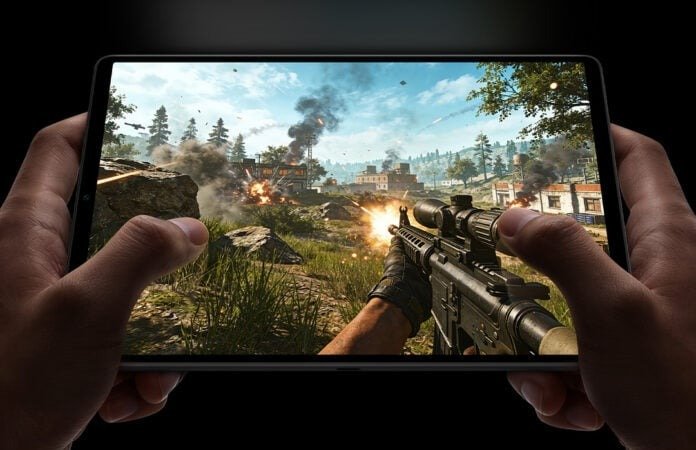
Even though these figures may not seem very impressive, Lenovo claims that the difference becomes noticeable in dynamic competitive games. The Lenovo Legion Y700 (2026) is set to make its mark with its gaming-focused features, particularly its display. At CES 2026, Lenovo highlighted the 3K resolution and the 165 Hz refresh rate as key elements tailored for a seamless gaming experience. According to a Lenovo representative,
Our aim was to create a more engaging and responsive environment for gamers where every fraction of a second counts.
Dynamic shooters or MOBA games with fast camera movements, aiming, and map traversal can reveal the limitations of a low screen refresh rate. With low refresh rates, these actions may cause slight visual jitters or instability, potentially confusing aiming or timing. Lenovo asserts that the main advantage of a 165 Hz refresh rate is the reduction of image flicker, making movements smoother and more stable during critical moments.
In addition to image smoothness, Lenovo claims that the 165 Hz refresh rate helps address image retention and system latency issues – two common problems in competitive gaming. Faster refresh cycles mean moving objects appear crisper, making target tracking easier. Meanwhile, the higher refresh rate also reduces delay between screen touch and subsequent visual changes.
Meeting Gamer Demands
In recent gaming trends, especially in competitive titles like Fortnite and PUBG Mobile, there’s an increasing demand for devices that support high refresh rates. These rates are critical to gaining a slight edge in reaction times, visual clarity, and overall game fluidity. Players have reported smoother experiences and the ability to track fast-moving action better with 165 Hz displays compared to their 60 Hz and 90 Hz counterparts.
The Lenovo device is also compared alongside others such as the ASUS ROG Flow Z13 and the Samsung Galaxy Tab S9, showing a competitive edge in terms of refresh rate and latency handling.