
Chinese insider Digital Chat Station has revealed details about the Legion Y700 AI tablet, which is set to go on sale in March 2026. The 2026 model of the Legion Y700 will feature an 8.8-inch LCD display with a resolution of 3040 x 1904 pixels, a 16:10 aspect ratio, and a 165 Hz refresh rate. At the core of the tablet will be the Snapdragon 8 Elite Gen 5 single-chip system, as well as an enhanced cooling system with increased heat dissipation area.
Earlier reports indicated that the battery capacity could reach 9000 mA·h.
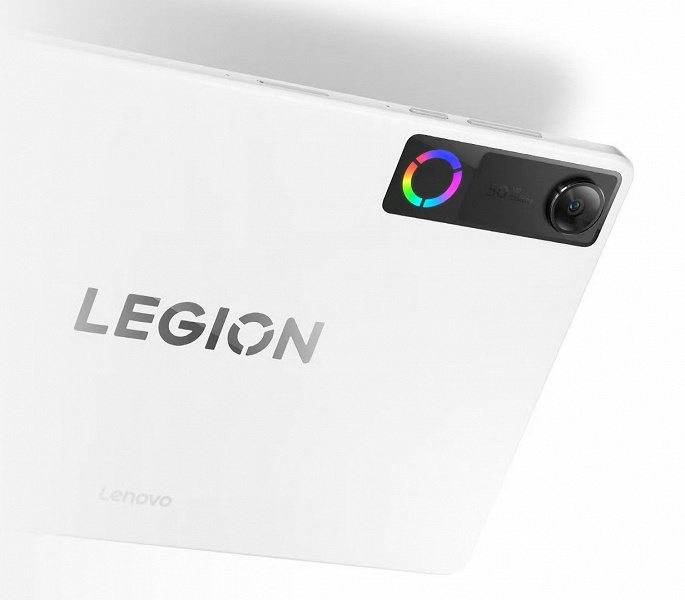
Buyers will be offered versions equipped with 12 GB of RAM and 256 GB of flash memory, as well as 16/512 GB and 24 GB/1 TB options. The package will include a 68W fast charging adapter. The tablet will weigh 360 g.
Previously, Digital Chat Station was the first to accurately report the specifications of the Xiaomi 15 and Xiaomi 15 Pro, as well as the Realme GT 7 Pro with its bright Samsung display, and the early release of the Dimensity 9400 SoC before the Snapdragon 8 Elite.
Technological Advances and Expectations
The Snapdragon 8 Elite Gen 5 chipset marks a significant step forward in mobile processing power, promising higher benchmark scores and improved energy efficiency. This positions the Y700 as a strong contender in the premium tablet market, especially with its competitive performance metrics.
Furthermore, Lenovo’s focus on an advanced cooling system aligns with recent trends where enhanced thermal management in devices leads to better overall performance and longevity. As tablets increasingly take over roles traditionally held by laptops, the demand for powerful, yet cool devices is a testament to manufacturers addressing consumer needs.
There’s anticipation that the strong RAM and memory options will appeal to power users, providing ample space and speed for both work and gaming environments. This comprehensive feature package ensures that the tablet is well-suited for multitasking demands in modern usage scenarios.