




Just a week before the official Unpacked event for the Samsung Galaxy S26 series, scheduled for February 25, new Geekbench 6 performance results have surfaced online. The benchmarks for a prototype of the top-tier Galaxy S26 Ultra indicate that it has surpassed its primary competitor, the Apple iPhone 17 Pro Max, in both single-core and multi-core tests, signaling a significant shift in the flagship performance landscape.
A New Performance Benchmark
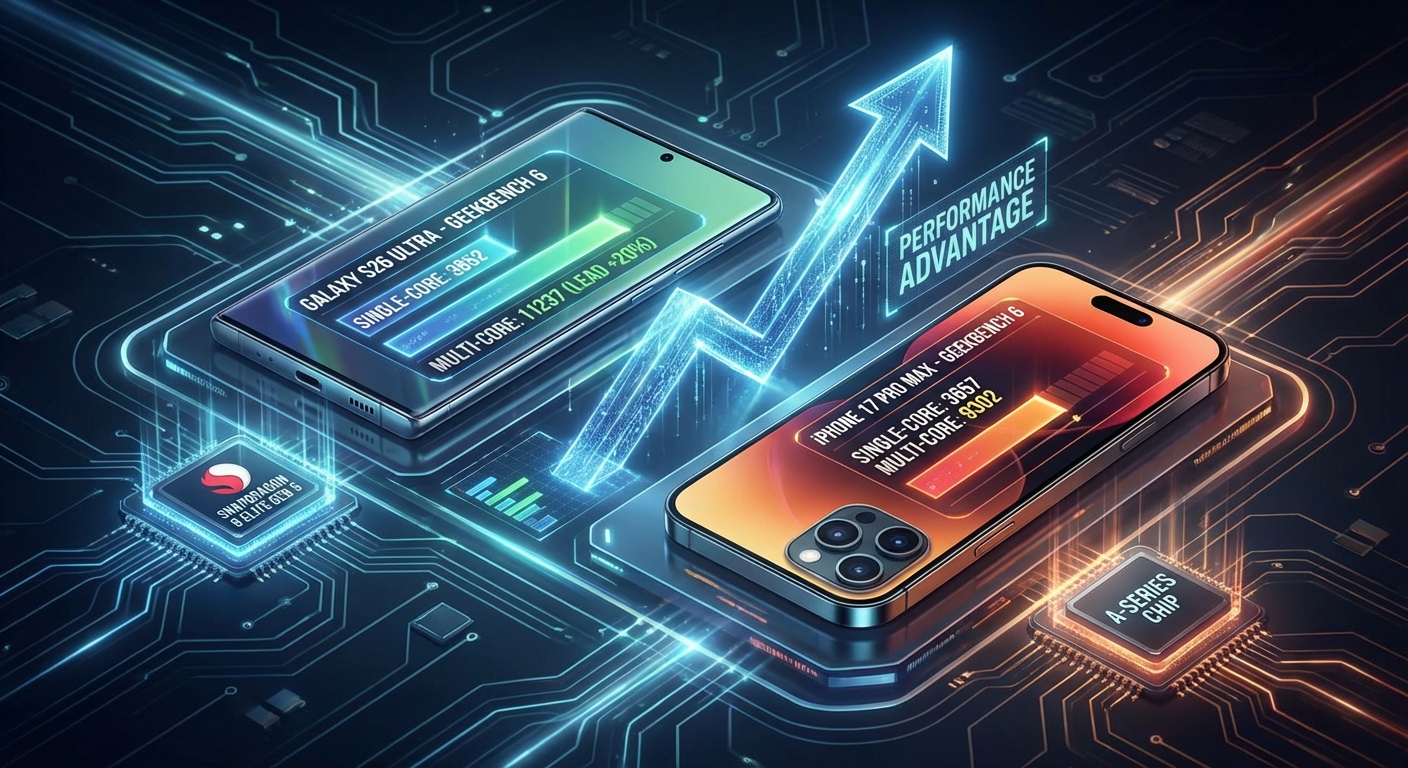
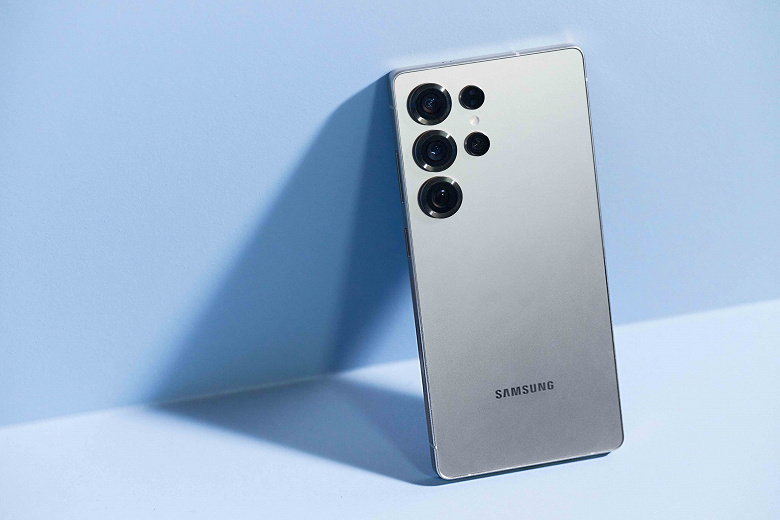
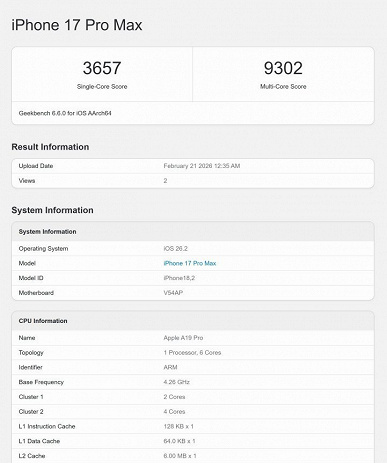
According to the leaked data, the Galaxy S26 Ultra achieved a single-core score of 3852 and a multi-core score of 11237. In comparison, the Apple iPhone 17 Pro Max posted scores of 3657 and 9302, respectively. While the single-core lead for Samsung is notable, the multi-core performance reveals a staggering 20% advantage for the Galaxy S26 Ultra. This represents one of the most significant performance gaps in favor of a Qualcomm-powered device in the history of this rivalry.
The Chipset Battle Heats Up
This impressive performance is attributed to the new Snapdragon 8 Elite Gen 5 system-on-chip (SoC) expected to power the Galaxy S26 Ultra. Leaks suggest that Samsung is once again utilizing a custom, slightly overclocked version of Qualcomm’s flagship processor, a strategy it has employed since the Galaxy S23 series. This “for Galaxy” variant reportedly features a higher maximum clock speed, which directly translates into an advantage in complex computing tasks. For years, Apple’s A-series Bionic chips have dominated single-core performance, which is crucial for everyday responsiveness. However, these latest results suggest Qualcomm has not only closed the gap but has taken a commanding lead in multi-core capabilities, essential for demanding applications like high-end gaming, video editing, and advanced AI-driven features.
Beyond the Numbers: Real-World Implications
While benchmarks provide a standardized measure of raw power, this leap in multi-core performance has tangible benefits for users. The 20% advantage could translate to smoother multitasking, faster processing of generative AI tasks directly on the device, and a more robust platform for next-generation mobile gaming. With features like on-device AI becoming central to the smartphone experience, a powerful multi-core processor is more critical than ever. The enhanced capabilities of the Snapdragon 8 Elite Gen 5 are expected to support advanced camera functions and provide sustained performance for demanding workloads, potentially supported by up to 16GB of RAM and an improved vapor chamber cooling system.
A Shifting Market and Future Outlook
This development comes at a crucial time in the smartphone market. After years of Samsung leading in global shipment volumes, recent reports indicate that Apple overtook its rival in 2025, driven by strong sales of the iPhone 17 series. A decisive performance victory for the Galaxy S26 Ultra could be a key part of Samsung’s strategy to reclaim the top spot. If these benchmark numbers are validated in final production units, it could pressure Apple to deliver a significant leap with its next-generation A-series chip. For consumers, this intensified competition is unequivocally good news, as it will continue to push the boundaries of what mobile devices can achieve, leading to more powerful and capable smartphones for everyone.