





Preliminary Findings on H3 Rocket Failure
The Japan Aerospace Exploration Agency (JAXA) on January 20 released preliminary findings from the investigation into the failed launch of the H3 rocket, which took place in December 2025. According to the agency, the most likely cause of the malfunction was damage to the satellite mounting assembly following the separation of the payload fairing. Simply put, the satellite detached from the rocket.
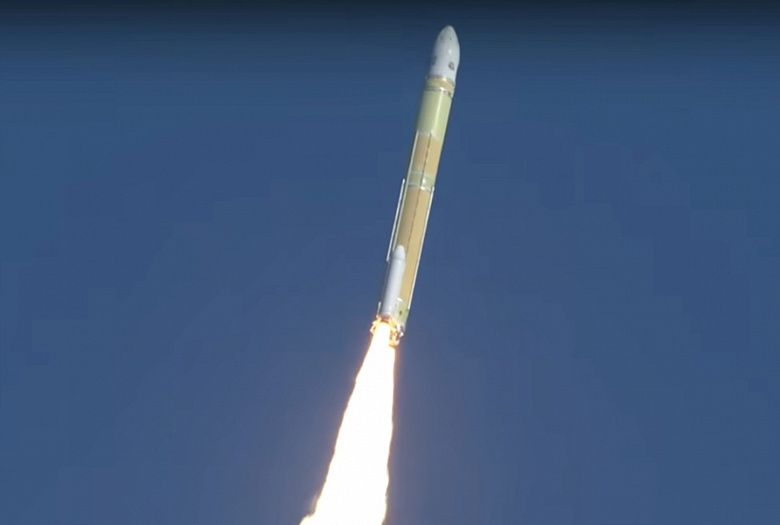
Based on telemetry analysis and available imagery, JAXA suggests that the satellite may have prematurely separated from the rocket during the staging between the first and second stages. Consequently, the spacecraft likely fell into an oceanic area where the rocket’s first stage was planned to splash down. The agency stressed that it continues to investigate the reasons for the connection damage between the satellite and the rocket after the fairing jettison.
Launch Details and Failed Mission
Final conclusions are expected after completing all technical checks. The launch of H3 No. 8 took place on December 22 at 10:51 Japan Standard Time from the Tanegashima Space Center in Kagoshima Prefecture. Onboard was the Michibiki-5 satellite, designed to expand Japan’s Quasi-Zenith Satellite System (QZSS). The Ministry of Education, Culture, Sports, Science and Technology of Japan had earlier officially confirmed that the launch was unsuccessful and the satellite did not reach its intended orbit.
JAXA officials estimate that the rocket’s second stage and its payload re-entered the atmosphere and fell back to Earth within approximately four hours of the launch. No damages on land were reported.
Looking Ahead: Redesign and Future Launches
In the aftermath of the failure, JAXA has been in discussions about potential redesigns and technical adjustments to prevent future dislodgement issues. A spokesperson emphasized the agency’s commitment to rigorously evaluate all components, including the satellite mounting mechanisms. Although an official redesign announcement is yet to be made, internal talks suggest a focus on reinforcing mounting assemblies and improving telemetry for real-time issue tracking.
Impact on Japan’s Satellite Navigation Goals
The failed deployment of Michibiki-5 has momentarily thwarted Japan’s plans to enhance the QZSS, a vital tool for GPS augmentation in the region. While setbacks in the timing of further expansions are anticipated, JAXA continues collaborating with government entities to assess and mitigate broader impacts on national satellite navigation ambitions.