




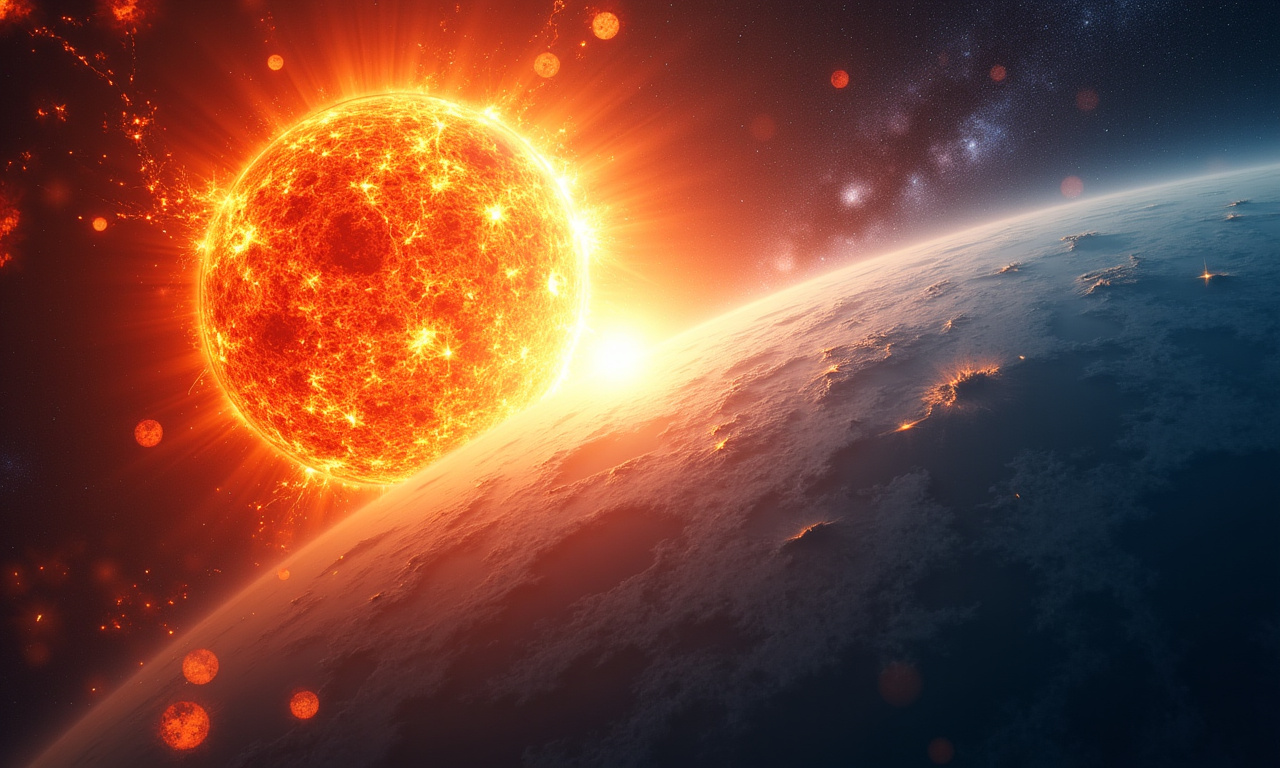

January saw the most geomagnetic storms since 2017, setting a new high for the 25th solar cycle and surpassing records since September 2017. Over 31 days, geomagnetic disturbances occurred 10 times, largely due to coronal holes on the Sun, directing solar wind towards Earth. The strongest storm, spanning January 19-21, was caused by a direct hit from a cloud of solar plasma after a major X1.9 class solar flare on January 18.
_large.jpg)
February began with an unexpected drop in geomagnetic activity, with only one storm in the first week, barely affected by recent major solar flares, some of the strongest in this century. Nonetheless, scientists warn that new coronal holes are already forming and could soon restore geomagnetic storm activity to “record” levels.
Recent studies highlight that increased geomagnetic activity could have lasting impacts on satellite communications, power grids, and navigation systems. Experts from NASA and the European Space Agency emphasize the need for robust technological safeguards to mitigate potential disruptions.