



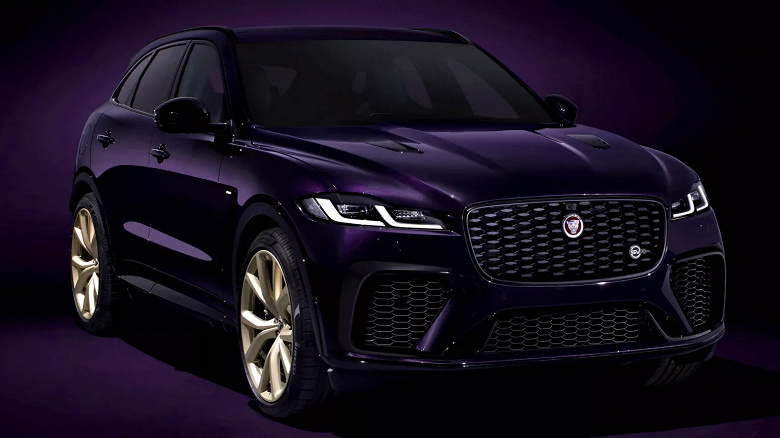
The era of gasoline Jaguars has officially ended: On December 19th, the last internal combustion engine vehicle-a black F-Pace SVR-rolled off the assembly line at Solihull. Notably, the event unfolded quietly, with no press release from the company. News of the production halt was reported by the Jaguar Enthusiasts’ Club, which attended the ceremony. This final model, painted black, pays homage to the last-produced E-Type, symbolizing the end of a grand era. The car has been added to the Jaguar Daimler Heritage Trust collection, where it will join legendary prototypes and racing cars of the brand.
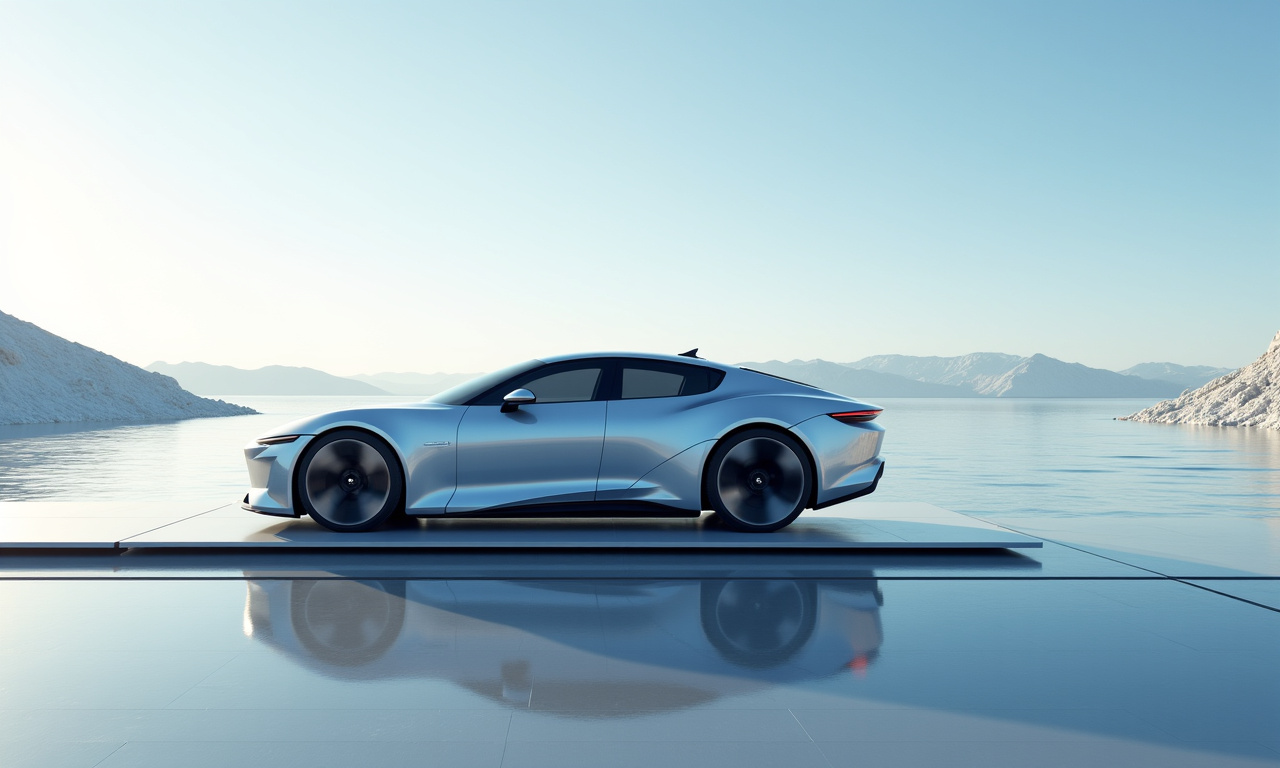
Now that the lines have stopped, Jaguar enters a “quiet period”: the company will not release any cars until the electric GT, inspired by the Type 00 concept, debuts. Initially planned for late 2025, its release has been postponed to 2026.
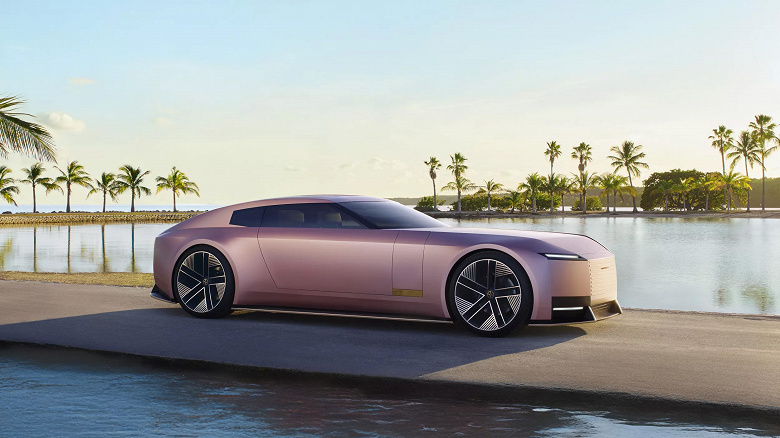
The new model is expected to have a six-figure price tag, a range of up to 430 miles, and a three-motor powertrain producing about 1,000 horsepower. If these statistics are confirmed, the electric car will become the most powerful road-going Jaguar in history. However, the Type 00’s design has sparked much debate, and a dip in electric vehicle demand introduces uncertainty to the GT’s commercial future, and similarly to Jaguar’s fate as a whole.
Recent reports confirm Jaguar’s investment in modernizing manufacturing for this shift, aligning with industry trends despite market disruptions. Experts see this strategic pivot as potentially revitalizing for the brand, although its timing amidst fluctuating energy prices and economic challenges may test Jaguar’s resilience.