
iRobot, primarily renowned for its Roomba robot vacuums, announced its transition to private ownership through a deal with investment firm Picea. Upon completion, iRobot shares will be delisted from stock exchanges, and the company will continue its operations away from public markets.
Financial troubles for iRobot became evident as early as spring. In March, the company warned investors that under current trends, it might not sustain itself for the next 12 months. Against this backdrop, stock prices, which were about $133 in 2021, fell to $1.40 by November. Pressure on the business increased in the third quarter: revenue was significantly below expectations due to ongoing production and logistics disruptions, forcing the company to spend its own funds more actively.
By the end of the quarter, iRobot had less than $25 million compared to $46.6 million at the end of June.
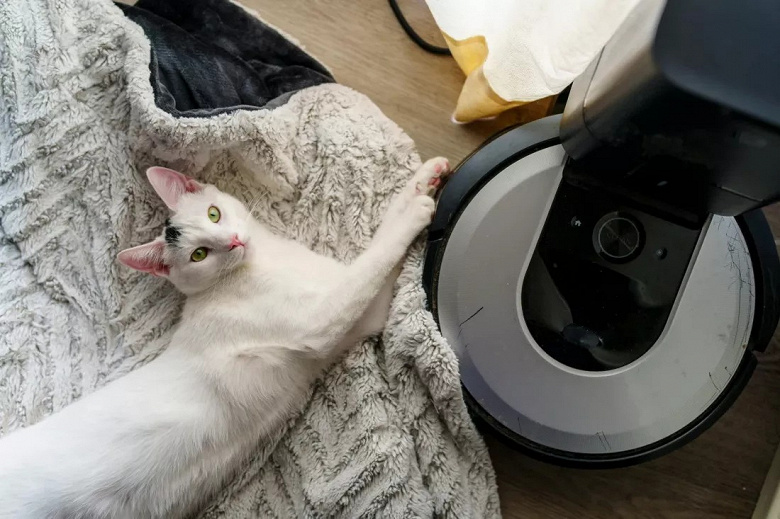
Despite the ownership change, the company emphasizes that its key products will not disappear. iRobot states that the deal with Picea will allow continued operational activities, development of new devices, and fulfillment of obligations to employees, suppliers, and creditors.
For current Roomba users, the company specifically notes the absence of ‘expected disruptions’ in the functioning of applications and support for already sold devices. iRobot was founded in 1990 by three robotics engineers who met at the Massachusetts Institute of Technology. The first Roomba robot vacuum hit the market in 2002 and effectively set a standard for the entire segment. However, over time, it became increasingly difficult for the company to compete with cheaper models from other manufacturers. Post-pandemic, the situation was exacerbated by disruptions in global supply chains.
In 2022, iRobot attempted to change its development trajectory through a deal with Amazon. The internet giant agreed to buy the company for $1.7 billion – with a premium of about 22% to the market stock price at that time. However, in January 2024, the agreement was terminated due to regulatory objections in the European Union. Following the collapse of the deal, iRobot received $94 million in compensation, but a significant portion of these funds went towards repaying a $200 million loan previously raised from Carlyle Group as interim financing until the Amazon deal closed.
In 2025, iRobot has focused on innovation to regain its competitive edge. They have introduced an upgraded Roomba model featuring advanced AI-driven navigation and cleaning capabilities, making them stand out even amidst growing market competition. These innovations are aimed at expanding their market share and satisfying the tech-savvy consumer base.