






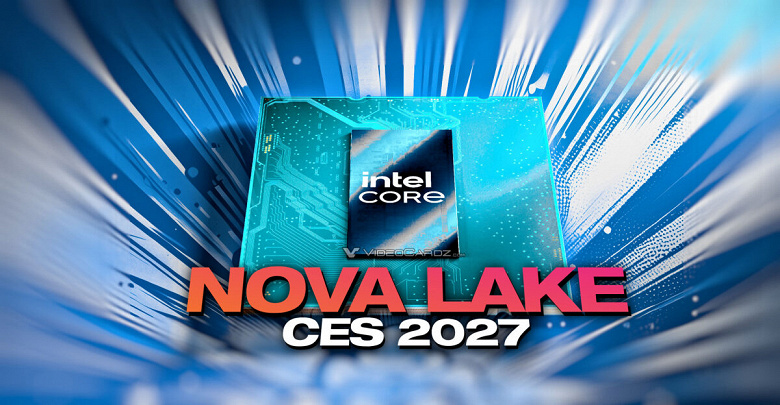
As expected, rumors are beginning to surface that 2026 will be a quiet year for new processor releases from either AMD or Intel. According to insider Golden Pig Upgrade, Intel’s Nova Lake processors will now only be released in 2027. [28] This follows recent reports that new AMD Ryzen CPUs will also be delayed, with an expected launch in the next year. [3, 5, 26]
Intel’s Nova Lake Targets CES 2027
Regarding Intel, the insider suggests an announcement at CES 2027, which seems logical, although it’s unclear when sales will actually begin. [4] This potential delay from a previously anticipated late 2026 launch aligns with a broader trend of revised product roadmaps affecting the consumer electronics industry. [4, 28] It is plausible that AMD will also choose the CES 2027 event to unveil its new products, setting the stage for a major showdown.
AMD Stays the Course with Zen 6
AMD is not expected to follow Intel’s rumored strategy of forgoing lower-end processors in its new Ryzen lineup. The upcoming generation is anticipated to include CPUs with core counts ranging from 6 to 24. [19] This indicates a continued focus on a wide range of users, from mainstream to high-end enthusiasts.

A Broader Industry Slowdown
According to leaks and rumors, many companies are reconsidering their plans due to what some call a “catastrophe in the memory market.” [11] This situation, driven by a massive demand for AI components that is straining the supply of DRAM and NAND, is causing significant price increases and shortages. [15, 16, 23] This ripple effect is believed to be impacting other major product launches. Sony is reportedly considering a 2028 or even 2029 release for the PlayStation 6. [1, 6, 10] Similarly, the new GeForce RTX 60 series graphics cards are not expected before late 2027 or 2028. [2, 12] It is logical that Intel and AMD would also shift their launches in response to these market conditions. [4, 5]
Looking Ahead: A Reshaped Market
These delays signal a lengthening of product cycles across the PC industry. For consumers, this means current-generation hardware will remain relevant for longer. For Intel and AMD, it provides more time to refine their next-generation architectures. The insider Golden Pig Upgrade has a history of sharing accurate leaks about Intel’s CPU performance and publishing internal slides, lending weight to these recent claims. [25, 29, 30]