




End of Life for Alder Lake and Sapphire Rapids
Intel officially transitions two significant processor lines to End of Life (EOL) status – the consumer Alder Lake (12th Gen Intel Core) and server Xeon Scalable of the Sapphire Rapids generation. 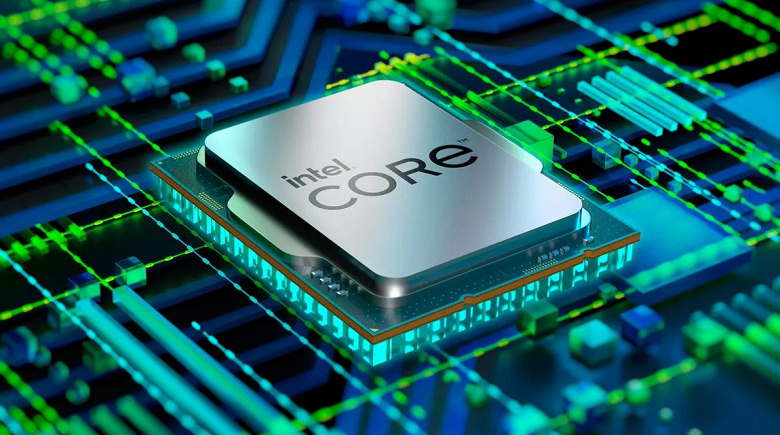 Image: Intel
The EOL status applies to the entire Alder Lake range, from budget-friendly Celerons to flagship Core i9s, covering both boxed and OEM versions. However, these CPUs will not vanish from the market immediately: orders are accepted until July 25, 2026, with the last shipments from Intel scheduled for January 22, 2027.
In contrast, new orders for the server-grade Sapphire Rapids halted as of September 26, 2025, with final shipments slated for March 31, 2028.
Comprehensive Phase-Out List
The complete list of phased-out Alder Lake products includes:
- Intel Celeron G6900
- Intel Pentium Gold G7400
- Intel Core i3 series: 12100T, 12100F, 12100, 12300T, 12300
- Intel Core i5 series: 12400T, 12400F, 12400, 12490F, 12500T, 12500, 12600T, 12600KF, 12600K, 12600
- Intel Core i7 series: 12700T, 12700F, 12700, 12700K
- Intel Core i9 series: 12900T, 12900F, 12900KF, 12900K, 12900
Alder Lake, launched four years ago, marked a turning point in Intel’s history as the first consumer CPUs to debut a hybrid architecture with both performance and power-efficient cores.
Transitioning Technologies
On the other hand, Xeon Scalable Sapphire Rapids was Intel’s first hybrid solution for data centers, albeit with a challenging market entry. Announced in 2019 with a planned launch in 2021, Sapphire Rapids only reached customers in 2023, by which time AMD had secured a sizable market share.
Impact on the Market
This phased-out status reflects the ongoing technological shift at Intel as it gears up for next-generation architectures. The transition period provides an opportunity for competitors, notably AMD, which has already garnered significant momentum in the industry despite delays faced by Intel’s offerings.
Looking Ahead
Expectations for Intel’s upcoming releases include further advancements in hybrid technology and possibly more competitive offerings that address the lessons learned from the Sapphire Rapids rollout. Industry analysts remain watchful for Intel’s next move, anticipating innovations that could redefine the market landscape once again.