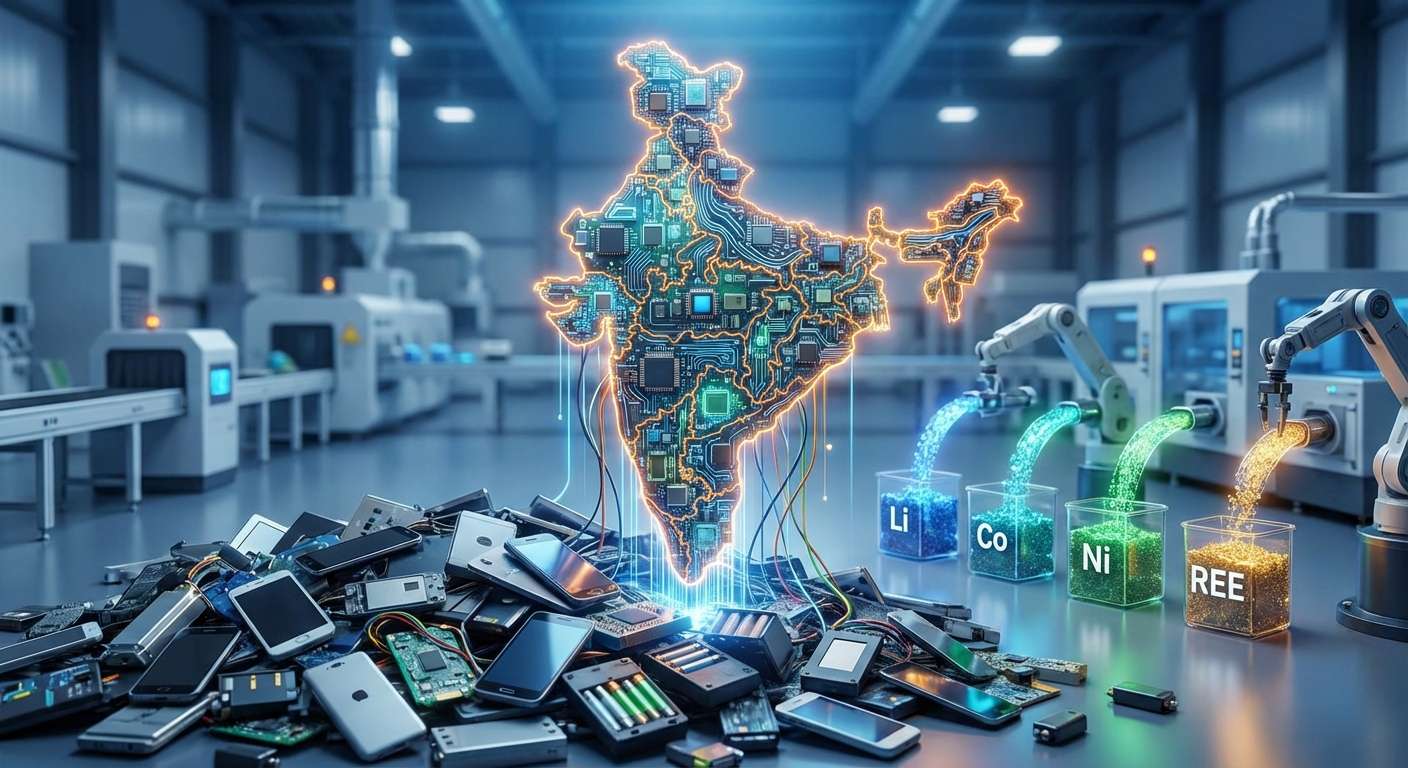

India is aggressively scaling its electronic waste (e-waste) recycling industry, transforming a significant environmental challenge into a strategic national asset. The goal is to secure a domestic supply of critical materials such as lithium, cobalt, nickel, and rare earth elements, which are vital for manufacturing batteries, smartphones, electric vehicles (EVs), and artificial intelligence hardware. This “urban mining” initiative is a cornerstone of India’s plan to reduce its heavy reliance on imports, particularly from China, and bolster its economic and geopolitical security.
The Scale of the Challenge and Opportunity
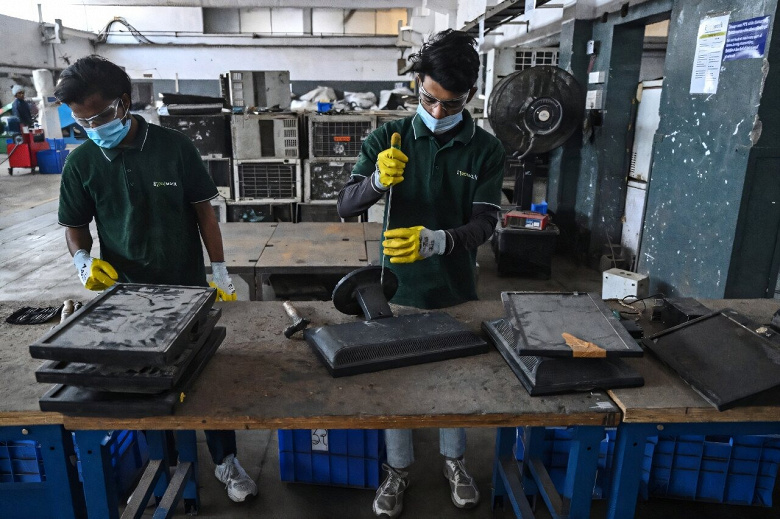
As the world’s third-largest producer of e-waste, India generates a staggering amount of discarded electronics, estimated at 3.8 million metric tons in fiscal year 2024. This volume presents both a crisis and a massive opportunity. Industry experts estimate that the economic potential from recovering valuable materials from this waste stream could be as high as $6 billion annually. These materials are not just valuable; they are essential for India’s ambitions to become a leader in green energy and high-tech manufacturing. However, a significant hurdle remains: historically, up to 90% of this waste has been managed by the informal sector. These small, unregulated workshops typically extract only low-hanging fruit like copper and aluminum, using hazardous methods that release toxic fumes and pollute the environment.
Government Intervention: The EPR Framework
To formalize the industry and unlock its potential, the Indian government has implemented robust E-Waste (Management) Rules, centered on the principle of Extended Producer Responsibility (EPR). Effective since April 2023, these regulations mandate that producers of electronic goods are responsible for the collection and environmentally sound recycling of their products at the end of their lifecycle. The framework requires producers to register on a central portal, meet escalating recycling targets (starting at 60% and rising to 80% by 2028), and purchase EPR certificates from authorized recyclers to verify compliance. This policy has been a catalyst, significantly shifting e-waste from the hazardous informal sector to organized, high-tech recycling facilities.
Pioneers in High-Tech Recycling
The government’s regulatory push has spurred investment and innovation in the formal recycling sector. Companies like Attero and Exigo Recycling are at the forefront, employing advanced hydrometallurgical processes and robotics to extract a wide array of valuable materials. Attero, a major player, can recover over 22 critical minerals and holds numerous global patents for its refining technologies, achieving recovery rates above 98% with 99.9% purity. The company recently announced significant investment plans to expand its capacity, including new e-waste and battery recycling plants across India. These facilities are capable of extracting not only lithium, cobalt, and nickel but also precious metals like platinum, palladium, and gold from old circuit boards, batteries, and hard drives.
A Look to the Future: From Waste to Wealth
While significant progress has been made, integrating the vast informal sector remains a critical challenge. Authorities and non-profit organizations are working to train and upskill these workers, aiming to integrate them into the formal supply chain safely and efficiently. The long-term vision is clear: to build a robust circular economy where discarded electronics become a reliable source of critical minerals. This strategy not only mitigates environmental damage but also reduces India’s import dependency, strengthens its manufacturing ecosystem, and positions the nation as a key player in the global technology supply chain. As India continues to invest in technology and enforce stricter regulations, its mountains of e-waste are increasingly being viewed not as a liability, but as a strategic reserve for the future.