


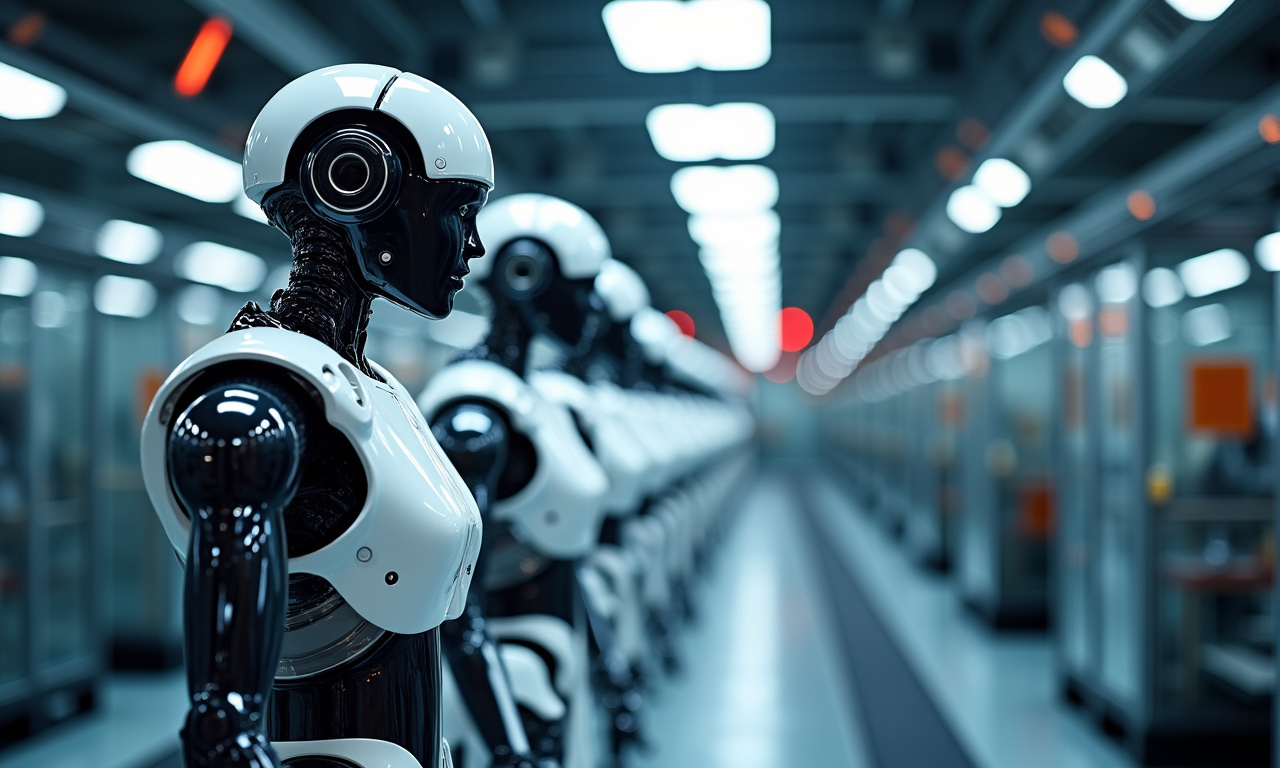

Hyundai Motor Group (HMG) today announced that it will present its comprehensive robotics and artificial intelligence strategy at the CES 2026 exhibition in Las Vegas. The media event, scheduled for January 5, 2026, promises to detail how the automotive giant plans to integrate “tens of thousands” of robots into its production ecosystem.

Perhaps most significant for industry observers will be the public debut of the fully electric Atlas robot. Although the new robot has already appeared in viral videos and tech reviews, it has yet to step out of the lab to meet the public. In November, Atlas’ head of product development, Alberto Rodriguez, remarked that the industry has largely been stuck at the “first stage”-the painstaking work of testing equipment reliability.
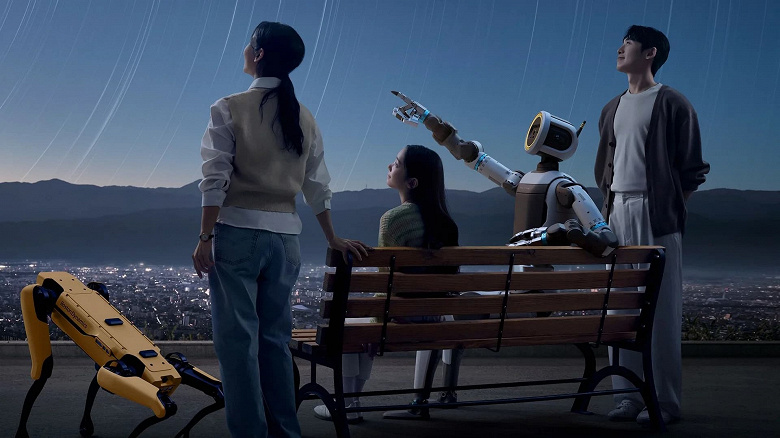
By introducing the robot in a real-world setting like CES, Hyundai plans to demonstrate Atlas’ readiness for the “second stage”: real-world deployment and pilot launch.
Anticipated Developments and Insights
With the advent of robots like Atlas, Hyundai is paving the way for a new era of automation that could dramatically change production efficiency and capabilities in the automotive industry. These fully electric robots are set to streamline operations, reduce human error, and enhance precision in manufacturing. Atlas, specifically, is expected to contribute to various complex tasks with high reliability and adaptability.
The launch at CES 2026 comes at a time when the integration of robotics and AI is witnessing unprecedented advancements. Hyundai’s efforts echo a broader industry shift towards embracing technological innovations that promise to redefine traditional manufacturing processes.
Industry Implications
The introduction of Atlas and similar robots is more than just a technological milestone-it’s set to have far-reaching consequences for workforce dynamics and production methodologies. As robots become integral to production lines, companies may experience a shift towards more skilled tech workforce requirements, emphasizing roles in robotics maintenance and AI management.
Hyundai’s strategy also aligns with the global trend of increasing automation in manufacturing, suggesting a future where collaboration between human workers and robots becomes the norm. This evolution might also lead to faster production cycles and improved product quality, highlighting a transformative shift in the global automotive industry.