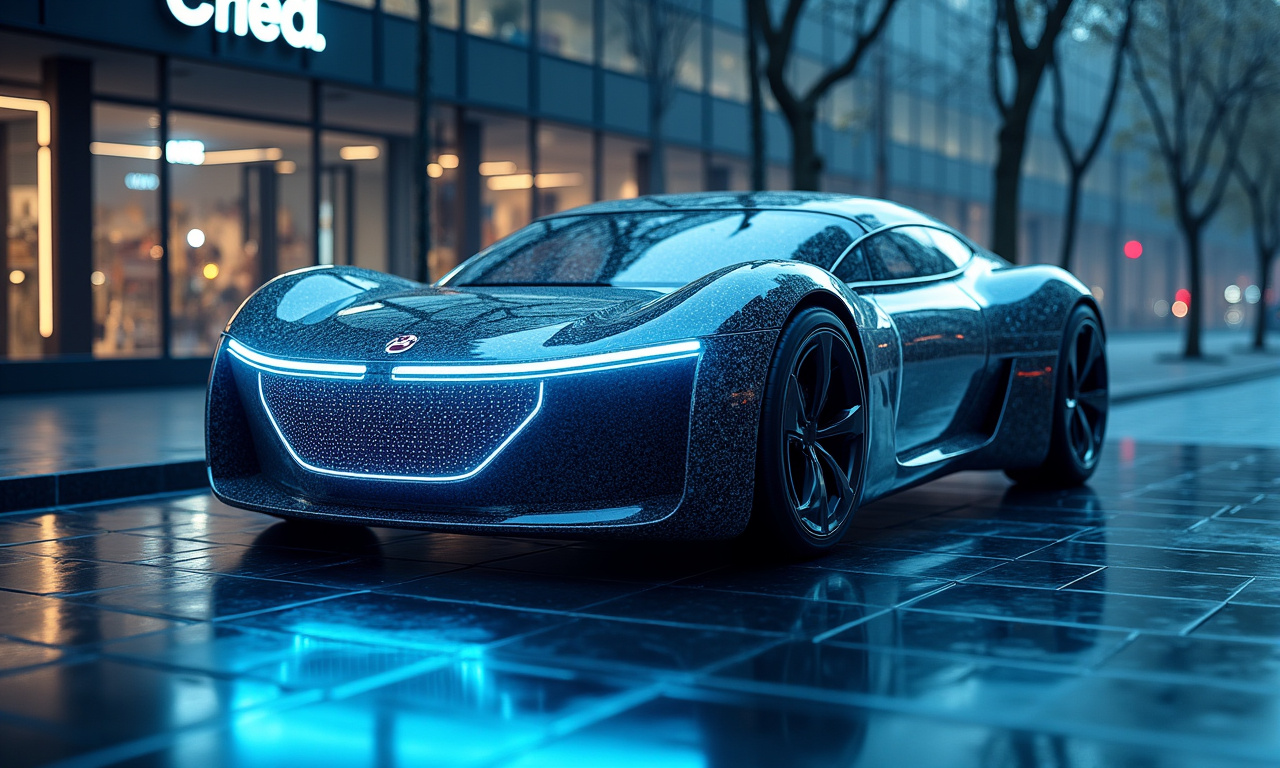


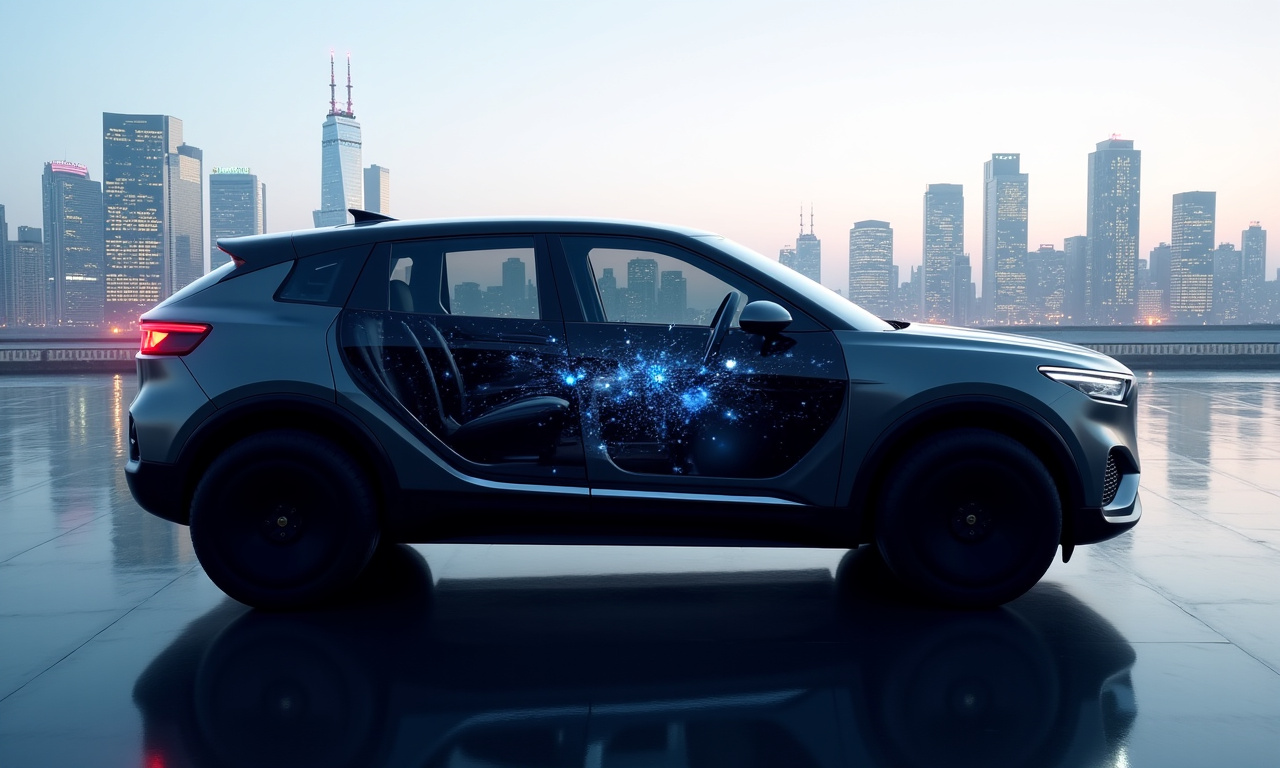

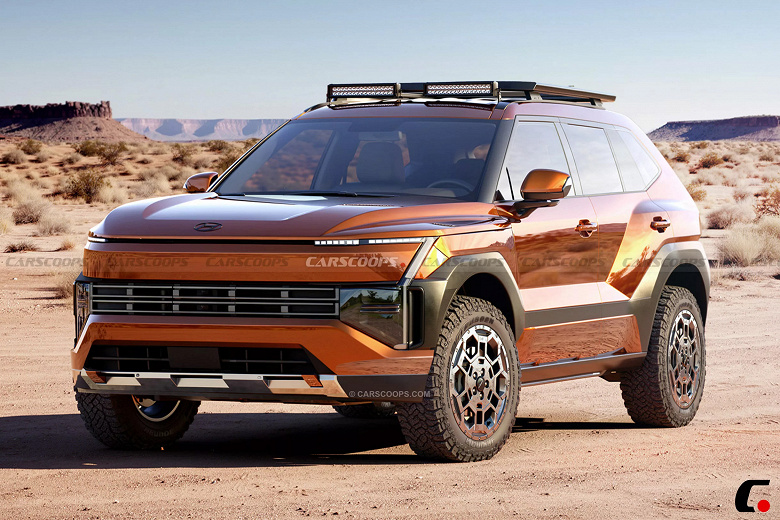
Hyundai is preparing a major update for its bestseller – the compact crossover Tucson (internal index NX5). The new model will radically change its image: as reported by Carscoops, the current Tucson will be replaced by a bold “square” crossover in the brand’s new Art of Steel styling. The design will echo the CRATER concept shown last year: the crossover will feature sharp, angular lines, pixel optics, a “shell” type hood, and contrasting front pillars in the Range Rover style.
Inside, the crossover will become more technologically advanced thanks to a new media system with Pleos Connect OS based on Android Automotive. The central place in the cabin will be occupied by a large vertical touch screen, and an integrated AI assistant will help manage navigation and settings. Developers plan to maintain a sensible balance between digital interfaces and physical buttons for driver convenience. Another important ergonomic change is the transfer of the transmission selector from the central tunnel to the steering column.
Under the hood, the 2027 Tucson will see no diesels; the focus will be on electrification – the lineup will consist of upgraded 2.0-liter hybrids and plug-in versions based on a 1.6-liter engine. The plug-in hybrid’s all-electric range is expected to be around 62 miles. In the future, a powerful “performance” modification under the N sub-brand is not excluded.
The official premiere of the new model is expected at the end of 2026, and sales on key markets will begin in early 2027.
Impact and Market Position
With these updates, Hyundai aims to secure a stronger foothold in the competitive compact SUV market. Reflecting the current trend towards electrification, the move to focus on hybrid and plug-in hybrid models could significantly enhance the Tucson’s appeal among environmentally-conscious consumers and those seeking fuel efficiency.
This refresh aligns with the broader industry shift towards more connected and intelligent vehicles, signaling Hyundai’s commitment to staying at the forefront of automotive technological advancements. As the SUV market continues to expand, the Tucson’s updated design and improved features are expected to resonate well with the evolving preferences of modern drivers.