

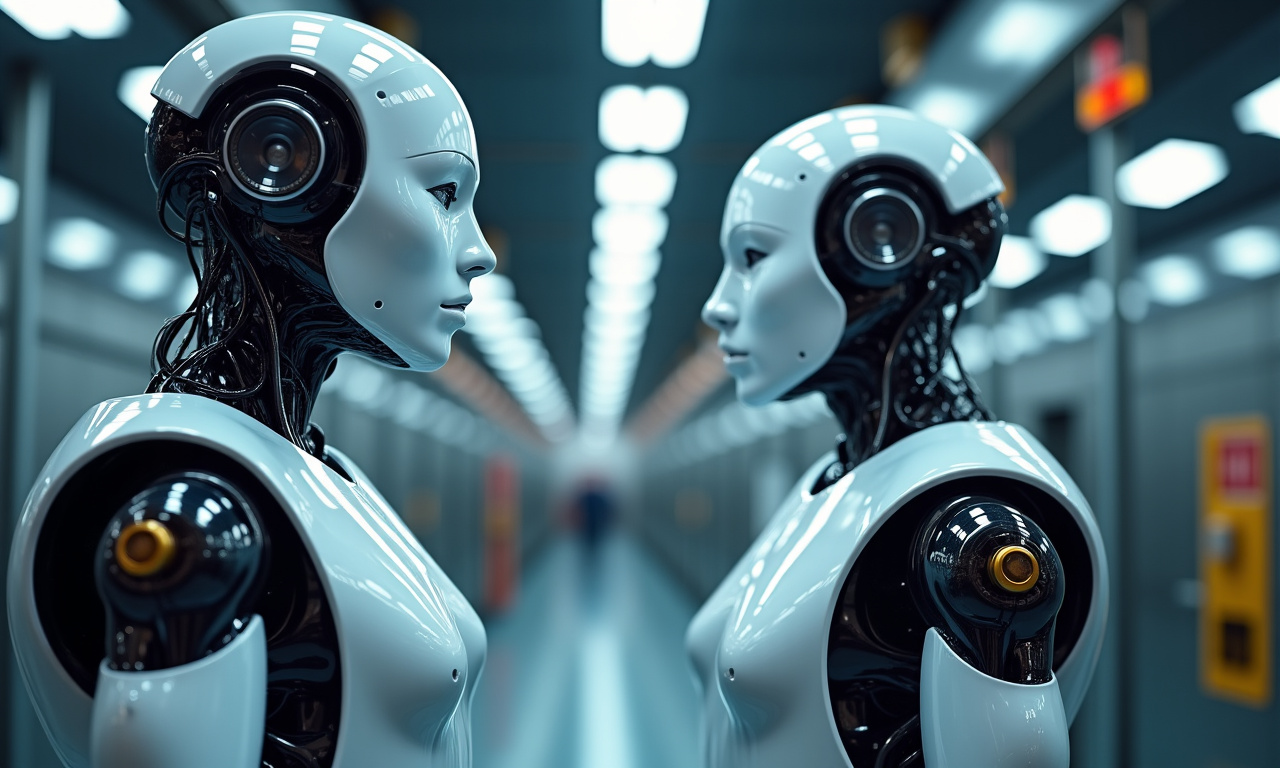

Hyundai Motor shares have surged explosively, rising by 72% since the start of 2026. The company’s market capitalization exceeded 100 trillion won ($73.6 billion) for the first time, making Hyundai Motor the third largest by market cap in South Korea. The excitement was sparked by the presentation of the new humanoid robot, Atlas, from its subsidiary, Boston Dynamics, at CES 2026.
Investors are betting that the implementation of physical artificial intelligence will drastically reduce costs. Calculations show a clear economic advantage: the robot costs about $136,000 with maintenance expenses of $9,500 per year and is capable of working almost around the clock. In comparison, a human worker costs a factory an average of $88,200 annually with shifts of 8–10 hours. Hyundai plans to launch up to 30,000 robots per year into production by 2028 and begin their implementation in factories in the USA.
However, the prospect of automation has already caused serious concern among labor unions in South Korea: they fear mass job losses and demand that the introduction of machines be coordinated with workers.
Technological Advancements Spurring Investor Interest
Boston Dynamics has hinted at future advancements in their robotic technology, which could further enhance productivity and adaptability, thus maintaining strong investor interest. Notably, Atlas is designed for integration into various industrial applications, offering a customizable option for businesses aiming to optimize efficiency.
Global Trends in Automation and Labor Markets
The global push towards automation reflects broader trends in labor markets where companies are seeking to balance labor costs with technological enhancements. South Korea’s response includes calls for balancing automation with workforce development to prevent unemployment crises.
Competition in Robotics at CES 2026
Other companies at CES 2026 have showcased competitive robotic offerings, pushing the envelope in innovation. These developments highlight a competitive arena where the winner will redefine the manufacturing sector’s future. The technological arms race is expected to accelerate further.