



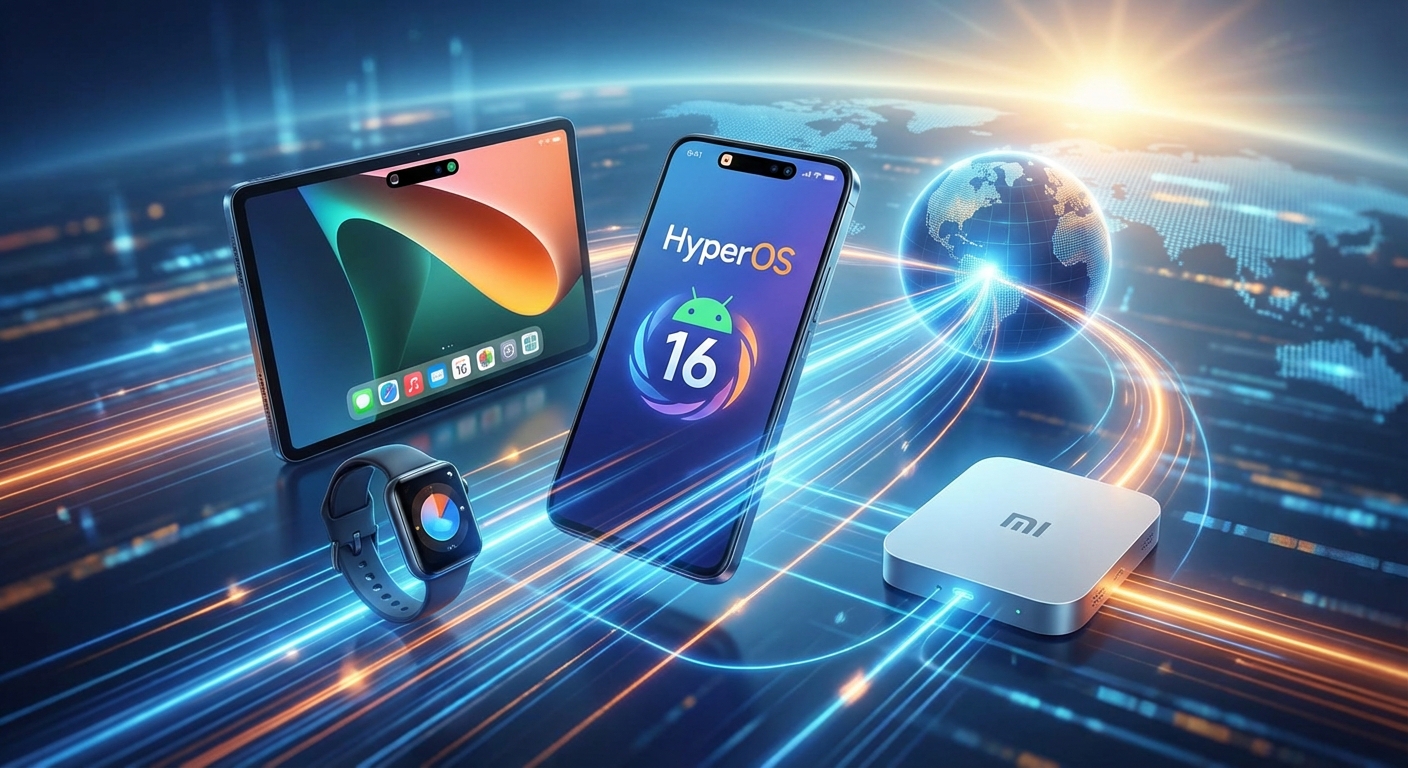
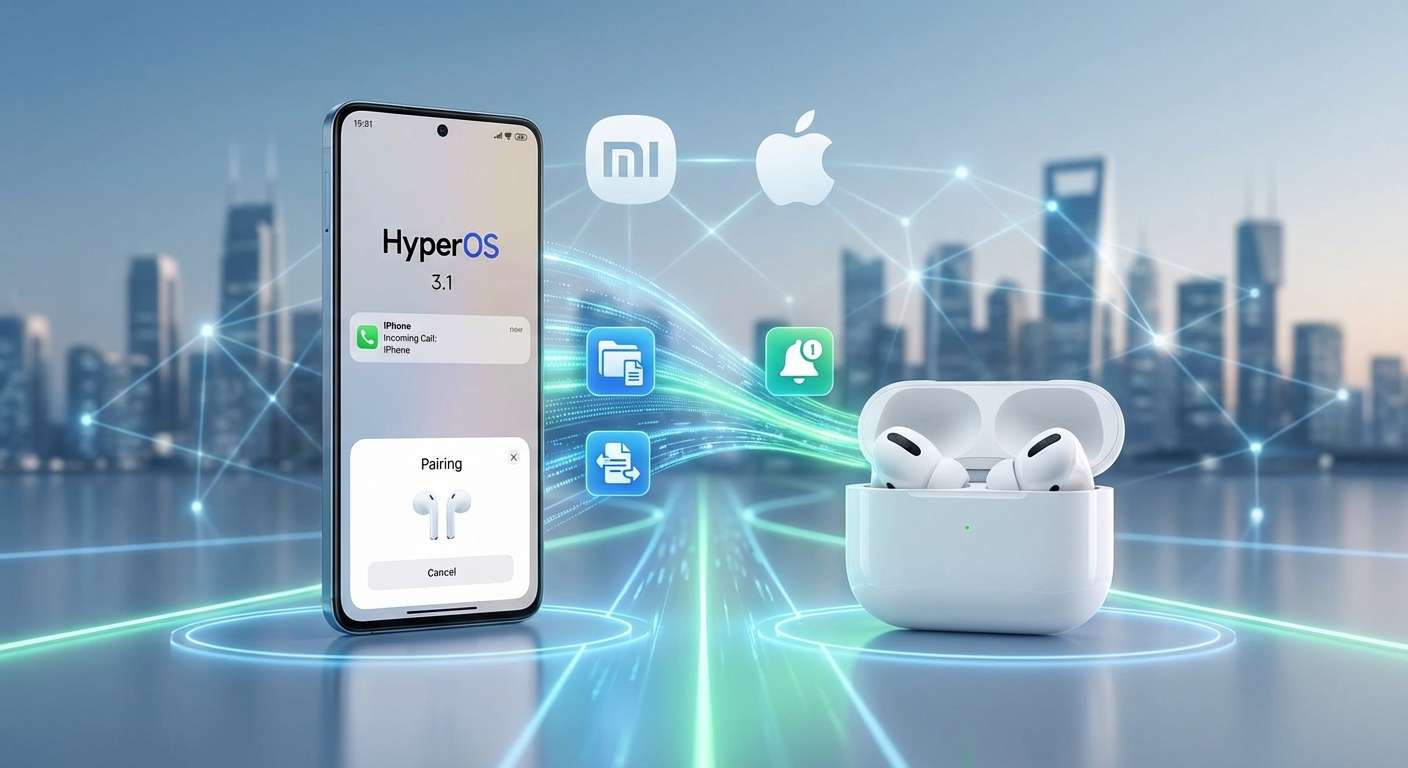

Xiaomi has officially released the beta versions of HyperOS 3.1 for a range of devices in China, with the global release anticipated in March 2026. The new system is built upon Android 16 and marks a significant strategic shift for the company. The official international presentation of HyperOS 3.1 is scheduled for February 28 in Barcelona, where it will be unveiled alongside the new Xiaomi 17 series. The most striking change in this generation of the operating system is its deep integration with the Apple ecosystem, a move designed to break down the traditional walls between the two platforms.
Key Innovations: HyperOS and iOS Working in Unison
The core of the HyperOS 3.1 update is a suite of features aimed at creating a seamless experience for users who operate in both Xiaomi and Apple environments. This follows a broader strategy from Xiaomi, which has been progressively enhancing cross-platform capabilities in previous HyperOS versions.
Seamless Notification Sync
One of the primary features is the forwarding of iOS notifications. When an iPhone receives an incoming call or an important notification, this information will be directly displayed on your Xiaomi device. This functionality aims to eliminate the friction of switching between devices for essential alerts.
Full AirPods Compatibility
HyperOS 3.1 introduces native support for Apple’s AirPods. Xiaomi devices will now be able to recognize and support all AirPods products. Users simply need to open the earphone case, and the Xiaomi phone will display a pairing window, just like on an iPhone, intuitively showing the real-time battery level of the earphones.

Xiaomi’s AirDrop-like Protocol
Finally, Xiaomi has introduced an interoperability protocol similar to AirDrop. This allows for the transfer of files between iOS and Xiaomi devices without any loss of quality, addressing a long-standing pain point for users of both ecosystems.
A Strategic Shift: Why is Xiaomi Befriending Apple?
This move represents a significant strategic pivot for Xiaomi. Rather than focusing solely on strengthening its own walled garden, the company is building bridges to the world’s most valuable tech ecosystem. This strategy appears to target a growing demographic of users who own devices from multiple brands. By offering a level of integration previously unseen between a major Android OEM and Apple, Xiaomi is positioning its hardware as a more flexible and attractive option, particularly in markets with high iPhone penetration. This aligns with the company’s long-term vision of a connected “Human x Car x Home” ecosystem, where the smartphone acts as a central hub for all smart devices.
The Competitive Landscape
While other manufacturers have attempted to create cross-platform experiences, such as Samsung’s “Link to Windows” for PC integration or Google’s own “Nearby Share,” Xiaomi’s direct and deep integration with iOS hardware and protocols is a more aggressive step. It differentiates Xiaomi from competitors who are primarily focused on building self-contained ecosystems. This approach could pressure other Android manufacturers to improve their own interoperability solutions and may even influence how Apple perceives its ecosystem’s boundaries in the future.
A Glimpse into the Future: A New Era of Device Interaction
The launch of HyperOS 3.1 could herald a new era of device interoperability, blurring the rigid lines that have traditionally separated Android and iOS. For consumers, this means more freedom to choose hardware based on its merits, rather than being locked into a single ecosystem. In the long term, this could foster greater competition and innovation across the industry, pushing all players to create more open and user-friendly experiences. Xiaomi’s gamble is that in a more connected world, the platform that plays best with others will ultimately win.