






Huawei is pioneering a novel approach to front-facing cameras. According to new information released by Digital Chat Station on Weibo, the company is exploring the use of a square 1:1 sensor for selfie cameras in future smartphones. Unlike traditional rectangular sensors, a 1:1 aspect ratio sensor captures a more balanced image area, giving software more room to crop, reframe, or rotate shots without excessively removing parts of the image. This can be particularly useful for group selfies, video calls, and social media content, where changing orientation often leads to awkward framing or loss of detail.
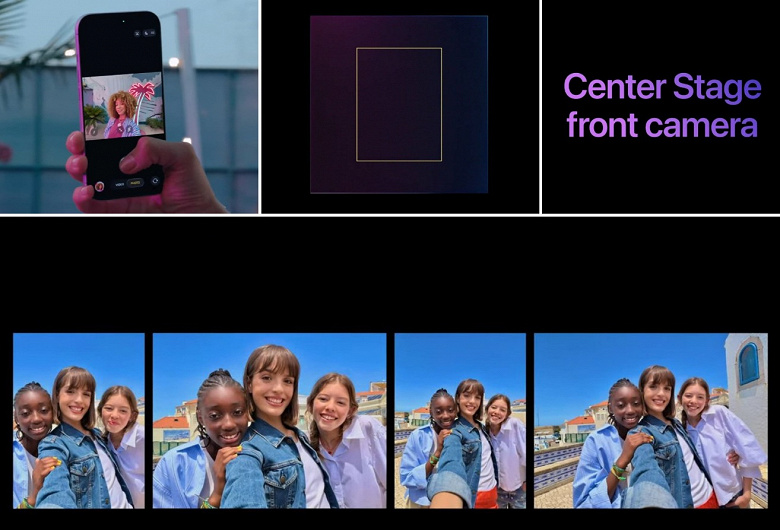
Apple has undertaken a comparable path with the iPhone 17 series, where the updated front-facing camera Center Stage features a square sensor to enable functions like automatic framing, seamless orientation changes, and object tracking during video calls. The hardware allows software to perform more tasks without requiring users to constantly adjust the phone’s position. In practice, iPhone 17 owners have also gained a new function during video calls, where the camera tracks a person and their movements in the frame.
Industry experts suggest that the use of square sensors could represent a significant step forward in smartphone photography. The balanced aspect ratio not only enhances manual and automatic framing options but also supports advanced computational photography techniques. This means users might experience more professional-level photo capabilities directly from their smartphones.
Moving forward, Huawei’s innovative sensor technology could spark a broader adoption of square aspect ratios across the industry, as brands seek to offer more versatile and user-friendly photography experiences. As smartphone competition intensifies, such innovations could redefine user expectations and set new standards in camera performance and design.