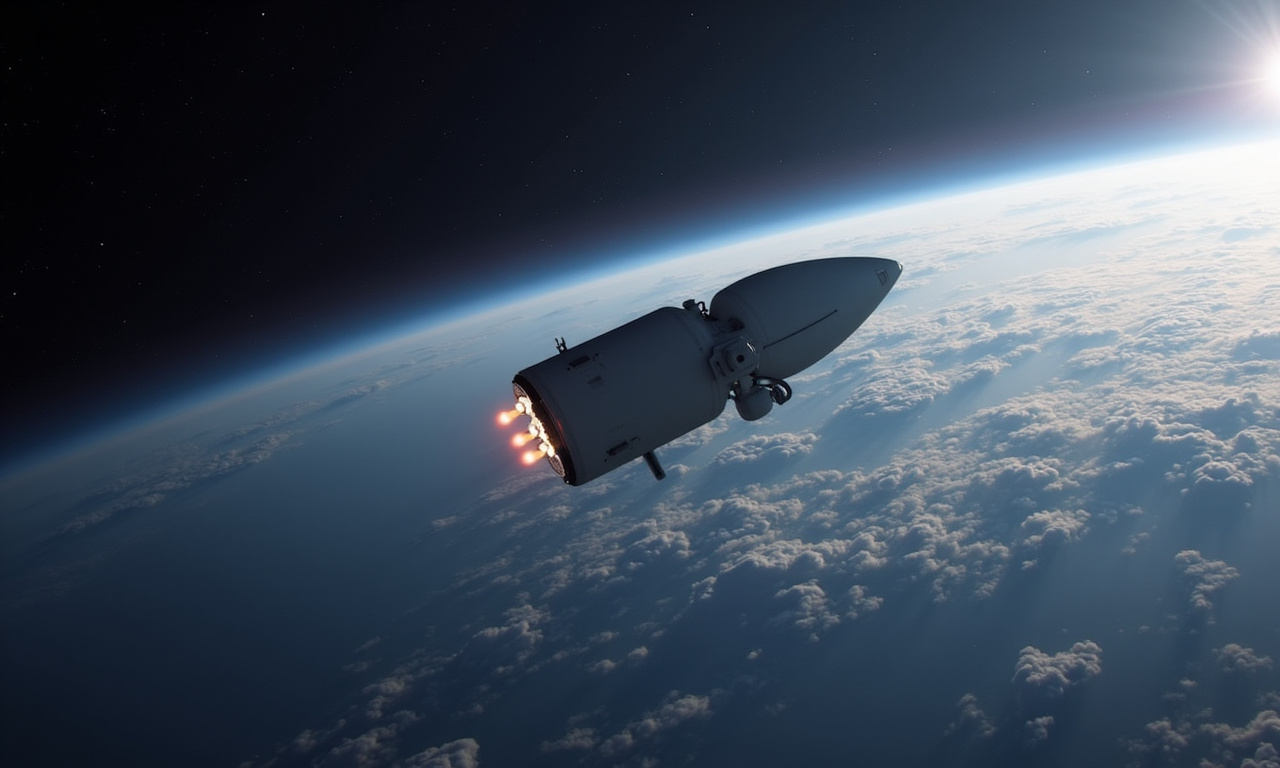


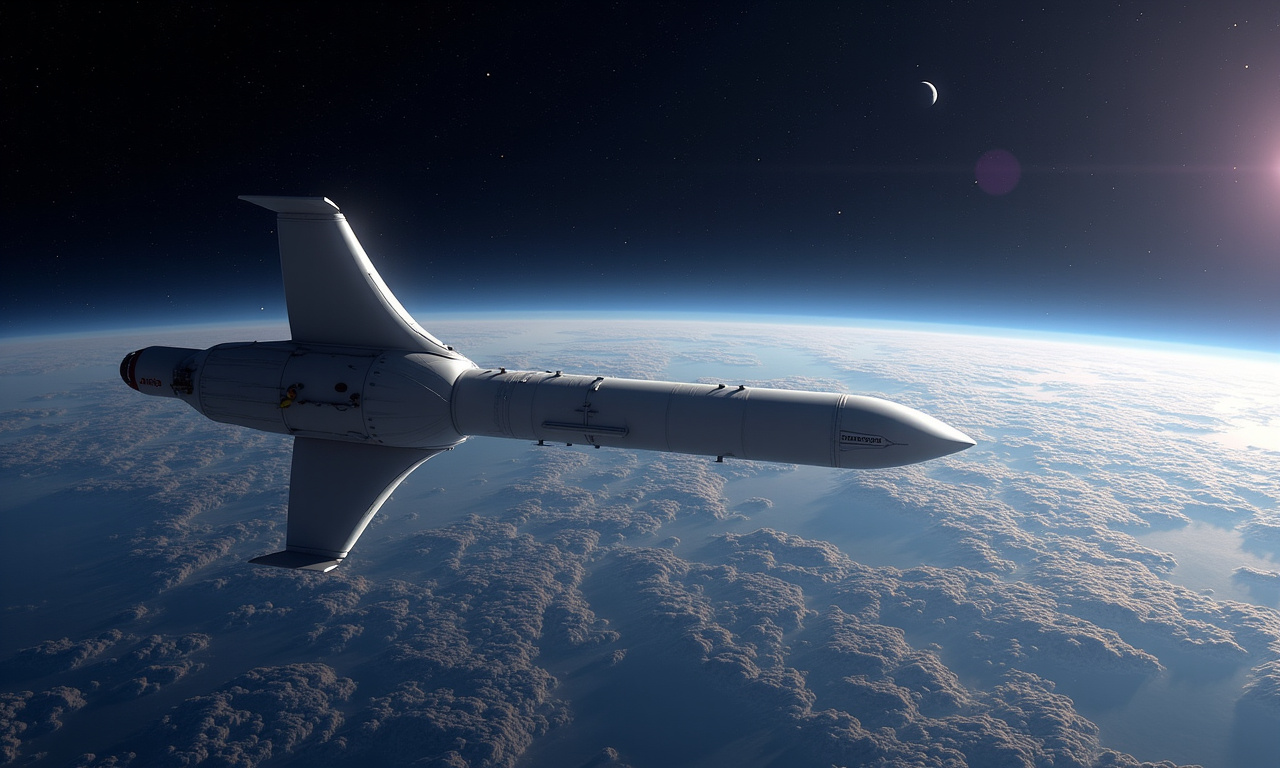

In June, Honda successfully launched and landed a prototype of a reusable rocket, measuring 6 meters, at their test site in Hokkaido, Japan. This event marks the first step in implementing the company’s ambitious space program, traditionally associated with cars, motorcycles, and other ground vehicles.
«Honda’s products have already spanned land, sea, and sky. So, it’s no surprise that space is the next area of opportunity,» explained Kazuo Sakurahara, head of Honda’s space strategy and former director of the Formula 1 racing team, on this logical evolution of the company.
Honda plans to use rockets for launching communication satellites essential for developing driver assistance systems and autonomous vehicle operations.

However, rockets are just part of Honda’s larger cosmic strategy. The company is developing an energy system to support sustainable activities in space, particularly for future lunar colonies. This system includes a vertical solar panel, developed in collaboration with the Japanese company Astrobotic. It will generate electricity during the two-week lunar day and use it for water electrolysis. The obtained oxygen will be used for breathing, while the hydrogen will power fuel cells during the two-week lunar night. Water is planned to be extracted from ice deposits at the Moon’s south pole.
Furthermore, Honda intends to use insights from the Asimo robot project to create human-controlled “avatars” for space work. These robots will be capable of performing tasks such as constructing modules, refueling, and repairing equipment. The control can be carried out from the Moon’s surface or from Earth through Honda satellites.
Recent developments indicate Honda’s space initiative could have a transformative impact on the space industry, potentially unlocking new pathways for technological applications in both civilian and scientific domains. These efforts are not only pivotal in redefining Honda’s role in the aerospace sector but also in pioneering cutting-edge energy solutions for extraterrestrial environments. Kazuo Sakurahara recently highlighted the significance of these projects in a statement, emphasizing Honda’s commitment to pioneering technological innovations that could extend beyond Earth.