

Chatbot Grok is once again accessible in Indonesia following the lifting of a ban imposed due to a scandal involving the creation of sexually explicit deepfakes. The country’s Ministry of Communication and Informatics issued a statement indicating that X (formerly Twitter) could resume offering services in Indonesia, but will be subject to monitoring for future violations. According to an Indonesian government agency, X provided a letter detailing the measures taken to prevent misuse of the Grok chatbot.
Alexander Sabar, the Director-General of the Ministry for Digital Space Supervision, stated that the agency will continuously verify the new measures and will block Grok again if illegal content dissemination or breaches of the country’s child-related laws are discovered.
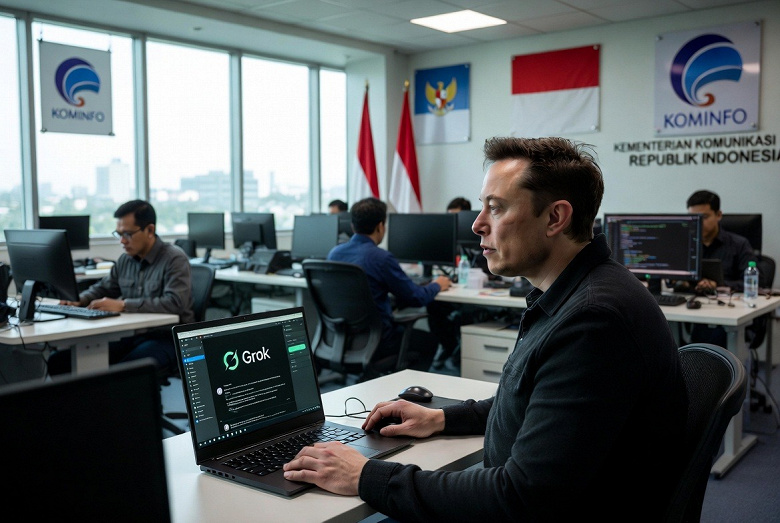
The issue arose earlier this year when Indonesia, alongside Malaysia and the Philippines, banned the chatbot after it was found creating deepfake images of women and children in response to user requests. Later that month, the Philippines lifted their ban on Grok, with Malaysia following suit a few days later. Like Indonesia, Malaysian authorities stated they would continue to monitor Grok and threatened further action if past violations were repeated.
Addressing Ethical Concerns in AI
In response to these regional challenges, Grok’s developers have reportedly implemented advanced moderation technologies to detect and prevent the creation of harmful content. AI ethics experts suggest that such measures are essential in an era where deepfake technology poses significant risks to privacy and security.
Industry Adaptations
Aside from bans, Grok also faces investigations by the California Attorney General and the UK media regulator on the same issue. Companies in the AI space, including Grok, are increasingly focusing on transparency and accountability to comply with evolving global regulations. By doing so, they aim to balance innovation with ethical considerations, striving to rebuild trust among users.