
Musk’s Revolutionary AI Diagnostic Tool
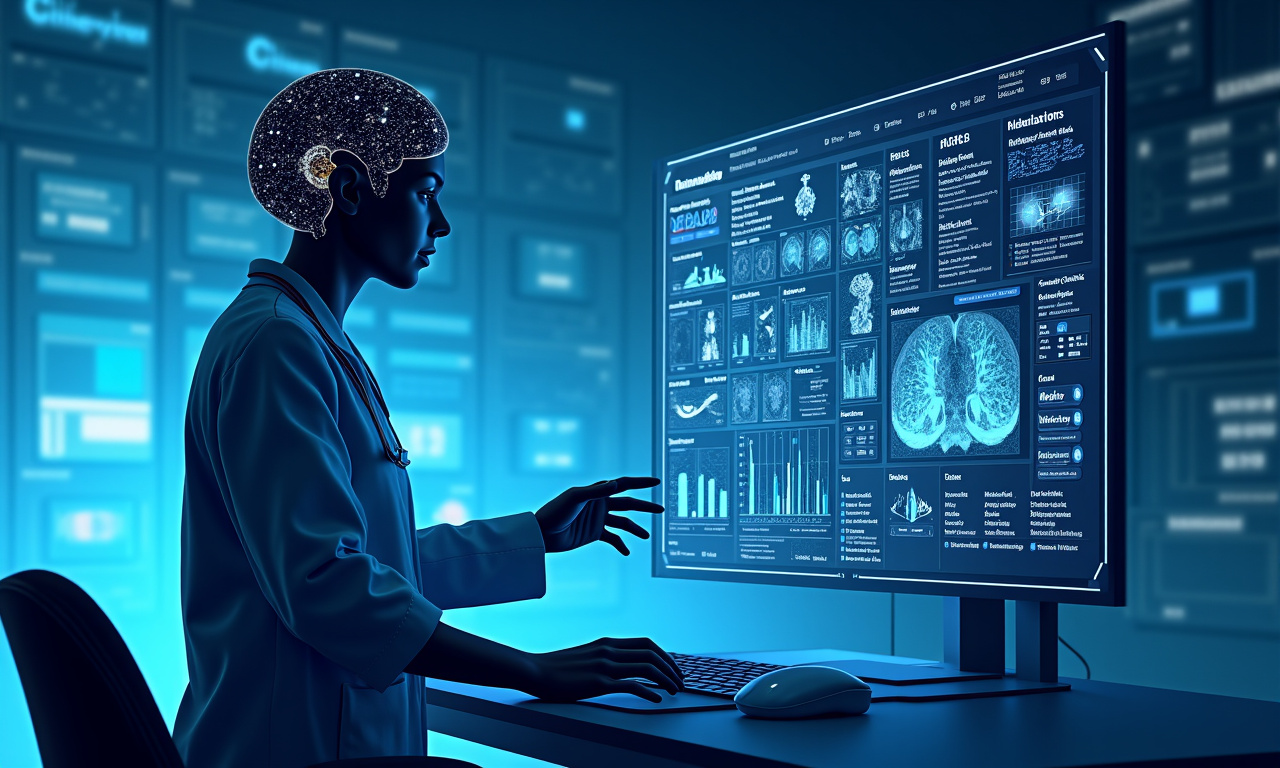
Elon Musk’s statement about Grok, an innovative AI diagnostic tool, has stirred the medical community with claims of its remarkable capabilities. Grok has reportedly achieved unprecedented levels of accuracy in interpreting blood tests, X-rays, and MRIs, sometimes surpassing even trained medical professionals.
“Grok can analyze medical images and lab results with precision comparable to experienced doctors, and in certain instances, it has proven to be even more accurate,” Musk stated confidently.
According to Musk, users simply need to photograph their medical test results using their smartphones and upload these images to Grok. The AI system efficiently deciphers the data, identifies any anomalies, and provides users with insights that could be crucial for their health.
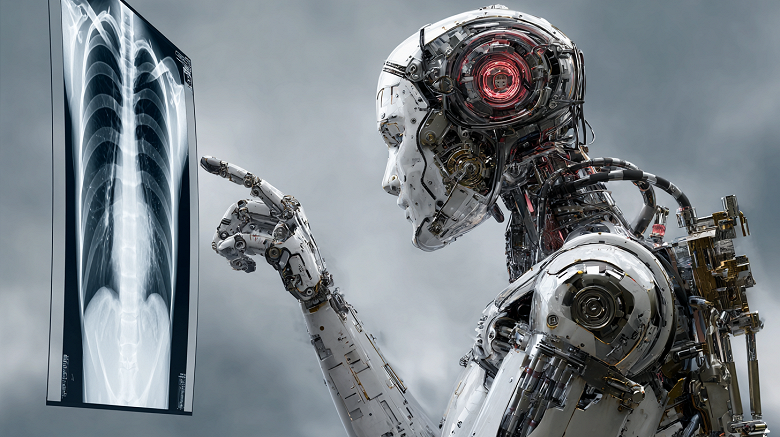
This seamless integration allows Grok to serve as a potential game-changer in diagnostics, offering real-time evaluations and interpretations. “It seems the platform hasn’t encountered any diagnostic errors yet. AI has significant potential in medicine: it can review every test, verify all data, and provide top-notch recommendations,” Musk noted, emphasizing AI’s role in advancing healthcare.
Users are currently able to upload not only blood test images but also X-rays and MRI scans to receive direct diagnostic evaluations from Grok. According to Musk, in some cases, the AI’s diagnosis excels beyond human diagnosis, offering novel insights and enhancing the depth of medical analysis.
What’s Next for Grok?
Musk also hinted at the upcoming release of Grok 5, anticipated in the first quarter of this year. This new version is expected to integrate even more advanced AI capabilities, enhancing analytical accuracy and diagnostic speed, ensuring Grok remains a frontrunner in AI healthcare technology.
AI Diagnostics on the Rise in 2026
In 2026, AI diagnostic tools like Grok continue to evolve, raising the bar for healthcare standards worldwide. With algorithms that learn from vast datasets and refine their accuracy with each new case, these tools are set to revolutionize healthcare delivery.
The healthcare industry recognizes the potential of AI diagnostics in reducing workload for medical professionals and improving patient outcomes by offering more precise and early detection of conditions. Future developments could see these systems integrate into hospital infrastructures, allowing seamless cooperation between AI and human doctors to elevate patient care.