


Google has unveiled a new Android feature called Android Emergency Live Video, which allows Android smartphone users to share video from their device’s camera directly with emergency dispatchers. This function is intended for use in situations where describing what’s happening is challenging due to stress or danger, such as accidents, medical issues, or rapidly spreading fires.
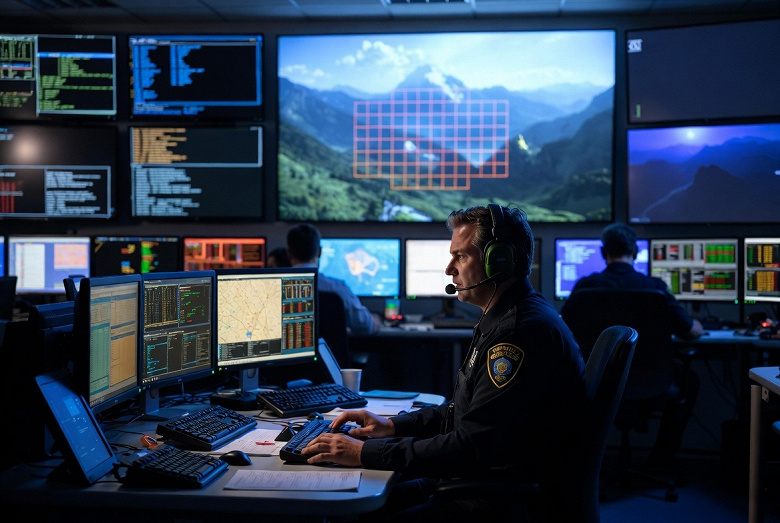
When making a call or sending a text message to emergency services, the dispatcher can request to receive video from the user’s device if they deem that visual assessment will be useful and safe. The video stream can facilitate faster understanding of the situation, guiding necessary assistance, and, if needed, providing first aid instructions, such as CPR.
Users will have to approve the video transmission request by pressing “Share” or “No, thanks.” Google notes that the data transmission is encrypted by default. The stream opens in ‘picture-in-picture’ mode. At any point, users can stop the broadcast, turn on the flashlight, or switch to the front camera.
The Emergency Live Video feature is available on Android 8+ devices with Google Play services in the USA, as well as certain regions in Germany and Mexico. Google is actively collaborating with public safety organizations worldwide to broaden this feature’s availability in other regions.
Potential Impact and Expansions
This feature could significantly impact emergency response by providing real-time visual information that can expedite decision-making and action. By the end of 2025, it’s projected that over 75% of global Android users will be on compatible devices, enhancing accessibility to this function.
In recent related developments, Google is reportedly working with multiple emergency services across Europe and North America to roll out this service more broadly. This collaboration is aimed at integrating more advanced, visual-based assessments into emergency response protocols, leveraging technology to save lives.
Reports also highlight past incidents where such real-time communication could have enhanced the outcomes, such as during sudden disasters or complex emergency scenarios.