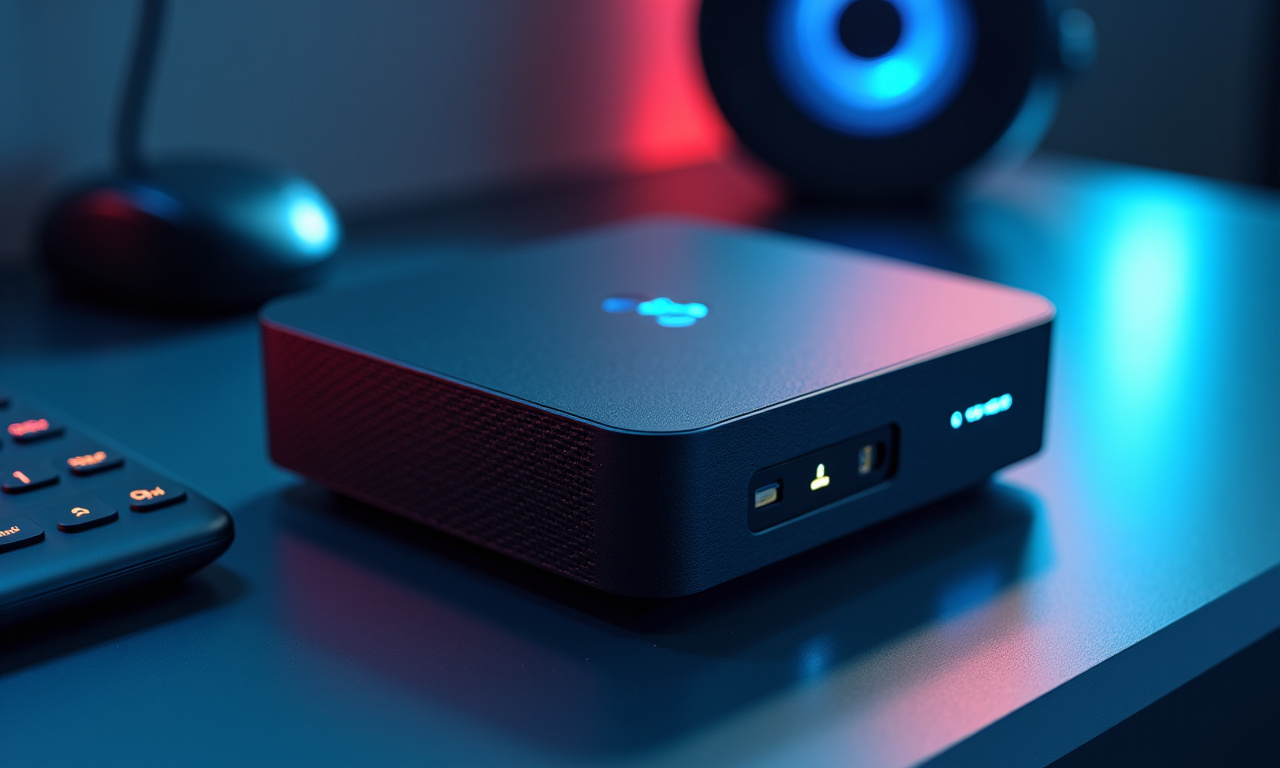

The company Gmktec has launched a new compact computer, the NucBox K15, built on the 12-core Intel Core Ultra 5 125U processor with a frequency of 4.3 GHz.
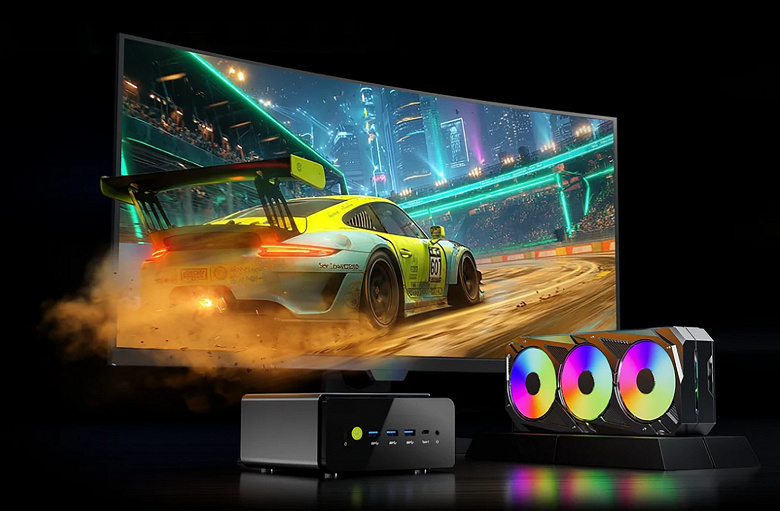
One of the main features of the NucBox K15 is its expansive upgradeability. The computer supports up to 96 GB of DDR5 RAM and is equipped with three M.2 PCIe 4.0 slots for SSDs, allowing for up to 24 TB of storage. Remarkably, the creators have included an OCuLink port, through which an external powerful graphics card can be connected, effectively turning the mini-PC into a gaming station.
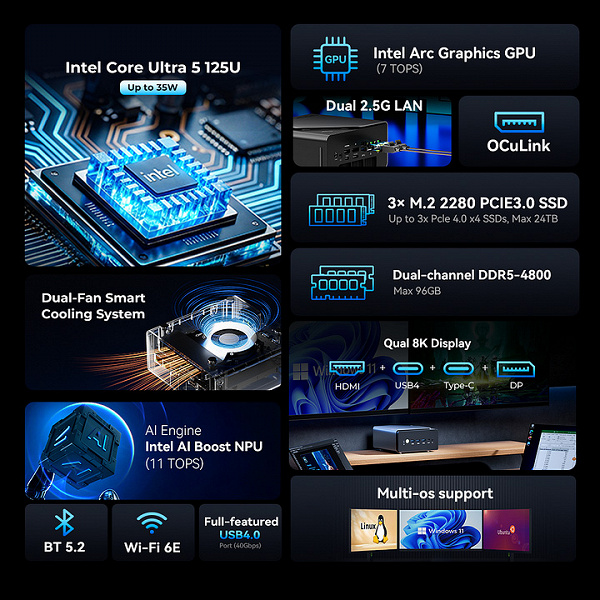
Among its interface ports are USB4 (40 Gb/s), HDMI 2.1, and two 2.5 Gb/s Ethernet ports. There’s also an adapter for Wi-Fi 6E and Bluetooth connectivity. The device is capable of simultaneously displaying images on four 4K monitors. Prices on the official website start at $360 for the version without memory and SSD, but there’s also an option with 32 GB of RAM and a 1TB SSD for $700.
Expanding Horizons
Recent advancements in mini-PC technology have made these devices more versatile than ever before. With the latest 12-core processors, such as the Intel Core Ultra 5, compact computers are closing the gap with traditional desktops. An expert from the industry noted, “The integration of features like OCuLink significantly democratizes gaming, offering high performance without the bulk of standard PCs.” This capability marries the modern need for portability with gaming enthusiasts’ demand for power.
Memory and Storage Revolution
The ability to support up to 96 GB of DDR5 RAM positions the NucBox K15 at the forefront of mini-PC tech. Many mini-PCs now provide multiple M.2 slots, responding to increasing storage needs. The availability of PCIe 4.0 enhances this system’s speed and efficiency, making it suitable even for data-intensive applications.
Market Impact
For professional sectors and gaming, this level of expandability in a mini-PC is groundbreaking. Businesses can leverage these compact machines for more than just basic tasks, potentially reducing hardware costs while maintaining high performance. As one analyst puts it, “The new generation of expandable mini-PCs challenges the notion of scale, offering small devices with capacities that rival much larger systems.” As technology advances, these devices will likely continue to bridge the gap, providing consumers with powerful yet space-saving options.