


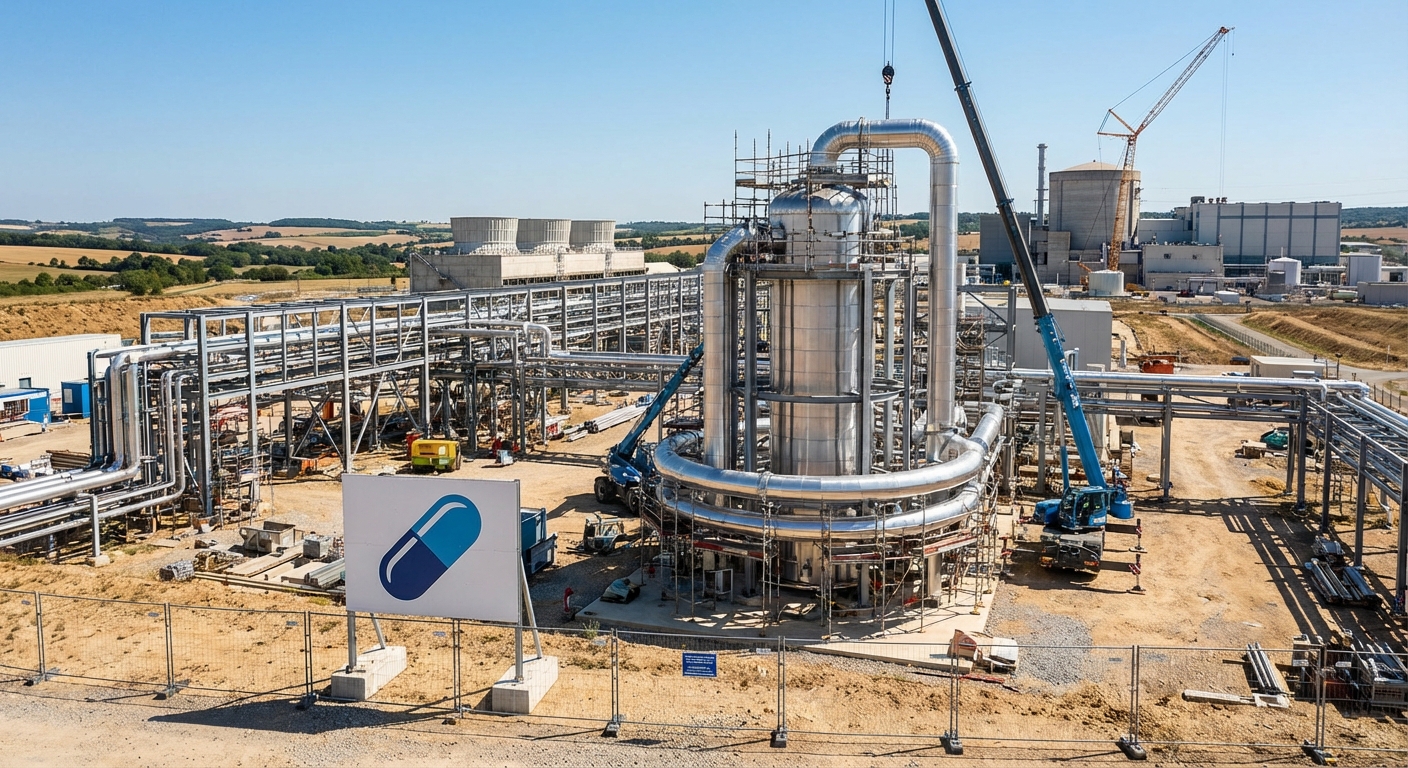

In a significant step towards decarbonizing heavy industry, France has commenced the construction of the unique ELISE sodium test facility in Peyrolles-en-Provence. The project is being carried out by the advanced reactor developer Blue Capsule Technology in collaboration with CSTI Group. This facility is a critical milestone in the development of a new generation of high-temperature Small Modular Reactors (SMRs) designed to provide carbon-free heat and power to energy-intensive sectors.
ELISE: A Proving Ground for a Hot Future
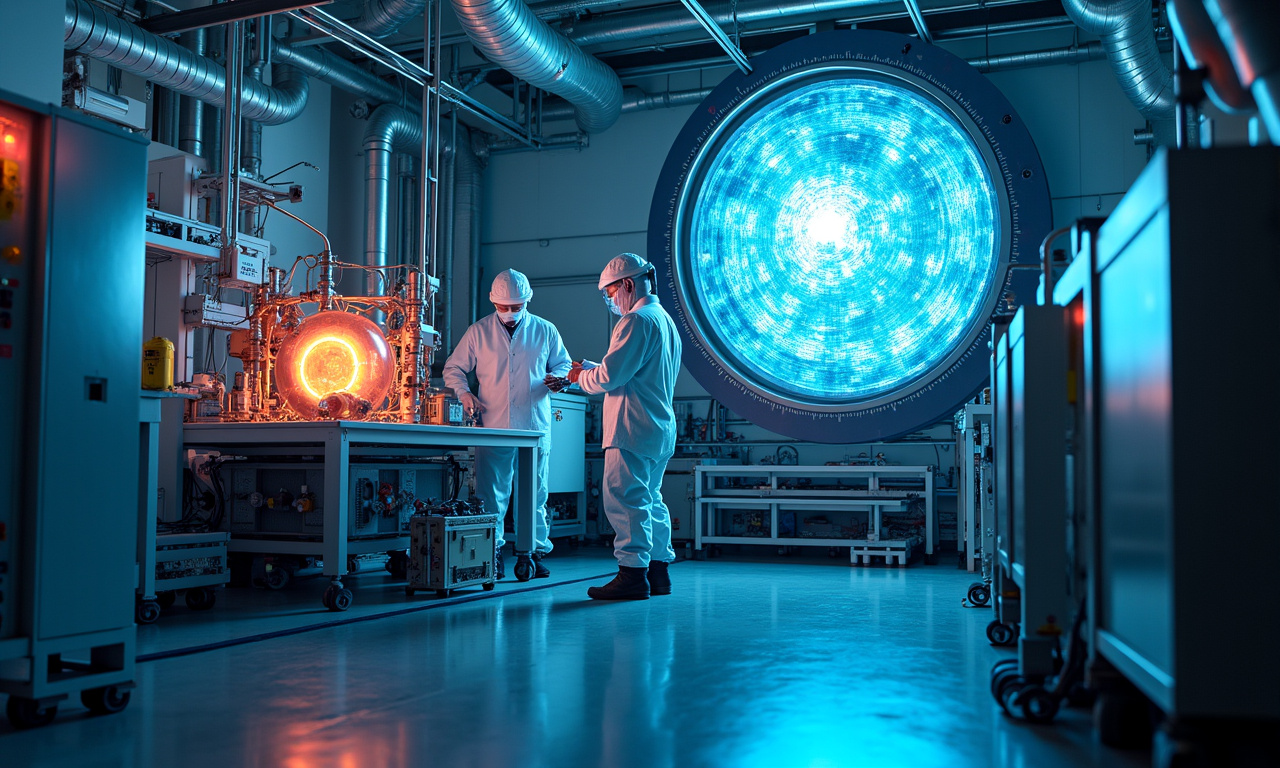
The ELISE (ELectric-heated Sodium loop for Industrial applications) installation is engineered to model the extreme conditions inside Blue Capsule’s future reactors. Standing nine meters tall, the loop will test the thermohydraulics and natural circulation of liquid sodium at temperatures reaching 750°C (1,382°F). The data gathered over its multi-year operation will be crucial for validating the design and safety of sodium-cooled reactors. Edouard Hourcade, President of Blue Capsule, emphasized that the facility, a first of its kind in France, will be an open platform available to other institutional and commercial players in the nuclear sector.
The Blue Capsule SMR: Powering Heavy Industry
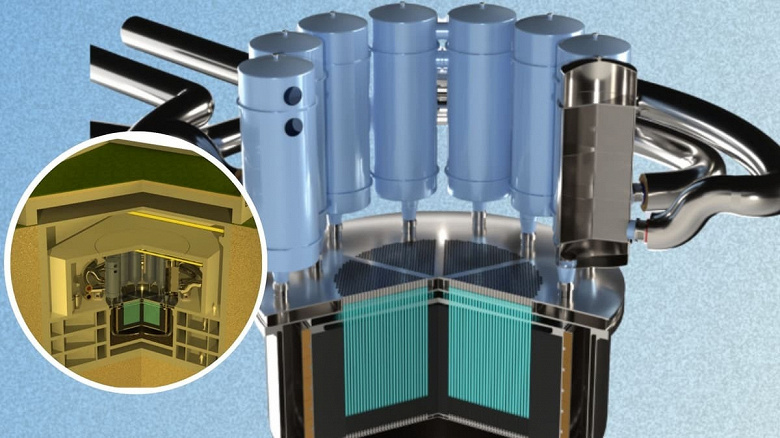
Blue Capsule, a spin-off from France’s Alternative Energies & Atomic Energy Commission (CEA), is developing a sodium-cooled SMR specifically for industrial applications. The reactor is designed to provide 150 MW of thermal heat at 700°C (1292°F), steam up to 650°C (1202°F), and 50 MW of electricity. This makes it an ideal solution for industries like cement, metallurgy, hydrogen production, and chemicals, which require consistent high-temperature heat that is difficult to produce without fossil fuels. For enhanced safety, the reactor will use TRISO (TRi-structural ISOtropic) particle fuel, often called the most robust nuclear fuel on Earth. Each tiny fuel particle has its own containment system, making it resistant to extreme temperatures and preventing the release of radioactive products.
A Strategic Move: Context and Competition
The ELISE project aligns with France’s broader strategy to reinforce its leadership in nuclear energy and achieve its decarbonization goals under the “France 2030” investment plan. The French nuclear safety authority (ASN) considers sodium-cooled fast reactors to be one of the more mature Generation IV technologies, with historical operational feedback from previous French reactors. Blue Capsule is part of a growing ecosystem of nuclear startups in France, which includes Hexana, another company developing a sodium-cooled reactor. The global SMR market is also expanding rapidly, with companies like GE Hitachi and X-energy developing advanced reactors for various applications.
A Roadmap to Decarbonization
ELISE is the first major step on Blue Capsule’s development roadmap. The company has already advanced to the second phase of its technical dialogue with French safety regulators, a key preparatory review. The firm plans to begin construction of a non-nuclear prototype in 2027-28, with the first-of-a-kind reactor scheduled for construction between 2029 and 2030. The goal is to begin commercial deployment in the early 2030s, targeting a competitive cost of $60 per MWh for industrial heat.
Future Outlook: What ELISE Means for the Industry
The launch of the ELISE construction marks a tangible advancement in the quest for next-generation nuclear energy. The facility will provide invaluable, real-world data to validate the safety and efficiency of high-temperature, sodium-cooled reactor technology. Its success could significantly accelerate the deployment of advanced SMRs across Europe, offering a reliable, carbon-free energy source to power the continent’s most challenging industrial sectors and support long-term energy independence.