



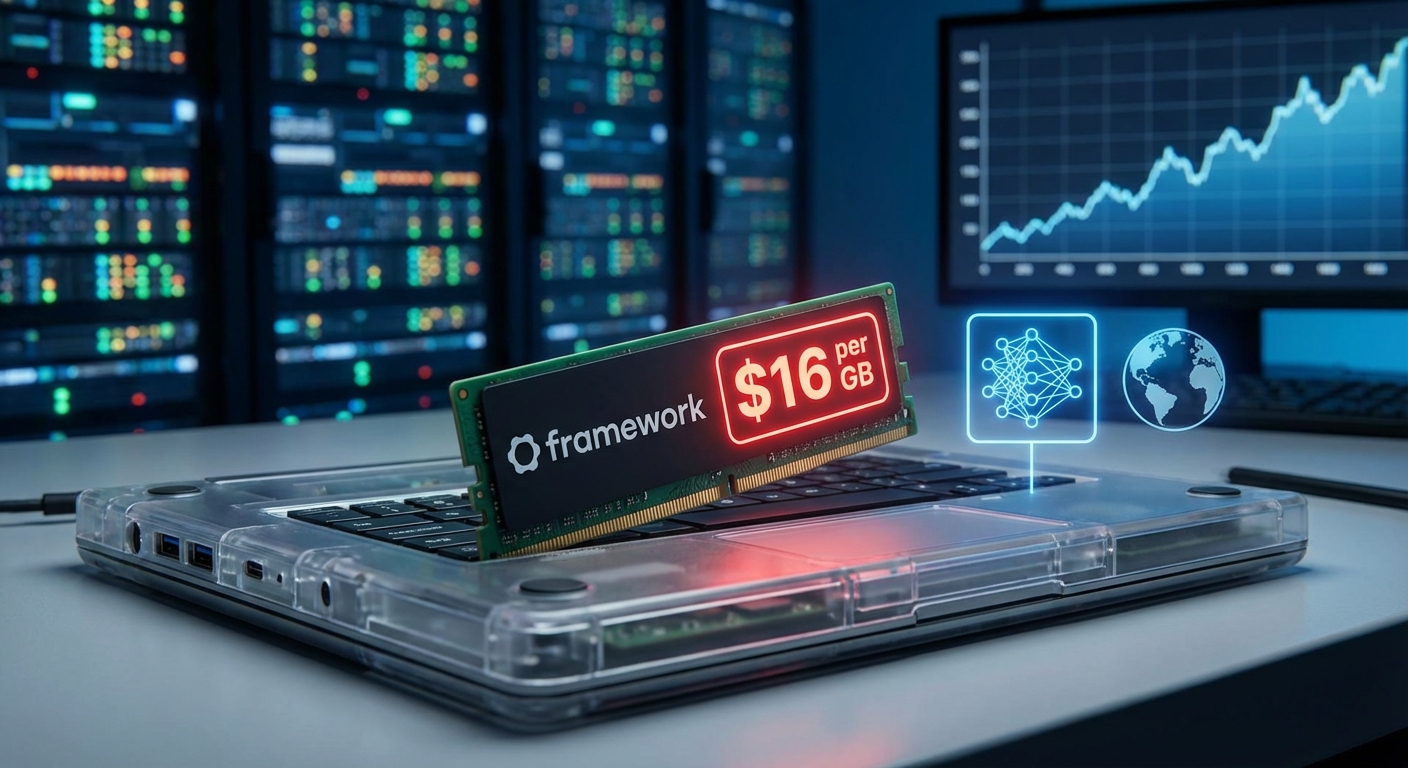

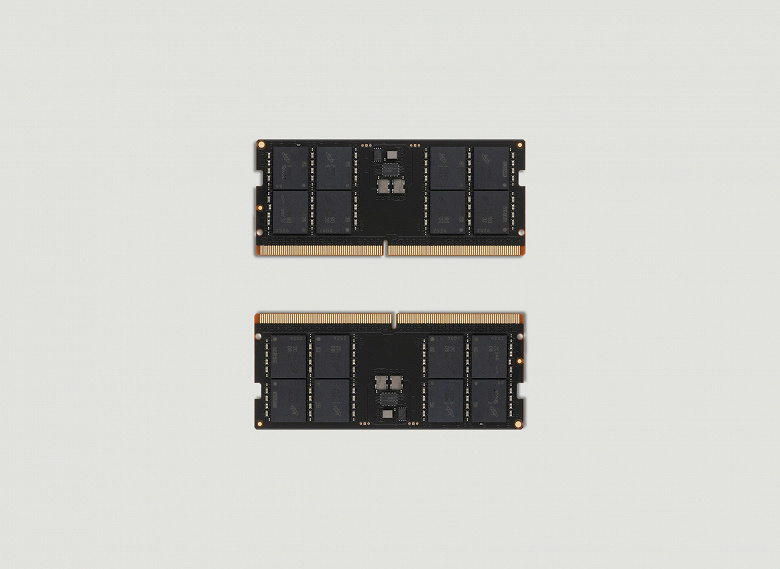
Framework, a company known for its modular laptops and commitment to transparency, has increased its memory prices for the third time in two months, highlighting a persistent global shortage that continues to drive up costs for consumers and manufacturers alike. The price for DDR5 RAM modules for its laptops now stands at $12 to $16 per gigabyte, depending on the module’s capacity.
This latest adjustment means customers will now pay between $192 and $256 for a 16GB kit, and up to $400 for a 32GB kit. The company has also been forced to raise prices for its desktop systems and motherboards by 6-16% due to the rising cost of LPDDR5x memory.
The Story Behind the Spiking Costs
In a statement, Framework reiterated its policy of selling components near its own procurement cost. The company acknowledged that while some of its prices may be slightly below the current market rate, in other cases, retail components might be cheaper. In such instances, Framework encourages customers of its DIY Edition laptops to source their own RAM elsewhere.
We adhere to a roughly monthly update schedule, and unfortunately, the trend continues in the same direction as last month. Today, we have updated the prices for DDR5 memory of all capacities, which now range from $12 to $16 per GB depending on the capacity. As before, we sell memory modules at prices as close as possible to the weighted average cost of our purchases from suppliers.
The company also anticipates future price increases for storage modules, noting that some SSDs, like the 8TB model, are currently being sold at prices significantly below the market average. Framework’s CEO, Nirav Patel, has warned that the memory shortage could last for two years, with supply not expected to meet demand until late 2027 or 2028.
A Market in Crisis: The AI Boom’s Ripple Effect
The escalating prices are not unique to Framework but are part of a broader industry-wide crisis, often dubbed “RAMageddon.” The primary driver is a massive surge in demand from the artificial intelligence sector. AI data centers and cloud providers are consuming a massive portion of the available high-performance memory, such as DDR5 and HBM (High-Bandwidth Memory), to power large language models and other AI workloads.
This has created a severe supply-and-demand imbalance. Major DRAM manufacturers like Samsung, SK Hynix, and Micron, who had previously cut production in 2023 to stabilize falling prices, are now prioritizing the lucrative AI and server markets. This strategic shift squeezes the supply available for consumer products like laptops and desktops, causing prices for both the latest DDR5 and older DDR4 memory to skyrocket. Analysts predict that memory prices will continue to climb throughout the first half of 2026.
From Critic to Participant
This situation puts companies like Framework in a difficult position. In December 2025, Framework publicly criticized Dell for what it called “price gouging” on memory upgrades. However, the relentless market pressure soon forced Framework to raise its own prices, first by 50% in mid-December, and then again at the end of the month to a rate of about $10 per gigabyte, before the most recent hike.
What’s Next for the Industry?
The sustained increase in memory costs will inevitably translate to more expensive laptops, desktops, and even smartphones for the foreseeable future. The crisis also affects other components, such as graphics cards and SSDs, which rely on the same manufacturing base. For the DIY community and customers of brands like Framework, who value upgradability and choice, this period will require careful budgeting and comparison shopping. While Framework’s transparency is a notable exception in the industry, the underlying market forces are a challenge that no single company can overcome on its own.