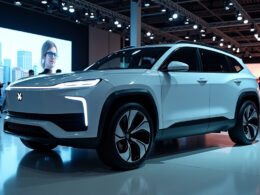

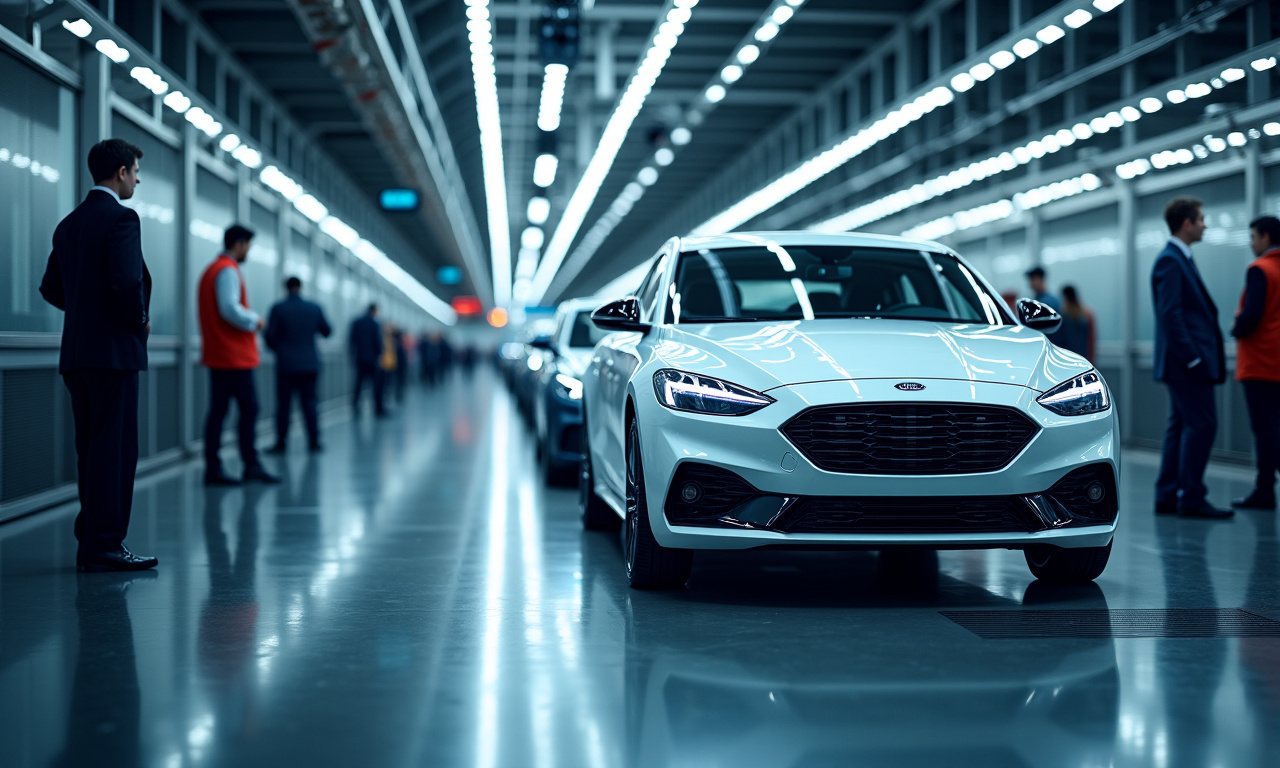

Geely will utilize Ford’s manufacturing facilities in Europe for vehicle production in the region. In return, Geely will provide Ford with access to its driver assistance technologies. The main goal for both parties is to reduce production costs.
According to sources familiar with the situation, last week Geely and Ford held a high-level meeting in Michigan. Recently, the American automaker sent a delegation to China to intensify negotiations. However, it has been reported that negotiations between the two parties have been ongoing for several months.
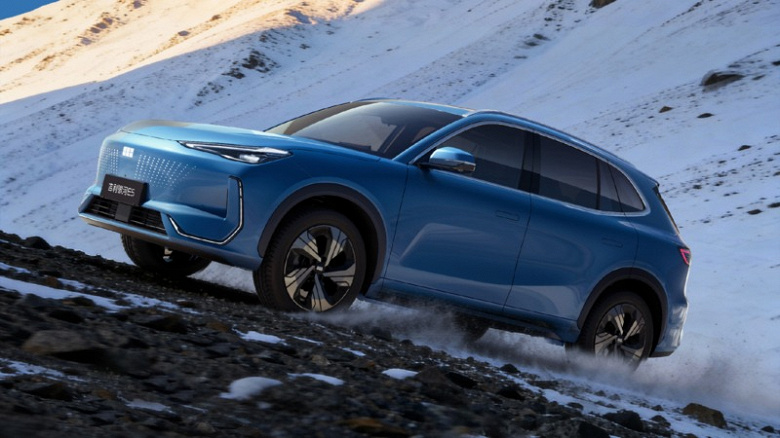
Representatives from Ford and Geely have not provided any specific information about their cooperation. It is unknown which specific Ford plant is at the center of the negotiations. Last year, Ford announced that its plant in Cologne, Germany, would switch to single-shift operation from January 2026. Ford also has plants in Saarlouis, Germany, and Valencia, Spain.
Utilizing Ford’s European plant production capacities allows Geely to avoid anti-subsidy tariffs imposed by the European Union on Chinese-made electric vehicles. Currently, the Geely Group pays an additional 18.8% duty over the standard 10% tariff. Earlier reports suggested that tariffs would be replaced by a minimum import price in the EU. However, at that time, the tariffs were still in effect.
To exemplify, Geely’s electric vehicles, now costing around €30,000 ($32,400), face an 18.8% duty equaling €5,640 ($6,091). These figures underline the significant financial pressure exerted by current EU tariffs on foreign manufacturers, highlighting why the proposed collaboration with Ford becomes strategically crucial.
Recent industry analyses suggest that this move creates new dynamics in the European automotive market, potentially reshaping competitive landscapes, given Geely’s technological innovations and Ford’s established market presence. Experts note that this partnership could set a precedent for similar strategic alliances, leveraging localized production to circumvent trade barriers.
Moreover, the constant evolution in EU tariff regulations urges manufacturers to navigate complexities with innovative responses, as evident in Geely’s adaptive strategy through collaboration.