


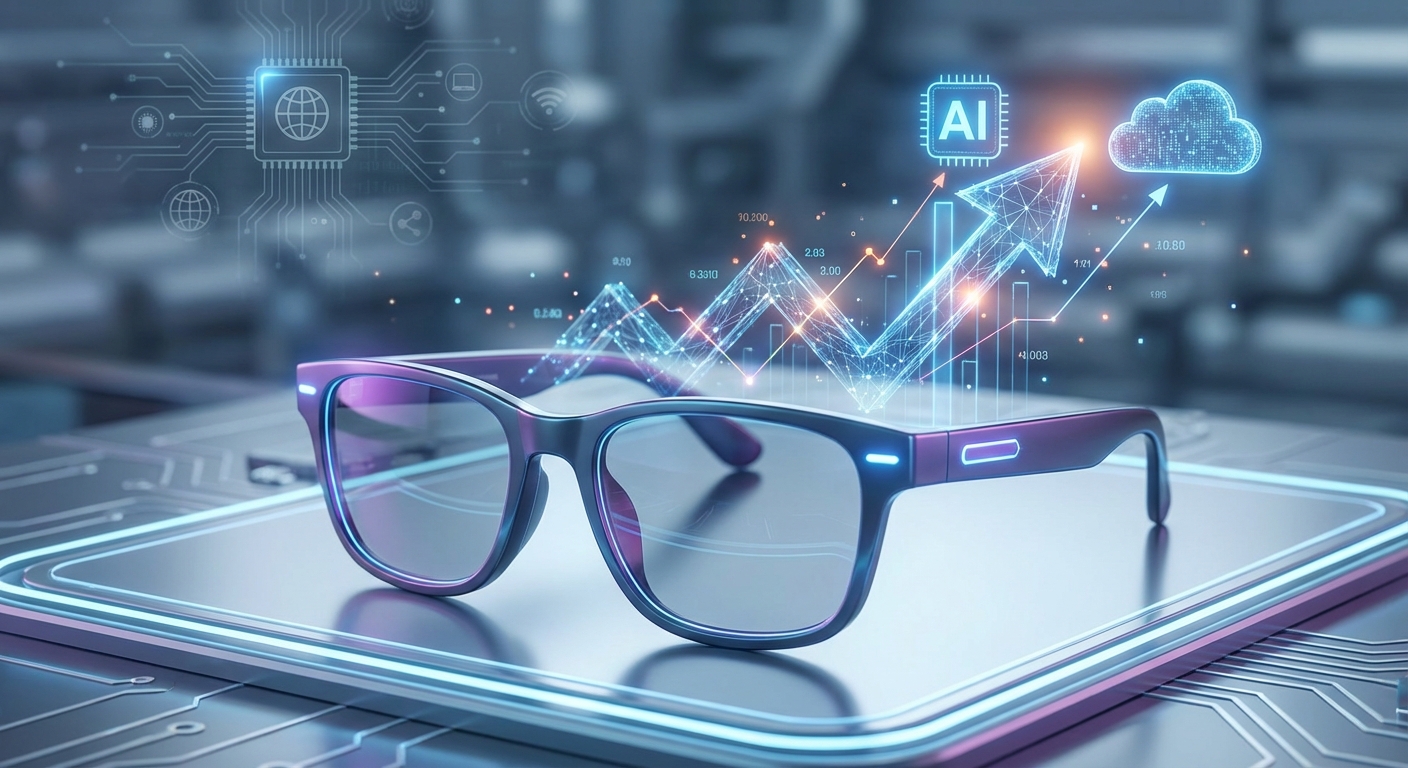

EssilorLuxottica, the world’s largest eyewear manufacturer and owner of the Ray-Ban brand, has announced a massive surge in sales for its AI-powered smart glasses, indicating that the wearable tech market is reaching a new level of consumer adoption. The Franco-Italian company revealed it sold over 7 million units of its AI glasses in 2025 alone, a figure that is more than triple the sales of 2023 and 2024 combined. This exponential growth underscores a pivotal moment for a product category that has long promised to be the next big thing in personal technology.
The Power of a Strategic Partnership
The impressive sales figures, which include smart glasses sold under the iconic Ray-Ban and Oakley brands, are the fruit of a long-standing collaboration with social media giant Meta, which began in 2019. While the first version of the glasses, released in September 2021, saw a modest reception, the second generation launched in 2023 marked a significant turning point in consumer interest. This success is largely attributed to a design philosophy that prioritizes fashion and social acceptability-making the technology feel like a natural extension of a trusted accessory rather than a conspicuous gadget.
“Our success in wearables is helping to propel the AI-glasses revolution, with our iconic brands being a powerful driver of demand,” the company stated in a press release. This sentiment was echoed in their Q4 2025 financial results, where the AI glasses were cited as a “dominant driver” of wholesale growth.
Advanced Technology in a Familiar Form
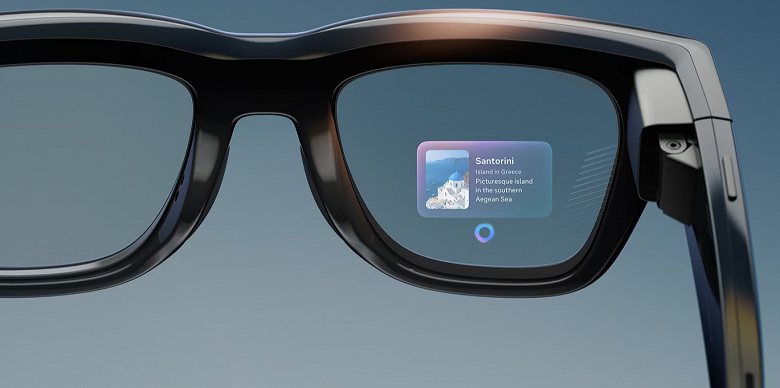
The latest generation of Ray-Ban Meta glasses integrates advanced features like a high-resolution camera, open-ear speakers, and direct access to Meta’s AI assistant. In September, EssilorLuxottica and Meta unveiled a new top-tier model, the Ray-Ban Display, which sells for $800 and features a small heads-up display in one of the lenses, along with gesture control via a neural wristband. This device represents the most advanced wearable from the partnership to date, combining a micro-display with AI and camera capabilities in a conventional sunglasses design.
“This latest innovation to come from our deep relationship with Meta reveals the next horizon. These, along with the next generation of Ray-Ban Meta and Oakley Meta glasses, will take us all to new places and levels of performance in style,” commented Francesco Milleri, Chairman and CEO at EssilorLuxottica.
Market Impact and Future Outlook
The overwhelming success has created its own challenges. In January, Meta announced it would delay the international launch of the Ray-Ban Display glasses, originally planned for early 2026, due to “unprecedented” demand in the United States, with waitlists stretching well into the year. This move highlights not only the product’s popularity but also the supply chain complexities in producing advanced AR devices at scale.
The success of the Meta-EssilorLuxottica partnership is sending ripples across the tech industry, putting pressure on competitors. While companies like Amazon have focused on audio-first devices with their Echo Frames, and others like XREAL and Viture are pushing the boundaries of wearable displays, Meta has found a winning formula by embedding technology into a globally recognized fashion item. With major players like Samsung, Google, and Apple expected to enter or expand their presence in the smart glasses arena, the market is poised for significant competition and innovation. EssilorLuxottica’s sales boom is not just a corporate win; it’s a clear sign that the era of truly wearable, AI-integrated computing is finally arriving.
* Meta is recognized in Russia as an extremist organization and is banned.