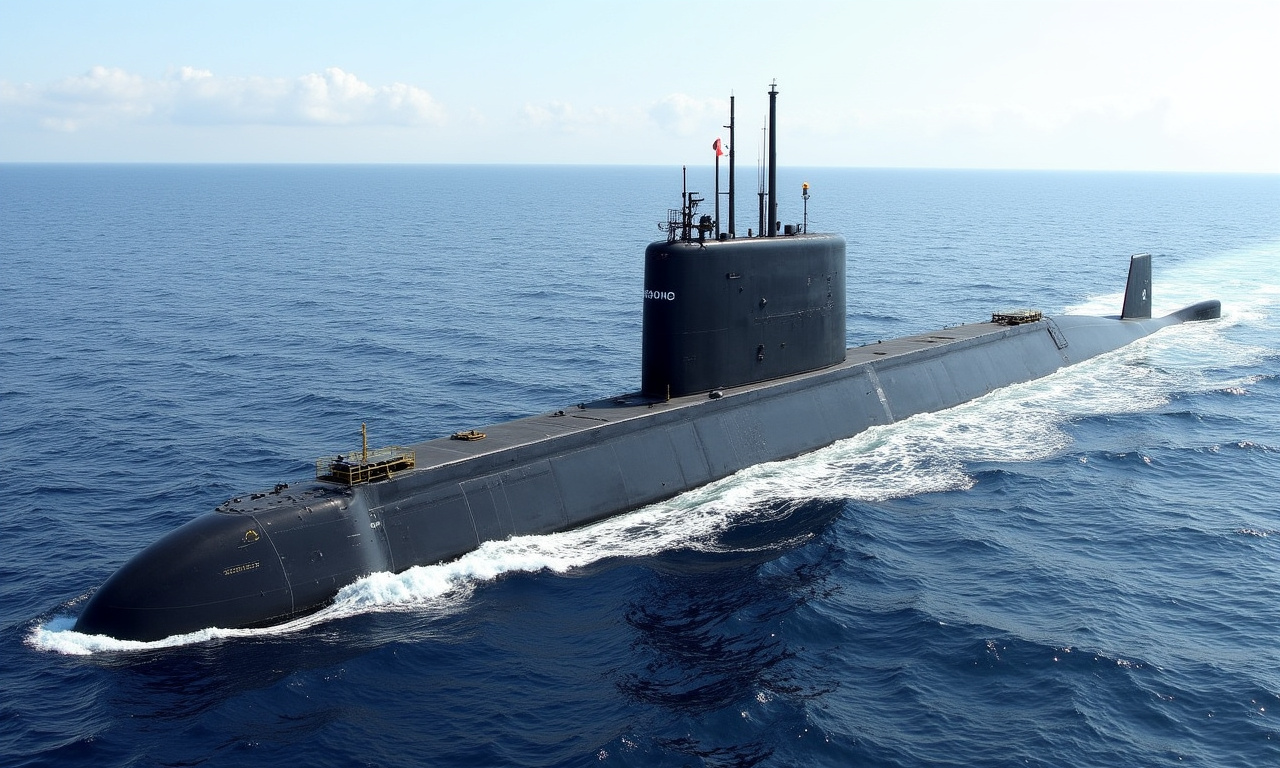

On the fourth French nuclear submarine of the Suffren class, named De Grasse (S638), the nuclear reactor was launched for the first time. The French Ministry of Defense announced this on December 12. The reactor successfully reached ‘divergence,’ which implies creating a stable nuclear reaction at very low power. This step paves the way for the start of the first sea trials.
The De Grasse is the fourth Barracuda-class submarine being built for the French Navy under the Suffren program, which aims to replace the outdated Rubis-class fleet, commissioned in the 1980s. The French Atomic Energy Commission designed the nuclear reactor, while TechnicAtome was responsible for its design, construction, commissioning, and long-term maintenance. Naval Group, France’s main shipbuilder, manufactured the reactor’s hulls and integrated the power plant into the submarine. The reactor’s launch marks the beginning of continuous monitoring by nuclear officers, which will continue throughout the submarine’s service life, expected to last until the 2060s.
The submarine is named after François Joseph Paul, Count de Grasse, a French admiral whose victory over the British Royal Navy at the Battle of the Chesapeake in 1781 was crucial during the War of Independence. This historical tie reflects a narrative of resilience and strategic triumph, echoing De Grasse’s decisive role in the successful entrapment of the British fleet, leading to the eventual victory at Yorktown.
The French defense procurement agency has ordered six submarines under the Barracuda program. The first three submarines, Suffren, Duguay-Trouin, and Tourville, entered service in June 2022, April 2024, and July 2025, respectively. Two more submarines, Rubis and Casabianca, are currently under construction. The Suffren class submarines displace about 4,700 tons on the surface and approximately 5,100 tons underwater. They are 99 meters long, nearly 9 meters in diameter, and capable of diving to a depth of more than 350 meters. 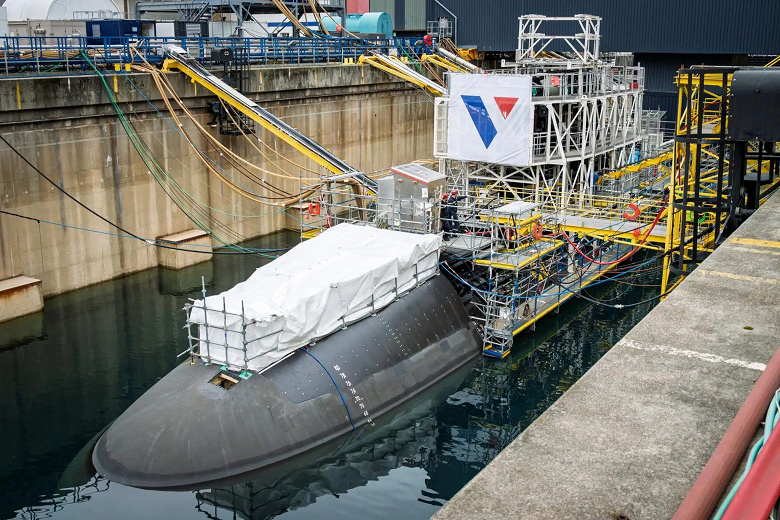
Recent advancements in French naval technologies, such as improved stealth features and upgraded sonar systems, provide the Suffren class with substantial operational advantages. The incorporation of new automation systems enhances operational efficiency and reduces crew workloads while increasing sustainability at sea. In the grand narrative of European naval power, these submarines provide a notable boost to NATO’s strategic capabilities, reinforcing allied naval strength in tumultuous times.
French defense experts have highlighted that the modernized nuclear safety protocols and enhanced underwater endurance capabilities make the Suffren class a model for future nuclear submarine designs, potentially influencing global naval strategies. As part of NATO’s commitment to maintaining cutting-edge military technology, these submarines underscore a deliberate shift towards sustainable and technologically innovative naval warfare.