

The company TSMC, as reported by the DDaily resource, intends to launch 3 nm chip production in the United States a year earlier than originally planned. TSMC’s first Arizona plant is already working on producing 4 nm chips, and the second plant will be responsible for the mass production of 3-nanometer chips with a launch planned for 2027. Initially, it was planned to launch in 2028.
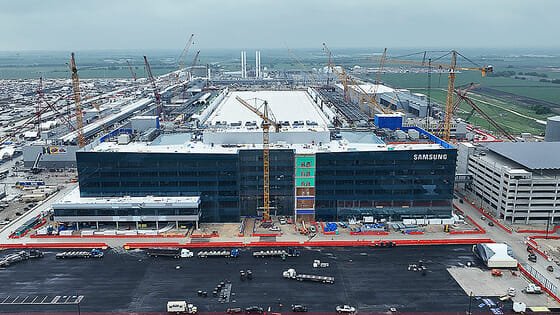
One of the main reasons for such an accelerated pace is the massive demand for advanced technologies like 4 nm, 3 nm, and 2 nm. Moreover, Samsung is almost ready to launch production in the U.S. at 2 nm, so TSMC is actively lagging behind here. It is also worth remembering Intel, which is refining its 18A process, and already has its first major clients.
However, just recently, we reported that TSMC is experiencing issues with noticeable increases in capital expenditures and a shortage of workforce.
According to recent developments, the demand for smaller, more efficient chips continues to rise as technological innovation drives the semiconductor industry forward. Experts highlight that smaller nanometer processes enable more powerful and energy-efficient chips, fueling advancements in mobile devices, data centers, and artificial intelligence applications. As TSMC accelerates its plans, it faces growing competition from Samsung, which aims to solidify its position by initiating 2 nm chip production in the U.S. by 2025. Meanwhile, Intel’s progress with its 18A architecture signals a robust entrance into the high-tech market, offering potential collaborations with major tech companies.
Industry analysts report that TSMC’s decision to advance its 3 nm production is a strategic move to maintain market leadership amid escalating R&D costs and talent shortages. The company is reportedly investing heavily not only in infrastructure but also in partnerships with educational institutions to bridge the skills gap.
“The semiconductor race is a testament to how critical these components have become across all tech sectors,” commented a senior industry analyst. “As players like TSMC, Samsung, and Intel push technology’s boundaries, they not only shape the future of gadgets but also drive economic influences globally.”