







China continues to heighten its pressure on the cryptocurrency market. The People’s Bank of China (PBOC) has issued a new circular expanding the existing ban on cryptocurrencies and other related technologies in the country. The PBOC has extended the 2021 restrictions, now banning the tokenization of real assets, including offshore tokenization of domestic assets and rights, unless approved by the regulatory body.
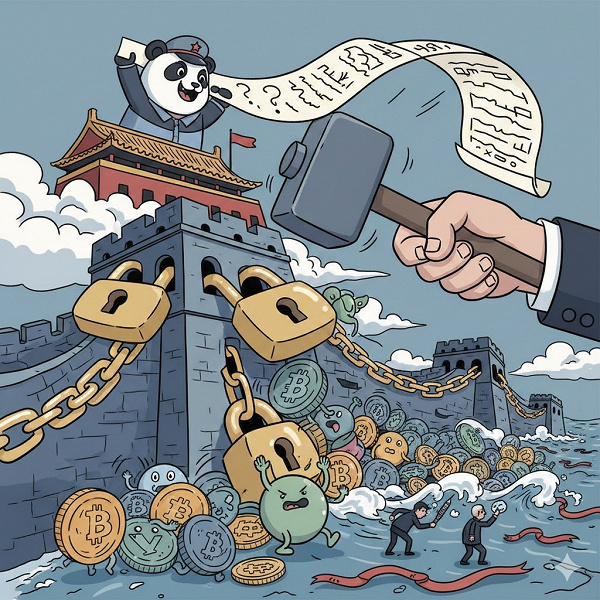
Internet providers are now prohibited from promoting, hosting, or even facilitating traffic related to cryptocurrencies and real assets. Internet companies are forbidden from offering services that help promote or support activities related to virtual currencies or the tokenization of real assets. These services include hosting business platforms, conducting commercial presentations, marketing campaigns, and paid redirection of internet traffic. Upon detecting signs of illegal or wrongful activity, they must immediately report them to the relevant authorities and provide technical support and assistance in conducting the necessary investigations.
In recent months, industry experts have noted that these measures could significantly impact both local and international businesses operating within the tech and finance sectors. The increase in restrictions is seen as part of China’s broader strategy to maintain control over financial operations in the digital realm, coinciding with its exploration of launching its own digital currency, the digital yuan. This ambition has seen China collaborating with other countries in research and development of regulated digital currencies, aiming to set international standards and influence the global digital currency landscape.