





China’s Ministry of Commerce issued a stern statement, officially demanding that the Dutch authorities “immediately correct their mistakes” and remove obstacles to the recovery of the global semiconductor supply chain. Beijing is reacting to the escalating crisis surrounding Nexperia, control of which was forcibly taken over by the Dutch government from Chinese owner Wingtech.
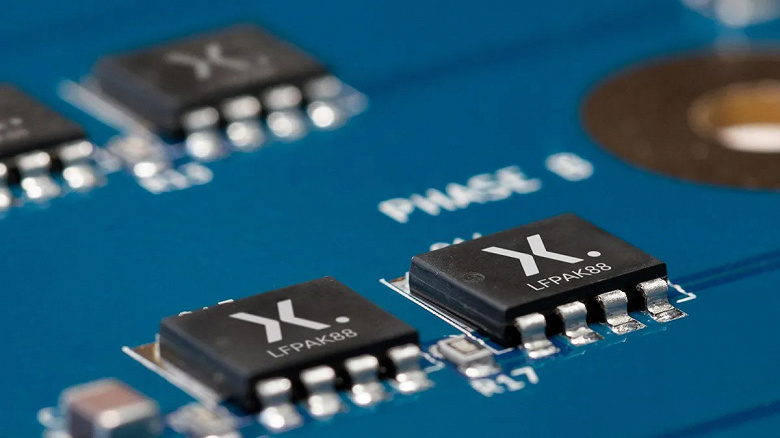
The official reason for Amsterdam’s intervention was to protect “critically important technical knowledge.” However, this move has already led to disastrous consequences for the global automotive industry. While Nexperia does not produce advanced chips, it is a dominant supplier of simple but indispensable components for the automotive sector. Remarkably, Nexperia’s market share in its niche reaches 70%. The company’s chips manage everything from engines and batteries to power windows and headlights.
The ramifications of the battle over Nexperia are already being felt. For example, Honda was forced to temporarily shut down five plants in Japan and China, and upon reopening, they will not be operating at full capacity.
The situation surrounding Nexperia is convoluted. Beyond the official narrative of unauthorized technology transfer, other theories exist. First, there is an allegation that Wingtech’s CEO illegally appropriated $200 million from Nexperia funds to save his own business. Second, there is the influence of Washington. The United States had placed Wingtech on a “blacklist” back in December 2024. Due to affiliate rules, Nexperia, which is 75% owned by Chinese interests, also risked sanctions, potentially prompting the Netherlands to act.
Currently, the conflict is far from resolution. Nexperia’s Dutch office has halted the supply of silicon wafers to its plant in China. Although Beijing has permitted the company’s Dongguan plant to resume exporting finished automotive chips, there is a shortage of raw materials to assemble them. Nexperia China is seeking new wafer suppliers, but their certification will take at least six months. Under these conditions, automakers have no choice but to reduce vehicle production.
Global Semiconductor Market Faces Further Strain
The ongoing supply chain disruptions are adding pressure to the already stressed global semiconductor market. Industry analysts warn that this could lead to increased prices and prolonged shortages, primarily affecting consumer electronics and automotive sectors.
Geopolitical Implications and Future Outlook
China’s demand for the Netherlands to rectify its stance could potentially strain diplomatic relations not only with the Netherlands but also with the European Union. This move might set a precedent for how similar disputes could be handled politically in the future.
Advances in Semiconductor Technology
Despite the turbulence, the semiconductor industry continues to advance. New technologies in chipmaking are emerging as alternatives to existing methods, potentially mitigating some effects of supply chain disruptions over the next few years.