






The world’s largest particle accelerator has embraced a new social mission: warming thousands of homes. The European Organization for Nuclear Research (CERN) has begun redirecting excess heat generated by the cooling system of the Large Hadron Collider (LHC) into the district heating network of the nearby French town of Ferney-Voltaire.
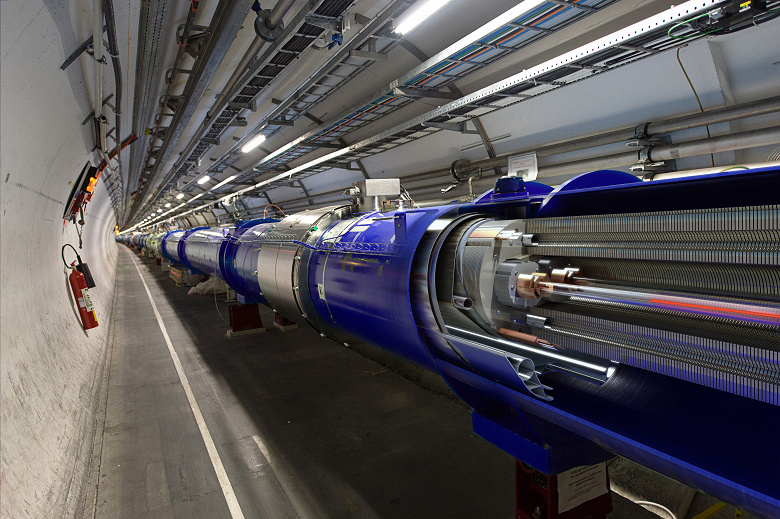
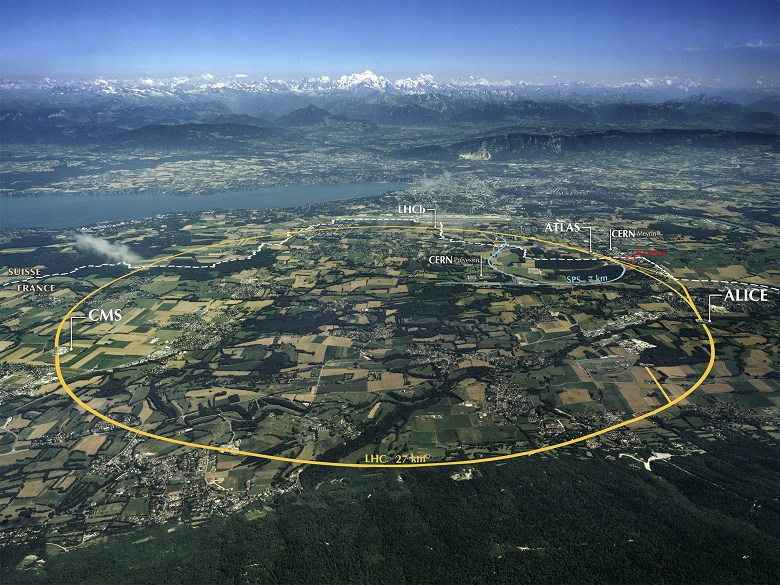
Previously, the heat generated during the equipment cooling process simply dissipated into the atmosphere. Now, water flows through two heat exchangers with a capacity of 5 MW each, located at point “8” of the 27-kilometer accelerator ring. This point is as close as possible to the residential and commercial areas of Ferney-Voltaire. According to CERN, when the accelerator operates at full capacity, the amount of energy transferred could theoretically double.
The use of “secondary” heat allows residents to forgo using gas or electricity for heating, which prevents thousands of tons of carbon dioxide emissions annually. This initiative is part of CERN’s global strategy towards environmentally responsible research.
Residents will not always be able to fully utilize the collider’s energy. Starting mid-2026, the LHC will be temporarily shut down for several years for planned upgrades, during which the thermal power will be reduced to 1–5 MW. However, CERN does not plan to stop here: by the end of 2026, a similar heat recovery system will be operational in the Prevessin data center, heating most buildings in the scientific complex.
In terms of global practice, other scientific facilities, such as certain university campuses and industrial research centers, have also begun exploring heat recovery systems. These initiatives are not only environmentally friendly but also serve as inspiration for widespread adoption in urban settings.