




Current State of the UK Auto Industry
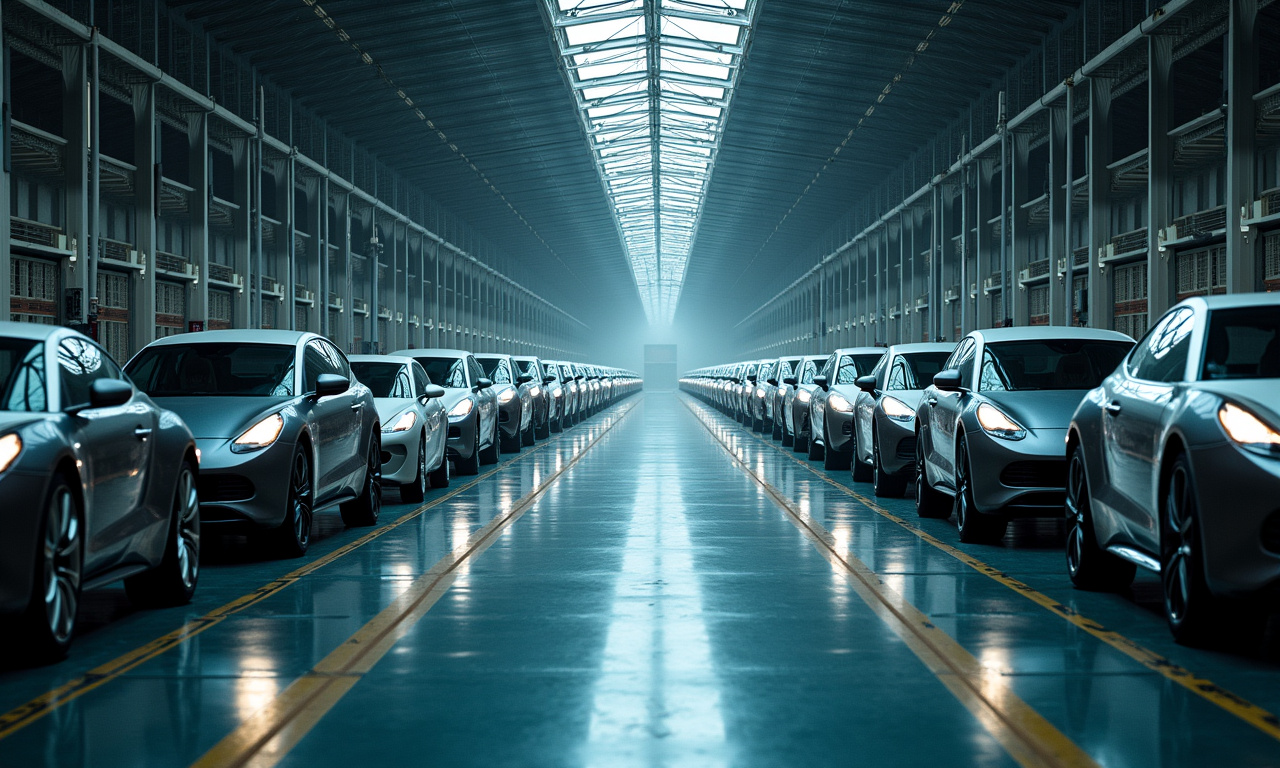
The United Kingdom is approaching the end of the year with the weakest volume of passenger car production in recent years – about 700,000 vehicles. Seven years ago, the country’s factories assembled more than 1.5 million cars, but during this time, production has more than halved.
Challenges Faced in the Fall
The situation in the autumn proved particularly challenging: the industry faced an electronics shortage, while Jaguar Land Rover suffered a large-scale cyberattack. September saw one of the sharpest declines: only 54,300 units produced, of which 51,000 were passenger cars, marking a 35% drop from the previous year. October was slightly better – around 62,000 cars, but the statistics are still far from optimistic. Passenger car production reached 59,000, which still means a drop of 24%.
Long-term Industry Stagnation
The segment continues to lose ground for systemic reasons. The Society of Motor Manufacturers and Traders (SMMT) is calling for government intervention, suggesting the country needs new incentives to at least return production to 1.3 million vehicles by 2035. Recently, the Chancellor announced an allocation of 1.5 billion GBP ($1.89 billion) for transforming the automotive industry.
The UK’s car manufacturing industry has faced several challenges including Brexit impacts, the global semiconductor shortage, and increased competition from electric vehicle markets abroad. Reports have highlighted the need for investing in new technologies and infrastructure to stay competitive, particularly as the EU and US are ramping up EV production.
Jaguar Land Rover has introduced plans to transition towards electric models by 2025, but it is a slow and ongoing process. Contemporary expert opinions suggest that unless structural reforms and innovations are embraced, the UK industry might continue to lag behind international competitors.
_large.jpg)