


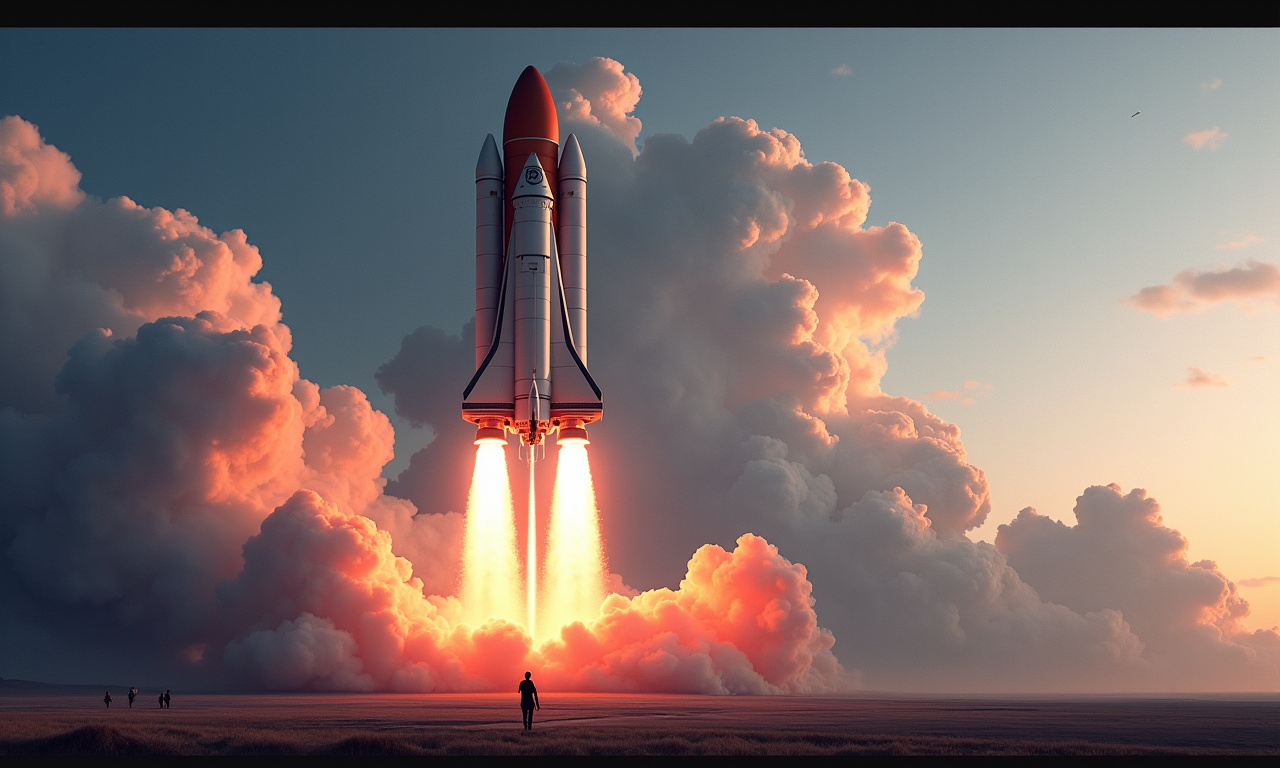

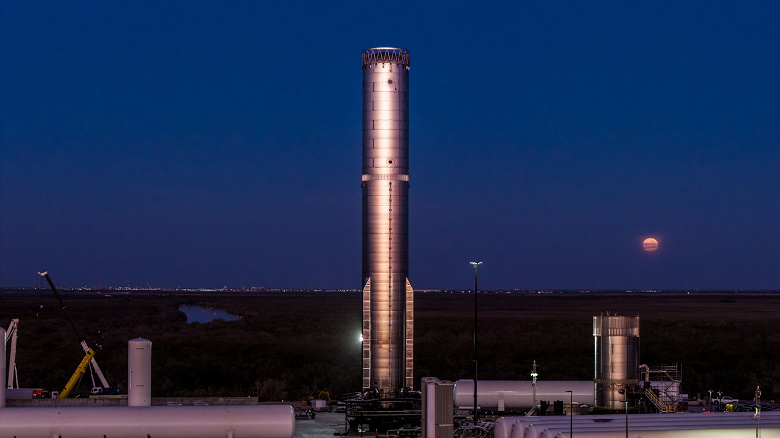
The return of Booster 19 to Megabay 1 follows a successful week of cryogenic tests at the Massey range. This cold testing phase was crucial for verifying the tanks and systems under loads that mimic the actual launch conditions. The return of the first new-generation Super Heavy to the assembly hangar indicates a transition to the next phase of preparation. In upcoming weeks, SpaceX engineers will meticulously inspect the structure before integrating the new generation Raptor 3 engines and wings onto the booster.
The Raptor 3 engines feature significant advancements over their predecessors, including improved thrust capabilities and better fuel efficiency, which are engineered to enhance both the longevity and power of the booster. These engines are integral to achieving the ambitious payload capacities required for SpaceX’s next-generation missions, potentially including crewed Mars missions slated for the late 2020s.
After completing the installations, Booster 19 will head to Pad 2, where a static fire test of the engines is planned. This test is a pivotal step before the actual launch. Notably, Booster 18 faced setbacks in November 2025, when it was destroyed during early test stages, marking a learning curve for the team.
Meanwhile, CEO Elon Musk remains optimistic about the forthcoming launches, highlighting the rapid progress and innovation at SpaceX events. The company continues to set industry benchmarks, competing with rival aerospace firms both in technical prowess and ambitious timelines.