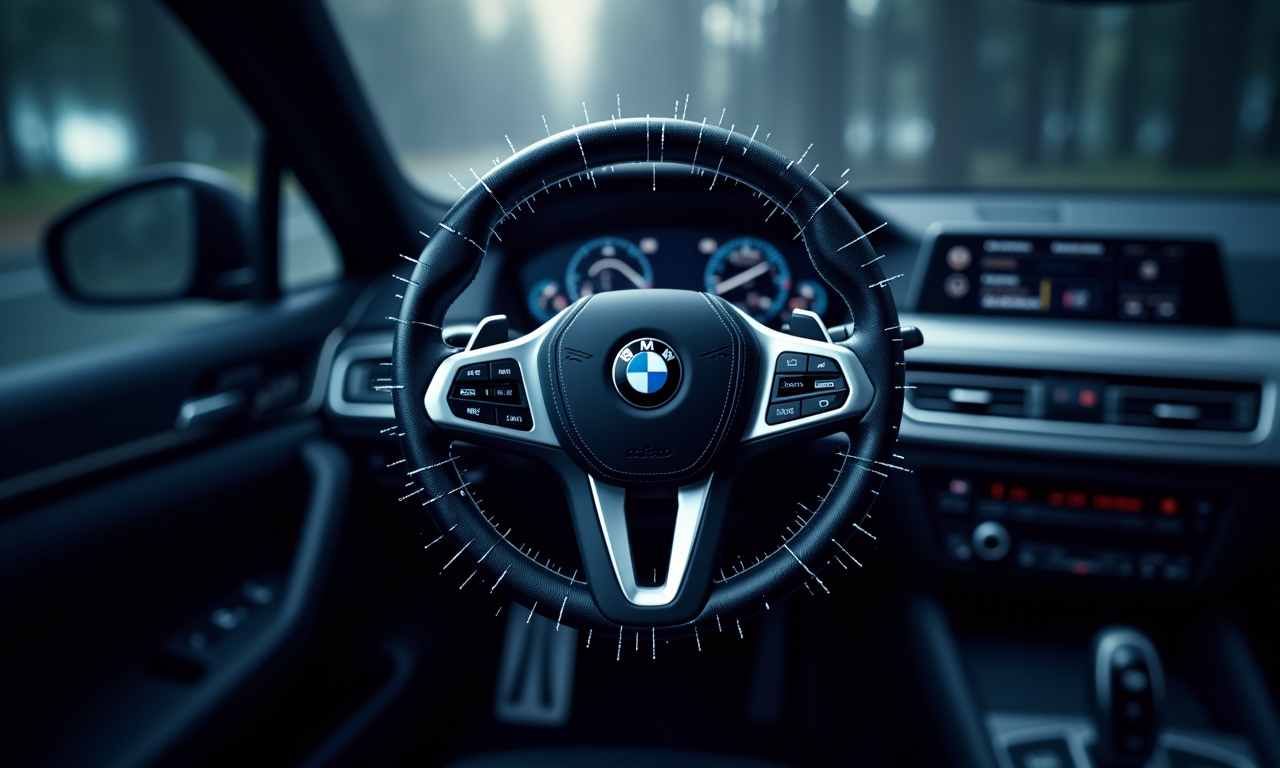

Modern cars are brimming with electronics, often leading to quite puzzling consequences. BMW has announced the recall of 36,922 X3 SUVs (2025 and 2026 model years) due to a rare but terrifying defect: the steering wheel might start spinning on its own. 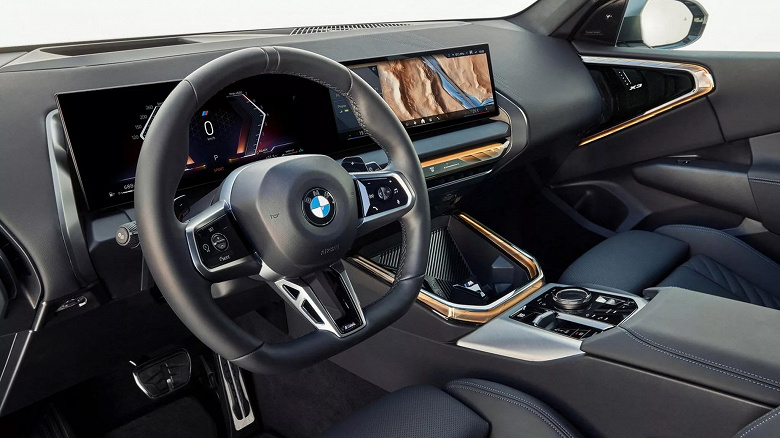 Photo: BMW According to documents filed with the National Highway Traffic Safety Administration (NHTSA), the malfunction occurs when the car is stationary – such as immediately after the engine starts or when stopped at a traffic light (in Drive mode). The issue lies in the power steering software. If one of the two torque sensor channels makes an error, the software might not always recognize it correctly. As a result, instead of disengaging or alerting the driver, the system starts sending false signals to the electric motor, causing the wheel to jerk sharply and forcefully to the left and right.
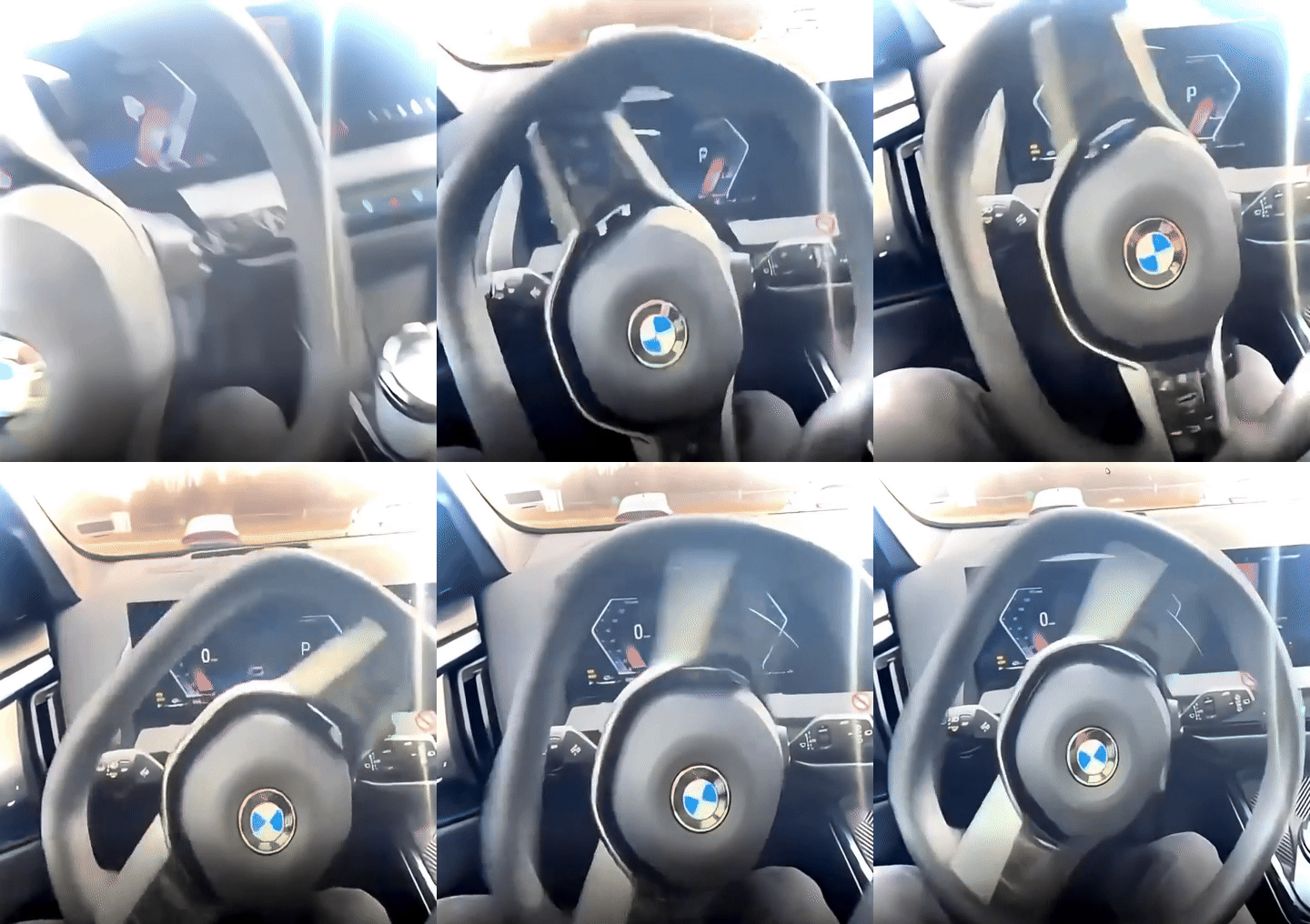
Videos of these incidents have already gone viral. Owners of defective cars post clips where the “steering wheel” literally goes haywire, making rapid chaotic movements. Commentators joke that it’s a “hungover autopilot feature” or that the driver’s “subscription for steering control expired.” Fortunately, this glitch has not yet been recorded while driving at speed. BMW asserts that the issue is purely software-related. No mechanical intervention is needed to fix it, just a software update for the power steering. Most cars will update “over the air” – owners won’t even have to visit a service center. Those who prefer the traditional method can update the firmware for free at a dealer.
The recall highlights the increasing complexity of automotive electronics and raises questions about future innovations and their unintended effects. The company is expected to improve its software testing protocols to prevent similar issues. Other manufacturers might take note, as vehicles incorporate more autonomous technologies. Experts suggest regular updates and a robust alert system to detect and rectify such glitches efficiently, ensuring consumer safety remains paramount.