





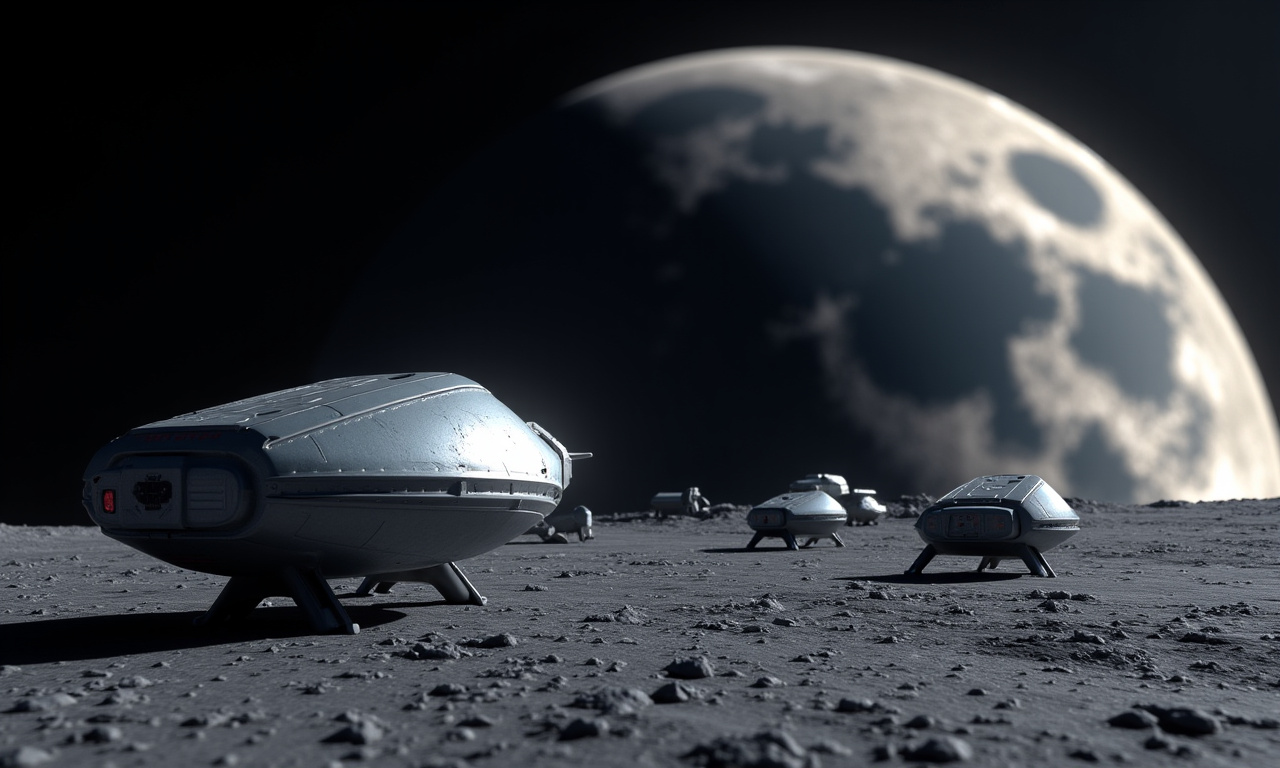

Blue Origin redirects resources towards the development of a lunar lander and preparation for lunar missions, temporarily halting flights for space tourists under the New Shepard program. Jeff Bezos’ company announced a suspension of the program for at least two years. All resources will be focused on upcoming lunar missions, including the design of a lunar landing module. The decision was made shortly before the anticipated third launch of the heavy-lift New Glenn rocket, scheduled for the end of February. Initially, this launch was meant to send Blue Origin’s robotic lunar lander to the Moon, but currently, the craft is only undergoing testing at NASA’s Johnson Space Center in Texas. The New Glenn rocket-a two-stage, heavy-lift launch vehicle-has been developed by Blue Origin since 2012 and is capable of delivering up to 45 tons to low Earth orbit. Its first stage is reusable, designed for 25 flights.
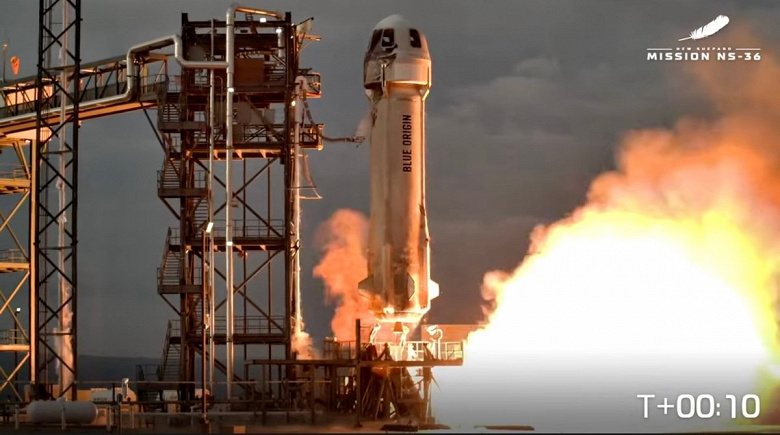
Blue Origin stated that this decision reflects the company’s commitment to the national goal of returning to the Moon and establishing a permanent presence there. The New Shepard rocket made its first flight over 10 years ago, becoming the first vehicle to complete a suborbital flight and safely land on Earth. Unlike SpaceX’s Falcon 9, New Shepard was not initially intended for orbital flights. Its functionality was limited to tourist flights, during which passengers experience about four minutes of weightlessness in a space capsule, and scientific missions. According to the company, New Shepard has completed 38 flights, carrying 98 people and over 200 scientific and research projects into space. The New Shepard program had previously been suspended in 2022 after a booster explosion mid-flight. No one was hurt as the capsule successfully separated from the booster. New Shepard was “grounded” until the end of 2023, while Blue Origin identified and resolved the cause of the accident.
In recent developments, Blue Origin has partnered with Draper, Astrobotic, and other industry leaders to enhance their lunar lander technology, incorporating advanced autonomous navigation systems and new payload delivery mechanisms. Meanwhile, New Glenn’s capabilities are continually evolving, with expectations to further increase payload capacity and improve cost efficiency, positioning it strongly against competitors like SpaceX’s Starship, which aims to dominate both lunar and Martian ambitions. As Blue Origin pivots to focus more on lunar exploration, the space tourism sector faces an interesting challenge as competitors like SpaceX continue advancing their commercial flight capabilities. The shift could temporarily cede space tourism market share to SpaceX, who is aggressively pursuing both orbital and lunar tourism opportunities.