

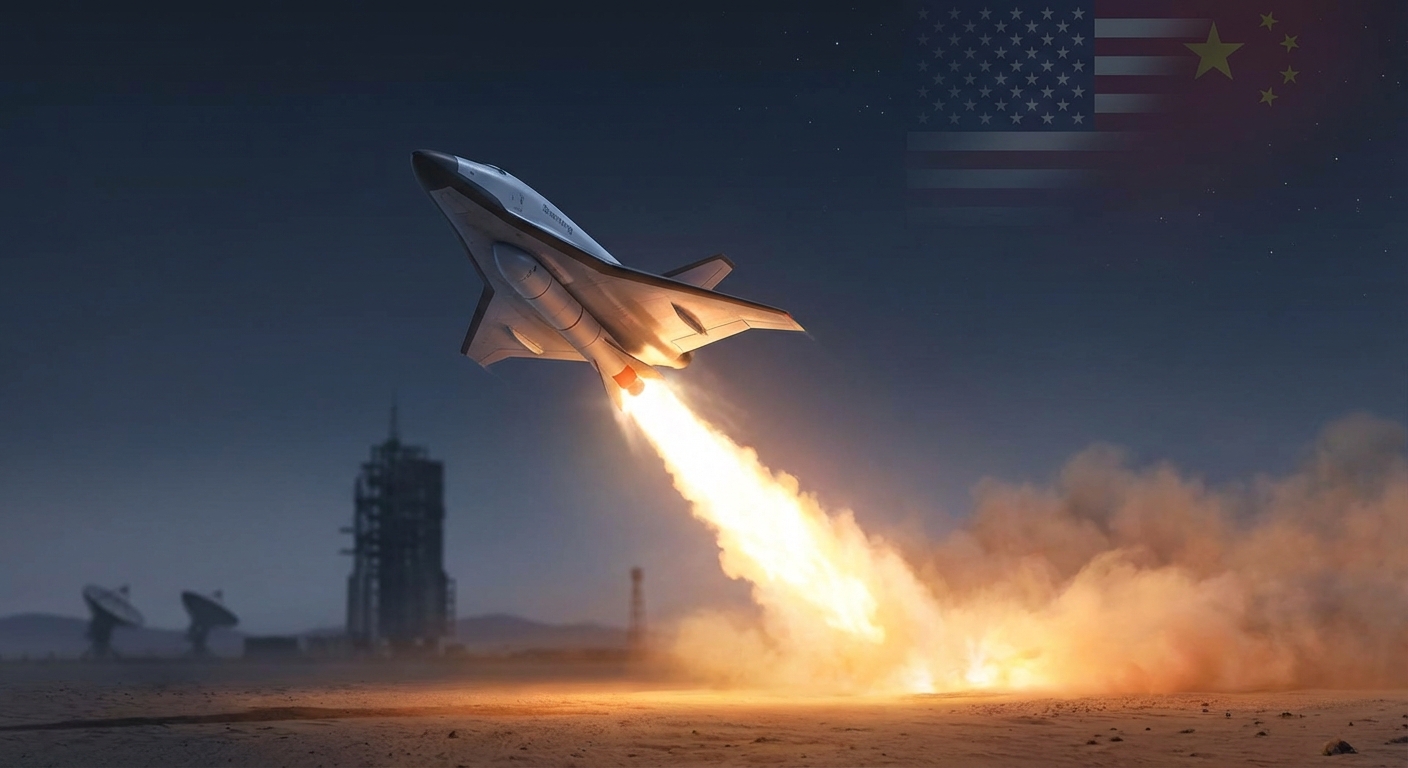

On January 22, from Blue Origin’s West Texas launch site, the New Shepard rocket (mission NS-38) successfully took off. The launch was briefly delayed due to ‘unauthorized personnel in the launch area.’ The NS-38 crew included entrepreneur and pilot Tim Drexler, retired gynecologist Linda Edwards, developer Alen Fernandez, entrepreneur Alberto Gutierrez, retired US Air Force Colonel Jim Hendren, and New Shepard’s launch director Laura Stiles. Stiles replaced Andrew Jaffe at the last moment, who was unable to fly due to illness, but will participate in a future New Shepard mission.
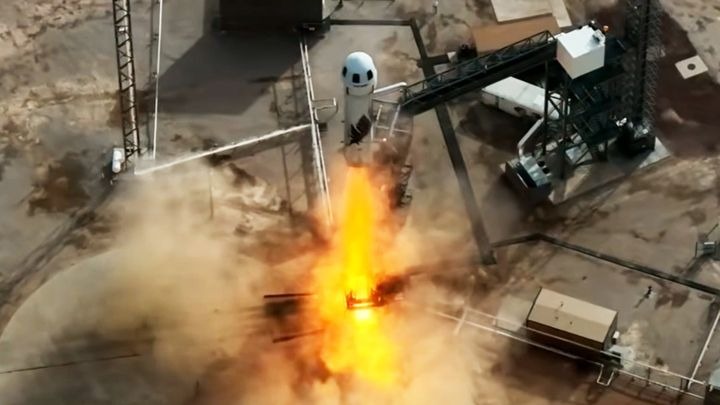
The six space tourists spent several minutes in weightlessness and observed Earth against the backdrop of space. They also received astronaut pins, as New Shepard took them above the Karman line-a boundary at 100 km widely recognized as the start of space (NASA and the US Air Force consider space to start at 80 km above Earth). During the flight, the capsule reached an altitude of about 106,680 meters. The NS-38 flight concluded quickly, as do all New Shepard flights. The rocket made a controlled landing on the launch pad 7 minutes 20 seconds after launch. The capsule landed about 3 minutes later, raising a cloud of dust in the West Texas desert, softly descending on parachutes.
So far, Blue Origin has sent 98 people into space over 17 manned flights. The first of these occurred on July 20, 2021-on the 52nd anniversary of Apollo 11’s moon landing. Among these 98 people are 92 unique passengers since six have flown in the capsule twice. Blue Origin does not disclose ticket prices, but estimates suggest that tickets can be over $200,000, making them generally more accessible to upper middle-class individuals or companies seeking unique team-building experiences.
Virgin Galactic, a major competitor in the suborbital space tourism industry, charges $600,000 per seat. Competition between Blue Origin and Virgin Galactic has intensified as both companies race to expand their customer base and improve their marketing strategies. Recent advancements and promotional efforts by both companies have helped invigorate the still-nascent market for space tourism, drawing increased public attention and generating buzz among potential future space tourists.