





Audi has put its 2026 Formula 1 car through its paces at the Circuit de Catalunya, near Barcelona. This was the first time a Formula 1 car of the latest generation raced on a track. Audi’s factory drivers, Nico Hülkenberg and Gabriel Bortoleto, completed several laps in the Audi R26 F1 during a filming session, offering everyone the first chance to hear the new power unit on the track.
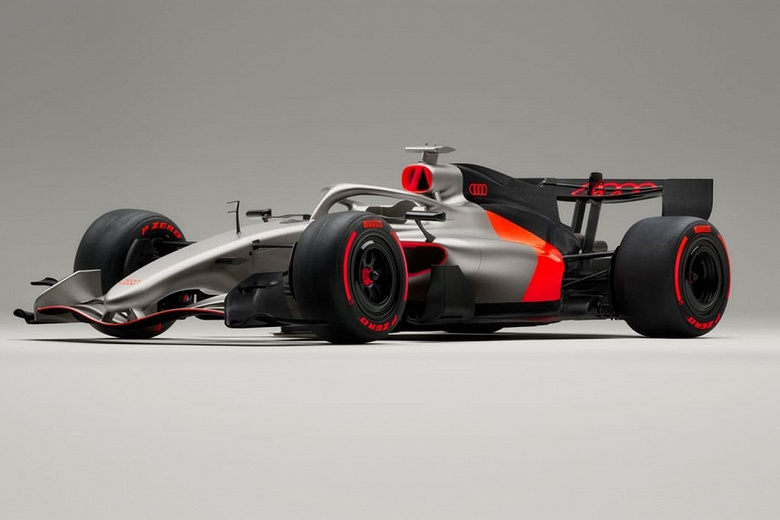
Photo: Audi
The FIA has made significant changes to the Formula 1 engines for the 2026 season. Although the 1.6-liter V6 turbo hybrid engine remains, the internal combustion engine’s power has been reduced while the electric motor’s power has tripled, ensuring a 50-50 power split. This will see the electric element of an F1 car’s power significantly grow in 2026, with the complex MGU-H system being scrapped. The energy recovery system (ERS) will now be capable of charging the battery with twice as much energy per lap.
In light of these changes, the racing dynamics are expected to shift significantly. The reduction in engine power and an increased focus on electric power will not only affect competitiveness but may redefine race strategies. Enhanced fuel efficiency, thanks to the ERS improvements, might result in fewer pit stops and altered race tactics.
Audi is set to unveil its R26 Formula 1 car in Berlin on January 20, ahead of the first pre-season tests, scheduled for January 26-30. This anticipated event will offer further insights into how these engineering shifts might serve Audi in the 2026 championship, particularly when compared to expected developments from competitors like Mercedes and Red Bull, who are also reshaping their strategies in response to FIA regulation changes.