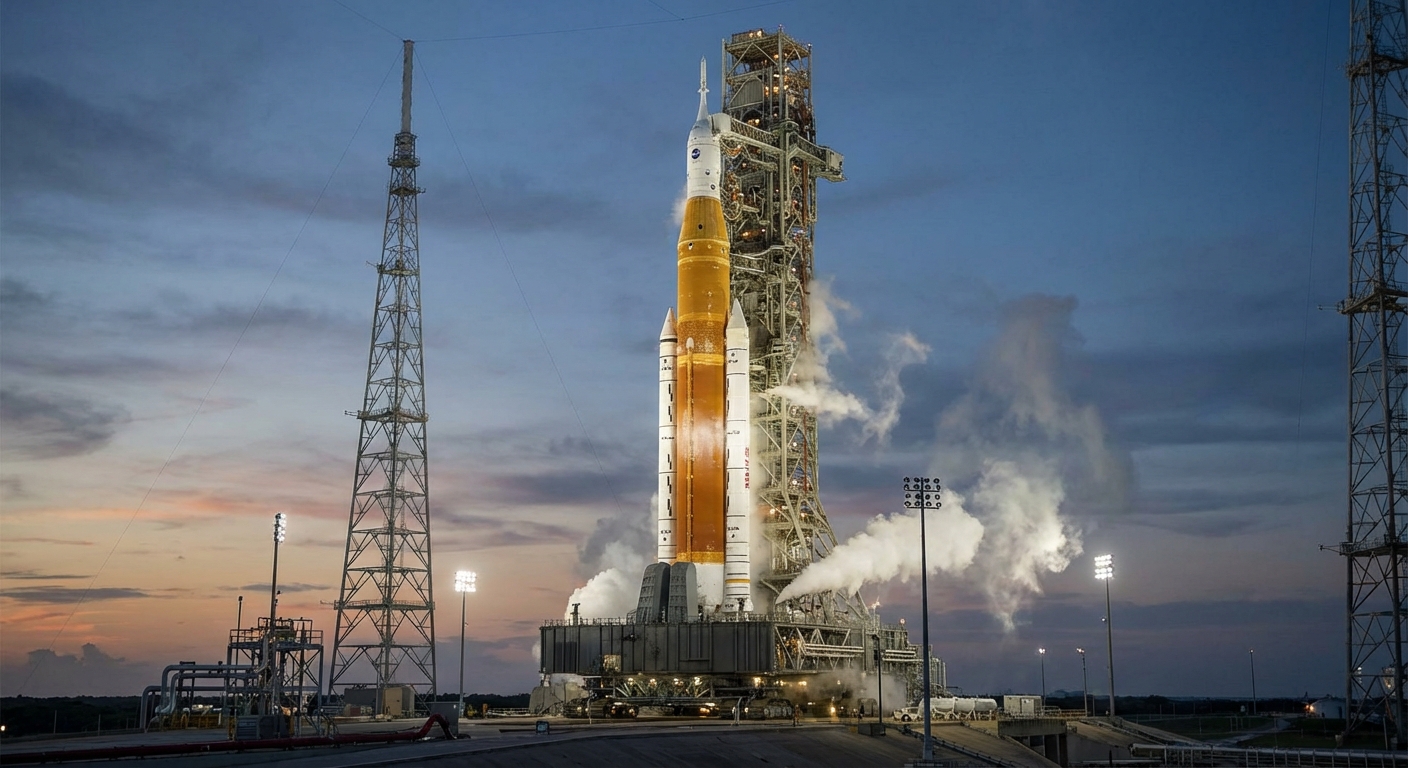

NASA is set to conduct a second full fueling test of its Space Launch System (SLS) rocket this week, a critical step in preparing for the Artemis II mission, the first crewed flight to the Moon in over 50 years. The operation, known as a wet dress rehearsal (WDR), will see more than 2,650,000 liters (approximately 700,000 gallons) of cryogenic liquid hydrogen and liquid oxygen loaded into the super heavy-lift rocket. This test is designed to validate fixes for a hydrogen leak that halted a previous attempt and will be a key factor for NASA in setting a firm launch date, with the earliest opportunity being March 6.
The Challenge of Taming Liquid Hydrogen
The upcoming WDR, which begins on February 17 with fueling scheduled for February 19, follows two previous rehearsals that encountered technical issues. A partial test on February 12 was affected by a ground equipment problem that reduced the hydrogen flow rate. More significantly, the first full WDR on February 3 was stopped with just over 5 minutes left in the countdown due to a hydrogen leak at the tail service mast umbilical (TSMU) – the connection that feeds propellant into the rocket’s core stage. The leak surpassed the allowable 16% concentration limit, forcing a halt to the procedure.
Liquid hydrogen is notoriously difficult to handle. It must be kept at an extremely cold -253°C (-423°F), just above absolute zero. Its molecules are incredibly small, allowing them to escape through the tiniest of gaps, and the extreme temperature difference between the fuel and the Florida air can cause equipment to crack or fail. These properties make leaks a persistent challenge, one that also plagued the Artemis I launch campaign.
A Detailed Rehearsal for a Historic Mission
The second WDR will be a comprehensive simulation of launch day procedures. The countdown will proceed to T-1 minute 30 seconds, pause for three minutes, resume until T-33 seconds, and then pause again. Afterward, the clock will be reset to T-10 minutes for a final run-through, a process that rigorously tests the team’s ability to manage holds and recycle the countdown. While the Artemis II crew will not be aboard for the test, a closeout team will practice sealing the Orion spacecraft’s hatch as they would on launch day.
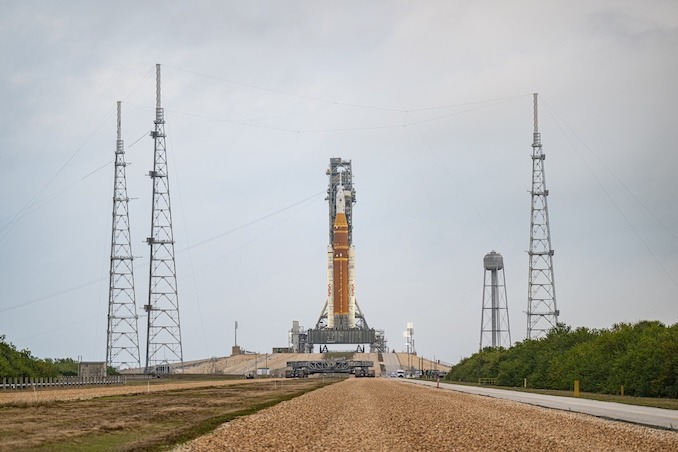
A successful rehearsal is the final major hurdle before NASA proceeds with the Artemis II mission. This 10-day flight will send four astronauts-three from NASA and one from the Canadian Space Agency-on a trajectory around the Moon and back, marking humanity’s first venture beyond low-Earth orbit since the Apollo 17 mission in 1972.
The High Stakes of the Artemis Program
The Artemis program represents NASA’s ambitious plan to establish a sustainable human presence on the Moon, with the ultimate goal of facilitating missions to Mars. However, it comes with a significant price tag. A NASA Inspector General report estimated the program’s cost will reach $93 billion by 2025, with each of the first four SLS launches costing approximately $4.1 billion.
The SLS is the most powerful rocket NASA has ever built, generating 8.8 million pounds of thrust at liftoff. Yet, its expendable design and high operational costs stand in contrast to newer, reusable systems being developed by commercial competitors like SpaceX. SpaceX’s Starship, which is central to NASA’s plans for the Artemis III lunar landing, aims for full reusability and a dramatically lower cost per launch. This has sparked debate about the long-term sustainability of the SLS in an evolving aerospace landscape.
Looking Ahead: The Path to the Moon and Beyond
Successfully completing this week’s wet dress rehearsal will be a major confidence boost for NASA and its partners. It will clear the path for the Artemis II mission, which is not just a test flight but a crucial step toward landing the first woman and first person of color on the lunar surface with Artemis III. The performance of the SLS and the lessons learned from these intricate ground operations will directly shape the future of deep space exploration for the next generation.