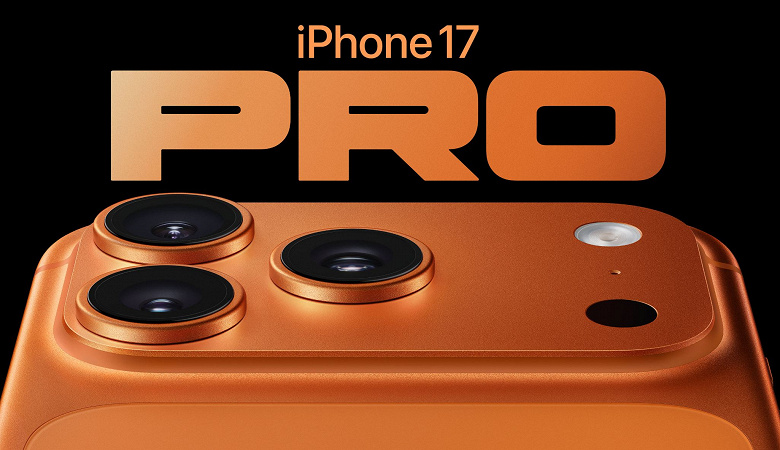
As reported by insider Ice Universe, by December 31, 2025, Apple had sold 15.57 million iPhone 17 smartphones in China. To understand the scale of this figure: Xiaomi’s 17 series ranks second with 2,828,300 units sold. This means Apple’s devices are approximately 5.5 times more popular than their closest competitors. Despite the strong statements during the Xiaomi 17’s premiere about its competitiveness with Apple’s smartphones, the reality seems quite different.
Huawei’s Mate 80 series sold 1,460,600 units, nearly half of the Xiaomi 17 series. Vivo’s X300 flagship sold 1,024,900 units, with Oppo flagships in fifth place with 792,600 units. Ultimately, iPhone 17 sales surpassed all the remaining flagship sales combined by roughly 2.8 times.
Recent Market Trends and Apple’s Strengths
Apple’s remarkable sales figures underscore a few notable trends. The iPhone 17 series seems to have capitalized on China’s ongoing appetite for cutting-edge technology, with consumers willing to invest in premium devices. This aligns with predictions that Apple’s global market share continues to inch upwards, supported by consistent demand in key markets including China.
Competition in the Chinese Smartphone Market
Competition between Apple, Xiaomi, and Huawei remains fierce. Xiaomi’s attempt to close the gap with Apple highlights the competitive innovation prevalent in Chinese brands-a drive to offer cutting-edge tech at appealing price points. Huawei, with its Mate 80, illustrates the challenges of adjusting market strategies amidst geopolitical tensions affecting its technological resource access.
While technical specifications play a vital role, brand prestige and consumer loyalty heavily influence sales trends, giving Apple an edge, secured by its ecosystem and marketing prowess.
External Factors Influencing Sales
By the end of 2025, regulatory changes and evolving economic conditions in China play subtle roles in shaping the smartphone sales landscape. Regulatory scrutiny and economic policies can affect manufacturing and sales strategies, while consumer purchasing power adjusts according to China’s economic performance.