




A New Front in the AI Wars: Features vs. Ads
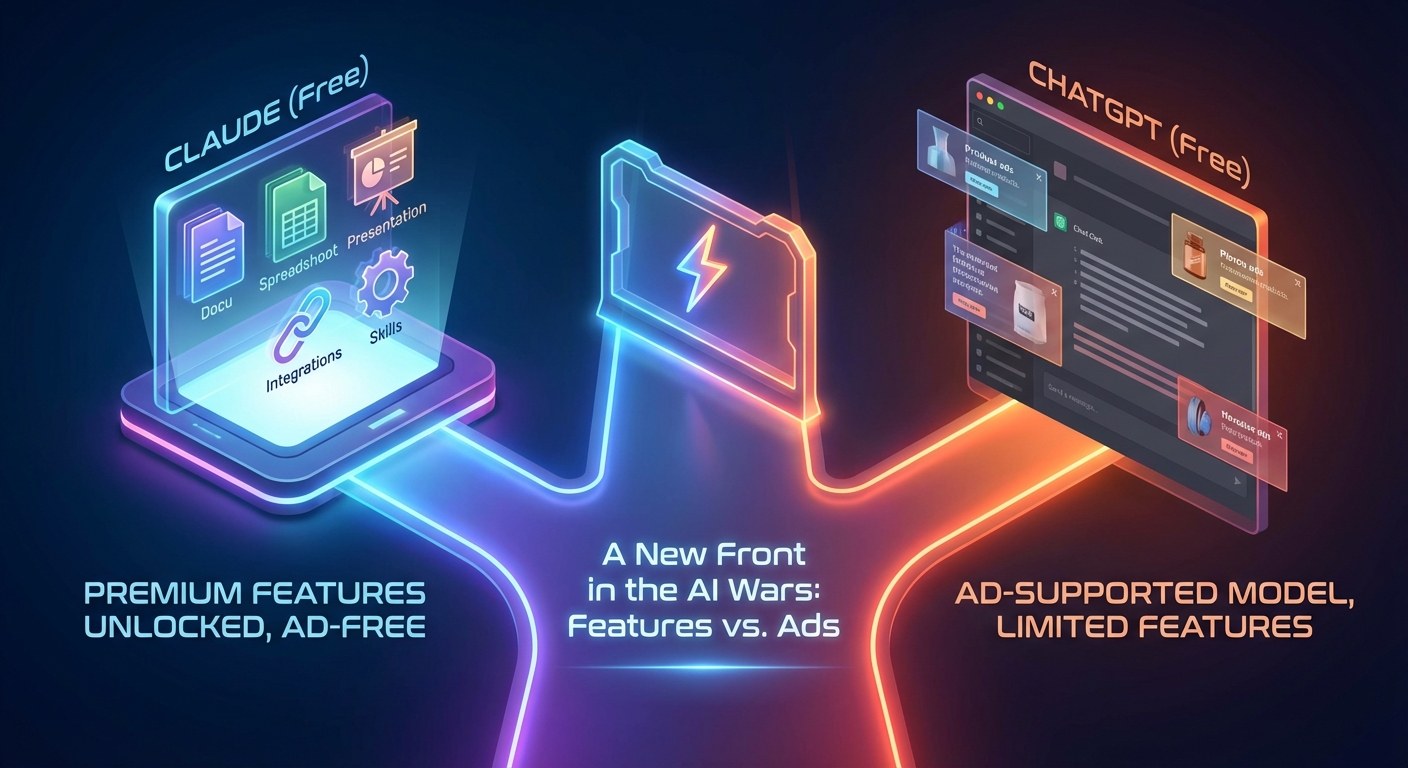
In a strategic move that redefines the freemium model for AI assistants, Anthropic has unlocked a suite of previously paid features for the free version of its Claude chatbot. Users now have complimentary access to powerful tools for file creation, app integrations, and reusable “Skills,” a direct challenge to competitor OpenAI, which recently began testing an ad-supported model for its free ChatGPT service.
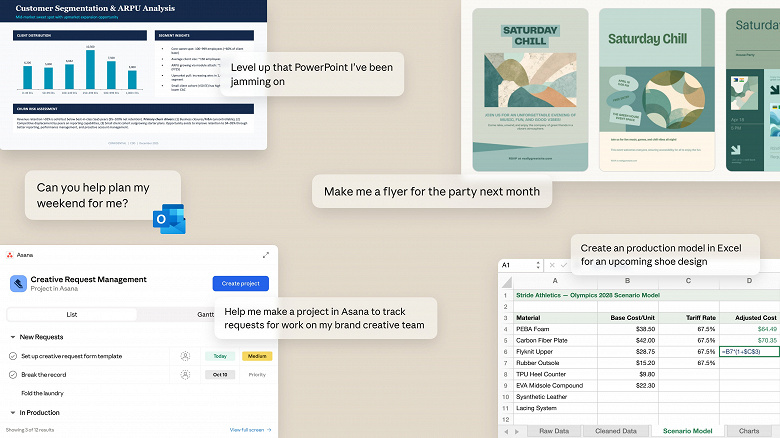
The timing is pointed, coming just as OpenAI started rolling out ads for U.S. users on its Free and Go tiers in early February 2026. Anthropic has emphatically stated that its free tier will remain ad-free, a position it highlighted in a recent multi-million dollar Super Bowl ad campaign that humorously critiqued the idea of AI conversations being interrupted by product placements.
What’s New for Free Claude Users?
The upgrade significantly enhances Claude’s utility for everyday tasks. Users can now generate and edit documents like Excel spreadsheets, PowerPoint presentations, Word documents, and PDFs directly within the chat interface. This functionality is powered by Anthropic’s Sonnet 4.5 model, a powerful and versatile AI engineered for complex, long-running tasks and agentic workflows.
Key additions to the free tier include:
- File Creation: The ability to create and work with Microsoft Office documents and PDFs, a feature previously reserved for paying subscribers.
- Connectors: Free users can now integrate Claude with a wide range of third-party applications, including Slack, Notion, Canva, Zapier, PayPal, and Google Workspace.
- Skills: Perhaps the most significant upgrade, Skills allow users to save custom instructions and resources for Claude to perform repeatable tasks. This turns the generalist chatbot into a specialized assistant trained on a user’s specific workflows, from formatting reports to analyzing data according to predefined company guidelines.
Additionally, Anthropic has improved the free experience with support for longer conversations through context compaction, more interactive responses, and enhanced voice and image search capabilities.
A Tale of Two Business Models
This development throws the different philosophies of the two AI giants into sharp relief. OpenAI aims to fund its widely used free service through advertising, arguing it’s a way to provide powerful AI to billions of people who cannot afford subscriptions. The company has assured users that ads will be clearly labeled, kept separate from AI responses, and that user data will not be shared with advertisers.
“Including ads in conversations with Claude would be incompatible with what we want Claude to be: a genuinely helpful assistant for work and for deep thinking,” Anthropic stated, positioning itself as the privacy-focused, premium-experience alternative.
OpenAI CEO Sam Altman has pushed back, calling Anthropic’s advertising critique “dishonest” and framing the debate as one of accessibility versus serving an exclusive, high-paying clientele.
The Road Ahead: Setting a New Standard
By moving powerful productivity tools out from behind its paywall, Anthropic is not just competing for market share; it’s raising user expectations for what a free AI assistant should be. While the free version of Claude still has usage limits and reserves the most advanced “Opus” model for Pro subscribers, this aggressive feature expansion puts pressure on OpenAI to demonstrate value beyond basic chat. The AI wars are no longer just about model performance but about the user experience and the business models that will define how we interact with artificial intelligence in the years to come.