

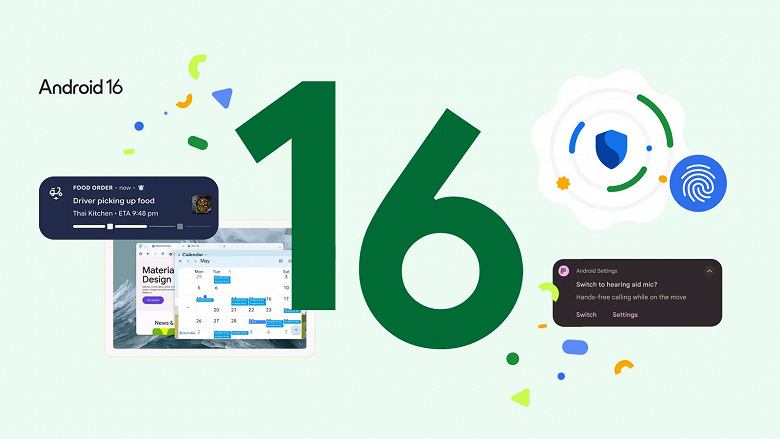
Google has released updated statistics on the popularity of its mobile operating systems. According to data as of December 1, 2025, Android 16 is installed on only 7.5% of active devices-even seven months after its release. As of today, the share of Android 16 might be slightly higher, but the adoption pace is markedly slower compared to the latest iOS versions.
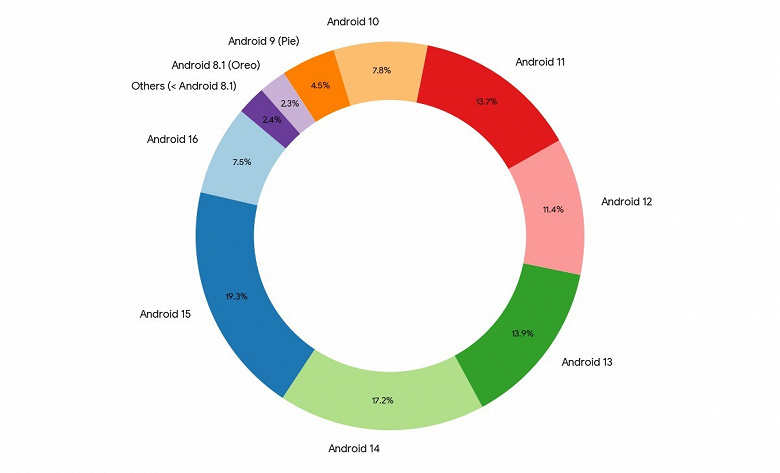
The most recent data reveals that the market leader is Android 15 with a share of 19.3%. The second and third positions are held by Android 14 (17.2%) and Android 13 (13.9%) respectively. Android 16 ranks only seventh, behind older versions such as Android 11, 12, and even Android 10.
Understanding the Numbers
The slower adoption rates of Android 16 can be attributed to several factors. Unlike the Apple ecosystem, which ensures its updates propagate quickly across devices, Android faces fragmentation due to multiple manufacturers, each with different update schedules. Despite including advanced security features and performance upgrades, users may hesitate due to perceived instability in early releases.
Adoption Trends and Market Insights
Technology adoption often follows a curve where initial uptake is slow until reaching a threshold that accelerates adoption. However, Android 16 hasn’t reached this tipping point as swiftly as anticipated. Rumors surrounding compatibility issues with existing apps may have dampened initial enthusiasm.
The current market scenario highlights a ‘wait and see’ approach among users before upgrading their systems to Android 16, says a tech industry analyst.
Expert Opinions and Future Developments
Industry experts forecast that gradual updates and fixes addressing initial technical issues could boost adoption rates in the coming year. Meanwhile, manufacturers may offer incentives, like discounted upgrades or bundled services, to entice more users to transition to Android 16.