


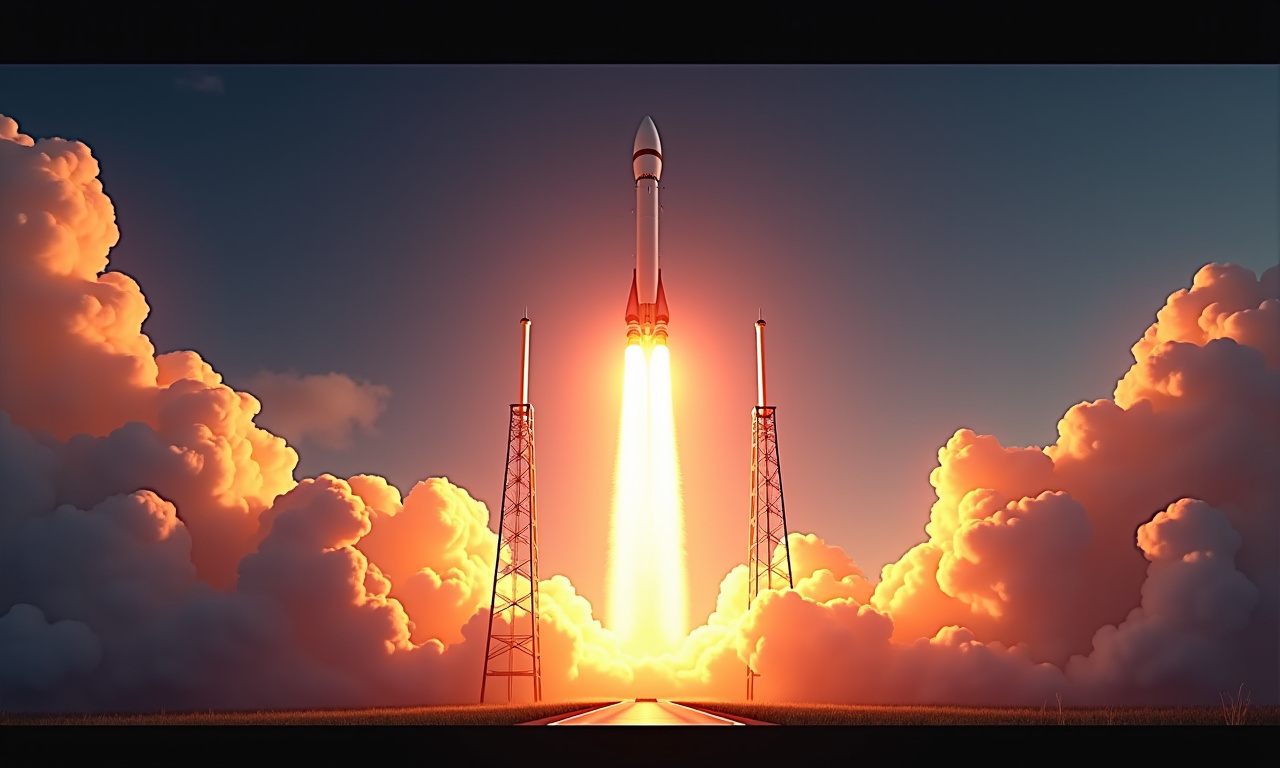

On December 16th at 3:28 AM Eastern Time (08:28 UTC), an Atlas V rocket launched from the Cape Canaveral Space Force Station, deploying 27 satellites for Amazon Leo’s internet service. This launch marked the fourth initiative for ULA (United Launch Alliance) under this project, previously known as Project Kuiper. The powerful RD-180 first stage engine and five solid rocket boosters provided the necessary thrust to the Atlas V rocket. Approximately 4.5 minutes after launch, the first stage detached, followed by the RL10C-1-1 engine of the Centaur upper stage beginning operation, lasting around 13 minutes. Deployment of the Amazon Leo satellites commenced roughly 20 minutes post-launch and took 15 minutes. Atlas V launched in the 551 configuration, where the figure ‘5’ signifies the five solid rocket boosters, which detached less than 2 minutes after liftoff. After the first stage separation, Centaur’s upper stage executed a final engine burn for deorbiting.
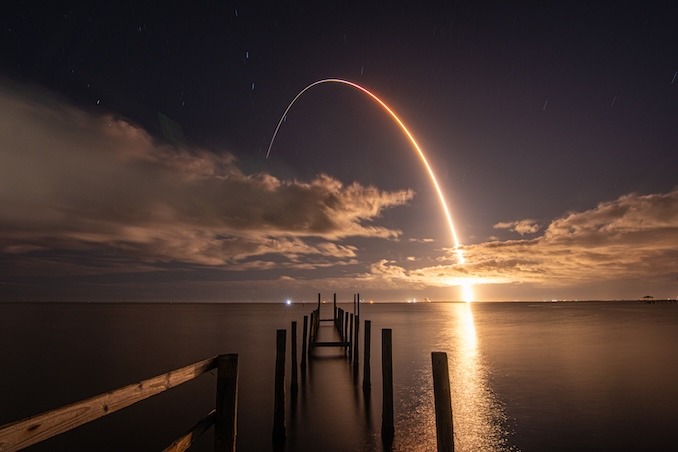
In 2025, Amazon actively expanded its satellite constellation. Following the successful LA-04 launch, 180 Amazon Leo satellites are now in orbit, deployed via four Atlas V and three SpaceX Falcon 9 rockets. Amazon aims to deploy half of the planned 3,200 satellites by July 31, 2026, though the company may request an extension or waiver of this requirement. In early December, Amazon also announced the shipment of the first Ariane rocket components from France to French Guiana for a launch in early 2026. The company has acquired 18 Ariane 6 launches, each deploying 32 satellites. Satellites are manufactured in Kirkland, Washington, and transported to Amazon’s satellite processing center at NASA’s Kennedy Space Center in Florida before heading to French Guiana. In November, Project Kuiper was rebranded as Amazon Leo. Additionally, the company unveiled the Ultra user antenna, providing gigabit data speeds, which became available to a select group of users as part of a testing program.