
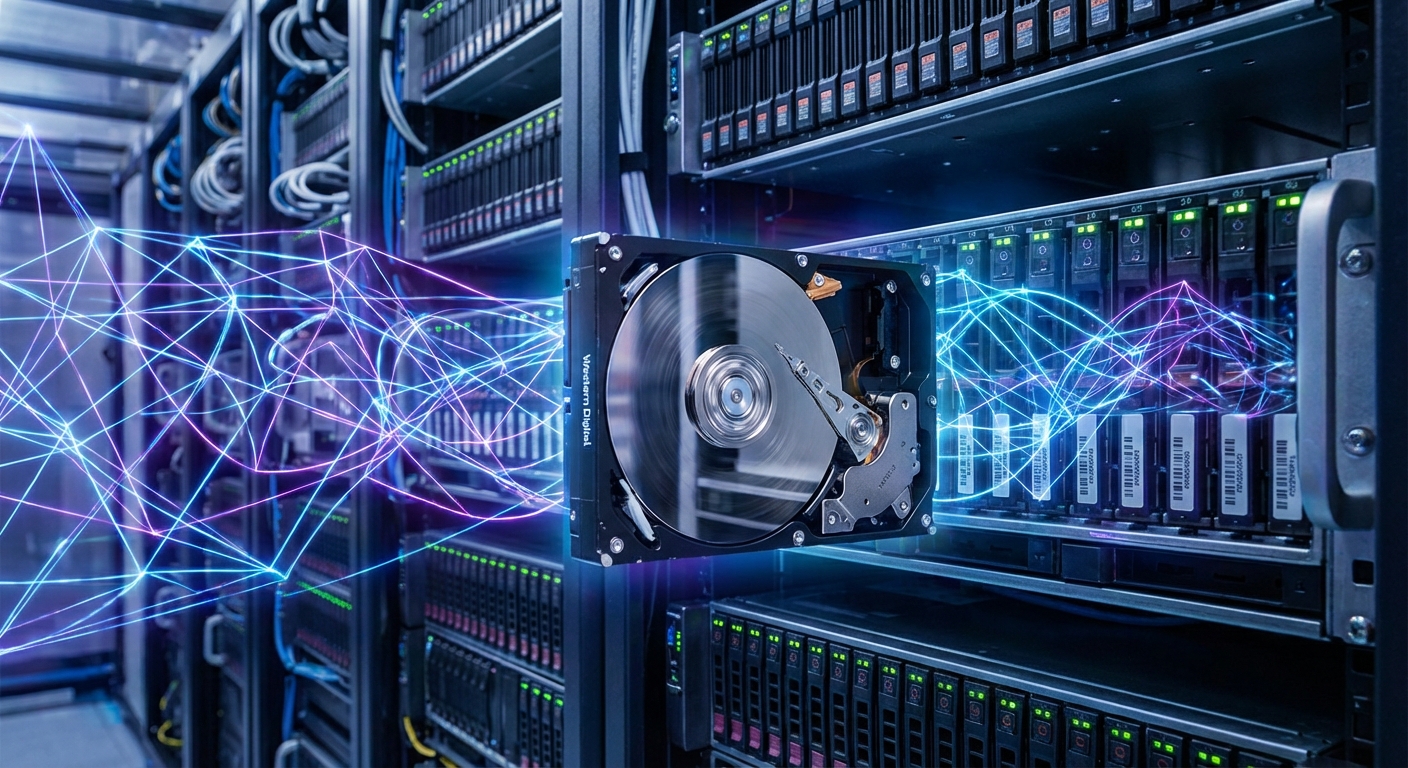

The development of AI data centers is fueling an unprecedented surge in demand not only for DRAM and NAND memory but also for traditional Hard Disk Drives (HDDs). Western Digital has confirmed that the demand for its HDDs has skyrocketed to the point where its production capacity is already fully committed. This resurgence highlights the critical role of high-capacity, cost-effective storage in the age of artificial intelligence, leading to significant market shifts and price increases.
Production Lines at Full Tilt
In a clear signal of the market’s intensity, Western Digital announced that its production capacity for the 2026 calendar year is almost entirely booked. The company has secured firm purchase orders from seven of its largest clients, underscoring the massive scale of data center build-outs worldwide. Furthermore, Western Digital has entered into long-term agreements (LTAs) with two of these clients for the 2027 calendar year and with one for 2028, indicating sustained, long-term demand. This situation is not unique to Western Digital; competitor Seagate has also reported that its capacity for 2026/27 is fully sold out and has chosen not to expand production.
Why AI Still Needs HDDs
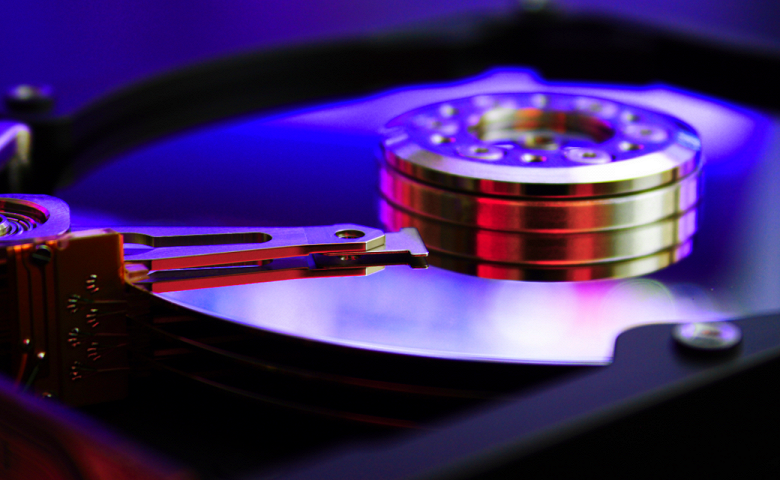
While high-speed SSDs are essential for the active training of AI models-so-called “hot data”-HDDs have become the backbone for storing the vast quantities of information that fuel these systems. AI requires enormous datasets for training and generates immense volumes of new data, from processed information to inference logs. For this “cold” or “nearline” storage, where data is accessed less frequently but must remain available, HDDs offer an unbeatable cost-per-terabyte advantage. Industry experts note that HDDs still account for 80% to 90% of total storage capacity in data centers due to their economic efficiency and reliability for large-scale data retention.
Market Impact: A Sharp Rise in Prices
This surge in demand has inevitably led to significant price hikes. Over the past several months, HDD prices have increased by an average of 46%, with some models seeing prices jump by as much as 66%. This trend is expected to continue as demand consistently outstrips the available supply. The price increases are affecting all major manufacturers, including Seagate and Toshiba, and are not limited to enterprise-grade hardware. Although consumer PCs have largely moved on from HDDs as primary drives, the rising cost of data center infrastructure ultimately affects consumers through the pricing of cloud services and other digital platforms.
A Glimpse into the Future
Looking ahead, the industry is focused on technological innovation to meet ever-growing capacity needs. Western Digital is developing 40TB drives for release in 2026 and has a roadmap extending to 100TB drives by 2029. Both Western Digital and Seagate are investing heavily in next-generation technologies like Heat-Assisted Magnetic Recording (HAMR) to push storage densities even further. While the price of SSDs is also falling, the cost gap between the two technologies is expected to persist, ensuring that HDDs remain a critical and economically viable component of the AI infrastructure for the foreseeable future. The current supply constraints and long-term agreements suggest that the era of cheap, readily available mass storage may be paused as the AI revolution continues to scale.