





The Core of Perception: Why Eyes Matter
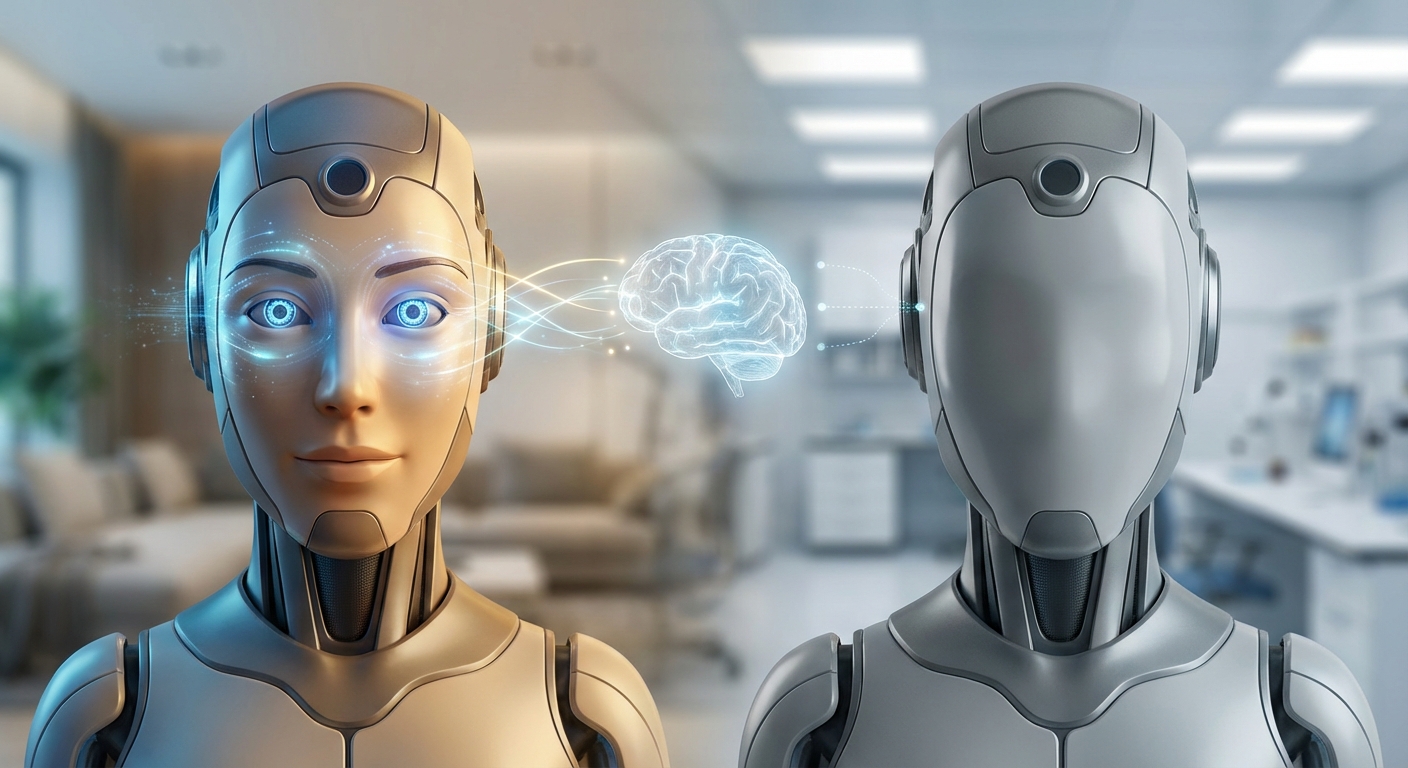
Scientists from Tampere University in Finland and the University of Bremen in Germany have found that the presence of eyes on humanoid robots significantly impacts how people perceive their “intelligence” and emotional capabilities. According to the study’s results, robots with eyes are considered more thoughtful, feeling, and socially significant than models without them. This research focused on mind perception-the human ability to attribute consciousness, emotions, and intentions to other beings or objects. In psychology, this process is typically divided into two components: agency (the ability to think, make decisions, and control behavior) and experience (the ability to have feelings). Previous studies have shown that people tend to ascribe mental qualities even to technical devices, such as service robots or voice assistants. However, not all humanoid machines have distinct “human” facial features, especially eyes.
Innovative Methods, Unambiguous Results
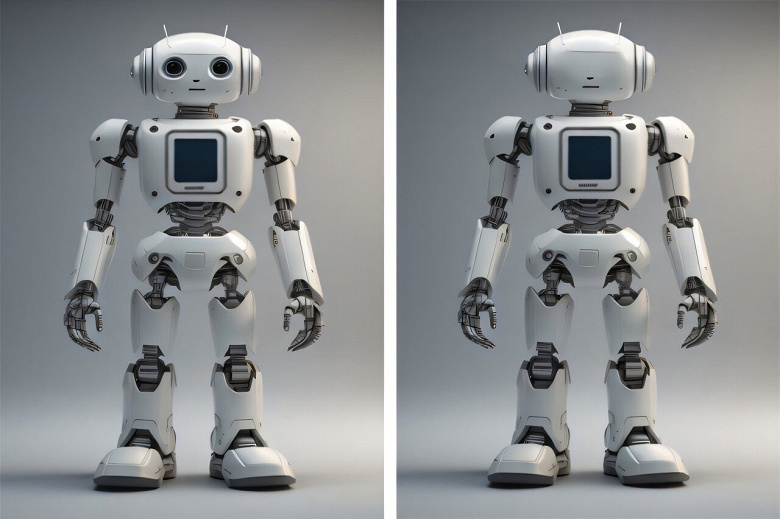
In the new study, researchers used artificial intelligence models to create a large set of realistic images of humanoid robots. Two versions were prepared for each sample-one with eyes and one without. These images were then shown to participants in two separate experiments. The results were unequivocal: regardless of whether the robot looked like a “child” or an “adult,” and whether the eyes were depicted on a screen or built into the facial structure, models with eyes were consistently perceived as more “intelligent” and “feeling.”
Crucially, the effect was evident not only in surveys where participants consciously rated the robots but also in an experiment that did not rely on direct self-reporting, such as an Implicit Association Test. This indicates that the presence of eyes influences perception at early, subconscious stages of information processing.
Implications for a Burgeoning Industry
The humanoid robot market is experiencing explosive growth, with projections suggesting the market size could grow from around $6.24 billion in 2026 to over $165 billion by 2034. As companies like Tesla with its Optimus robot and Boston Dynamics with its new electric Atlas push the boundaries of what’s possible, design choices are becoming critically important. These findings have direct practical significance for developers in this rapidly expanding field.
“Our study shows that eyes are not just a design element. They shape how people perceive the social and moral status of robots. And the perception of a ‘mind’ influences empathy, willingness to cooperate, and how ethically we treat technology,” noted the study’s lead, Professor Jari Hietanen.
With humanoid robots being increasingly used in service, healthcare, and education, their appearance can significantly affect the level of trust and interaction between humans and machines. The design choices made by industry leaders-from Tesla’s screen-based face for Optimus to the more abstract head of Figure 01-will be tested against these psychological principles in the real world.
A Look to the Future: Designing Social Partners
The authors of the study believe that the design of future robots must consider not only technical parameters but also the psychological mechanisms of perception. As human-robot interaction becomes a more integrated part of daily life, understanding these nuances is essential for creating technology that is not just functional but also socially acceptable and effective. Even a simple element like eyes can change people’s attitude towards machines-transforming them from soulless tools into social partners.