


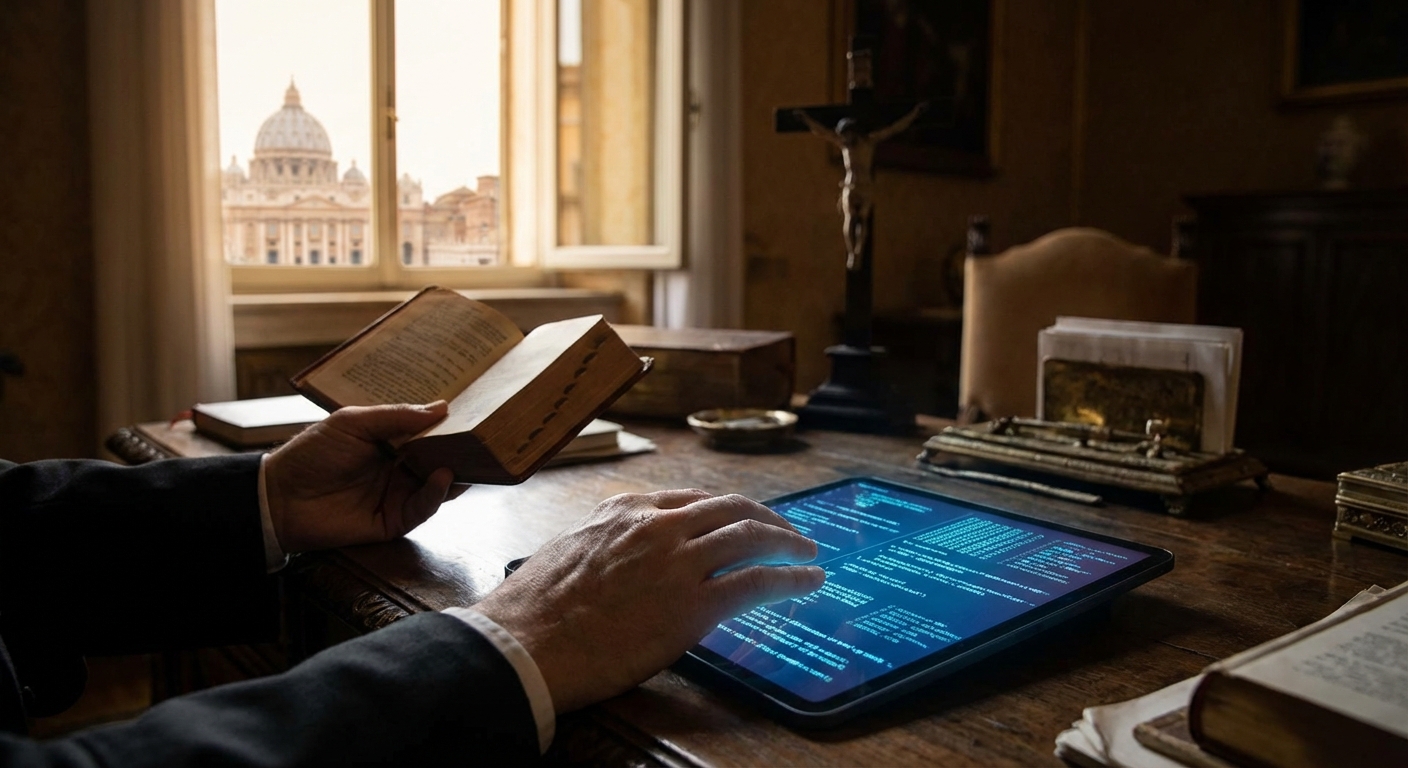

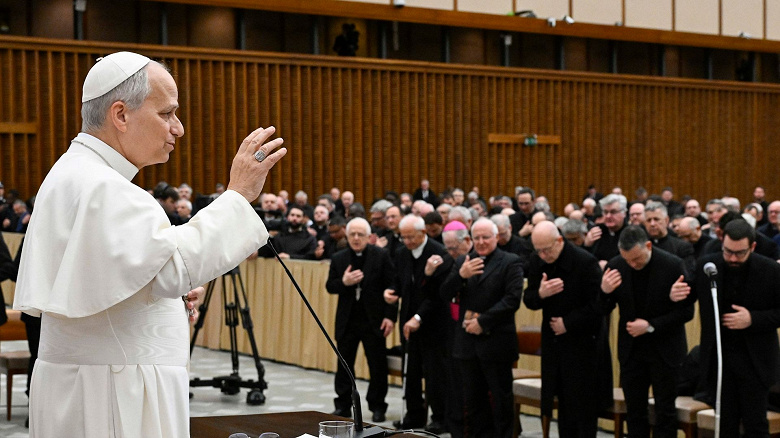
In a private meeting with priests of the Rome diocese on February 19, Pope Leo XIV urged the clergy to avoid using artificial intelligence for preparing sermons, calling instead for a deeper commitment to prayer and intra-church fraternity. This directive comes as the Vatican continues to navigate the complex ethical landscape of emerging technologies, reinforcing its stance that technology must serve, not replace, humanity.
The Core of the Message: Authenticity Over Automation
During the informal part of the meeting, Pope Leo XIV directly addressed the growing trend of using AI tools. According to an attendee, the pontiff strongly advised against it, emphasizing that a sermon’s power comes from genuine faith and human experience, something an algorithm cannot replicate. “Artificial intelligence can never share this faith,” the Pope reportedly stated, arguing that the primary goal of a sermon is to touch the human heart with a personal testimony of faith, not just to deliver a logically structured text. He used a simple analogy: just as muscles weaken without use, the brain and spirit atrophy if we outsource our thinking and reflection to machines.
A Consistent Stance on Algorithmic Ethics
The Pope’s recent comments are not an isolated event but part of a broader, long-term engagement by the Holy See with the challenges of artificial intelligence. Since his election in May 2025, Pope Leo XIV has identified the ethical questions surrounding AI as a major priority for his pontificate. This continues the Vatican’s established interest in the field, which includes the 2020 “Rome Call for AI Ethics,” a document promoting a framework for the ethical development of AI, which was supported by tech giants like Microsoft and IBM. The principles outlined then-that AI must be reliable, unbiased, transparent, and respect privacy-are reflected in the Pope’s current warnings. The Vatican has even established official guidelines for AI use within its territory, effective January 2025, which mandate that all AI-related activities must be human-centered and respect human dignity.
The Human Element as the Antidote
Beyond the specific warning about AI, the pontiff stressed the importance of the human dimension of the priesthood. He reminded the clergy that, despite personal weaknesses, they must set an example of brotherhood and mutual support. He linked continuous education and professional development directly to the strengthening of friendship and trust within the church community. This call to reinforce human bonds and spiritual depth can be seen as the Pope’s proposed antidote to the impersonal and potentially isolating nature of technology. Priests who attended the meeting praised the pontiff’s direct and practical guidance, with one noting, “It was a very concrete and sincere speech.”
The Future of Faith in a Digital Age
The Pope’s directive highlights a critical crossroads for religious institutions worldwide. While some clergy members already use AI for administrative tasks or as a research tool, the line is being drawn at core spiritual duties like preaching. The debate is ongoing in many faiths, with some developing their own AI models to provide answers aligned with their canons, while others warn against the technology becoming a substitute for genuine spiritual guidance. Pope Leo XIV’s message is clear: while technology can be a useful tool, it cannot possess or transmit faith. The future of ministry, in the Vatican’s view, depends on preserving the irreplaceable human connection at its heart, a connection rooted in prayer, shared experience, and authentic brotherhood.