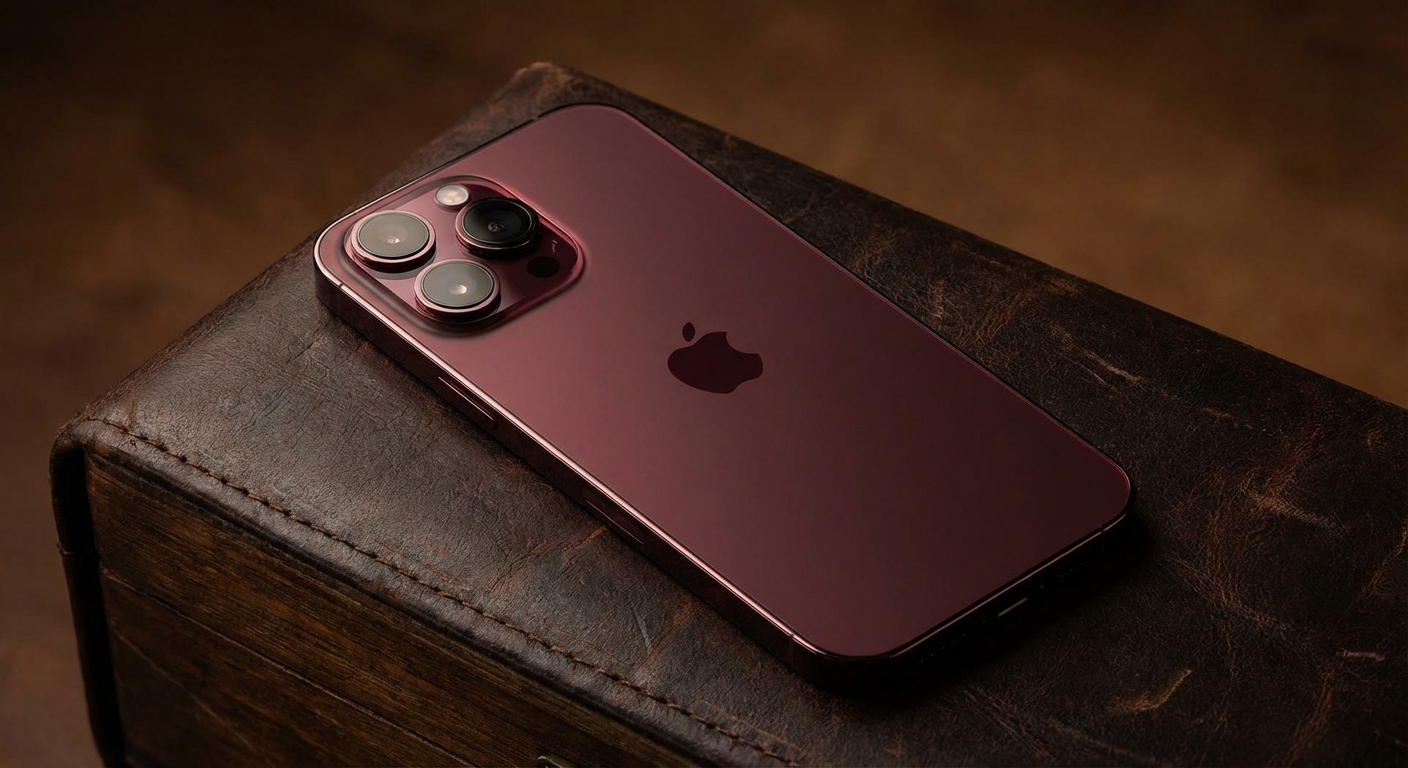

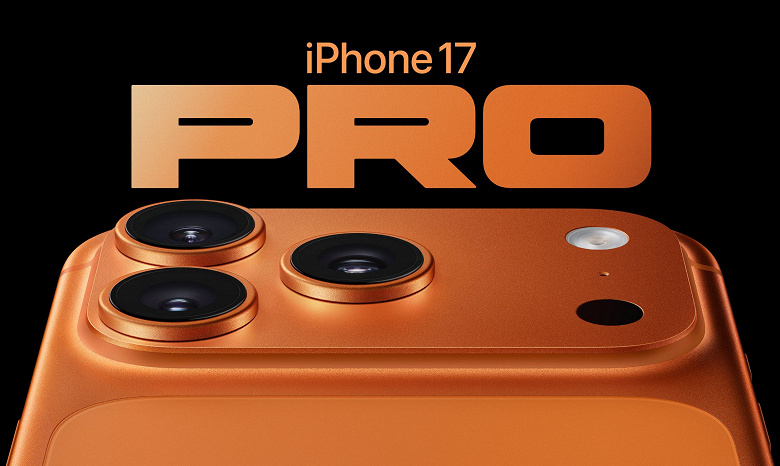
The iPhone 17 Pro Max has demonstrated an unusual dynamic in the resale market. According to a report from SellCell, just a few months after its retail launch, this model has topped the list of the most popular devices in independent trade-in programs. The 17 Pro Max accounted for 11.5% of all top-tier transactions on the secondary market, a figure that has more than doubled since last November.
Unprecedented Resale Behavior
The most remarkable finding of the study was the condition of the devices being traded in: 86% of the smartphones were rated as “new” or “in excellent condition.” This indicates that users are parting with the gadget on a massive scale almost immediately after purchase, without waiting for natural wear and tear or the release of the next generation. In terms of transaction volume, the new model has surpassed even mass-market leaders like the iPhone 15 Pro Max and iPhone 14 Pro Max.
A Stable Asset in Unstable Times
Experts note that the iPhone 17 Pro Max is holding its value significantly better than its predecessor. In the first 145 days since its release, the model lost only 25.4% of its value, whereas the iPhone 16 Pro Max depreciated by 32.5% over the same period. Currently, the average resale price for a used 17 Pro Max in perfect condition in the US is approximately $967.50.
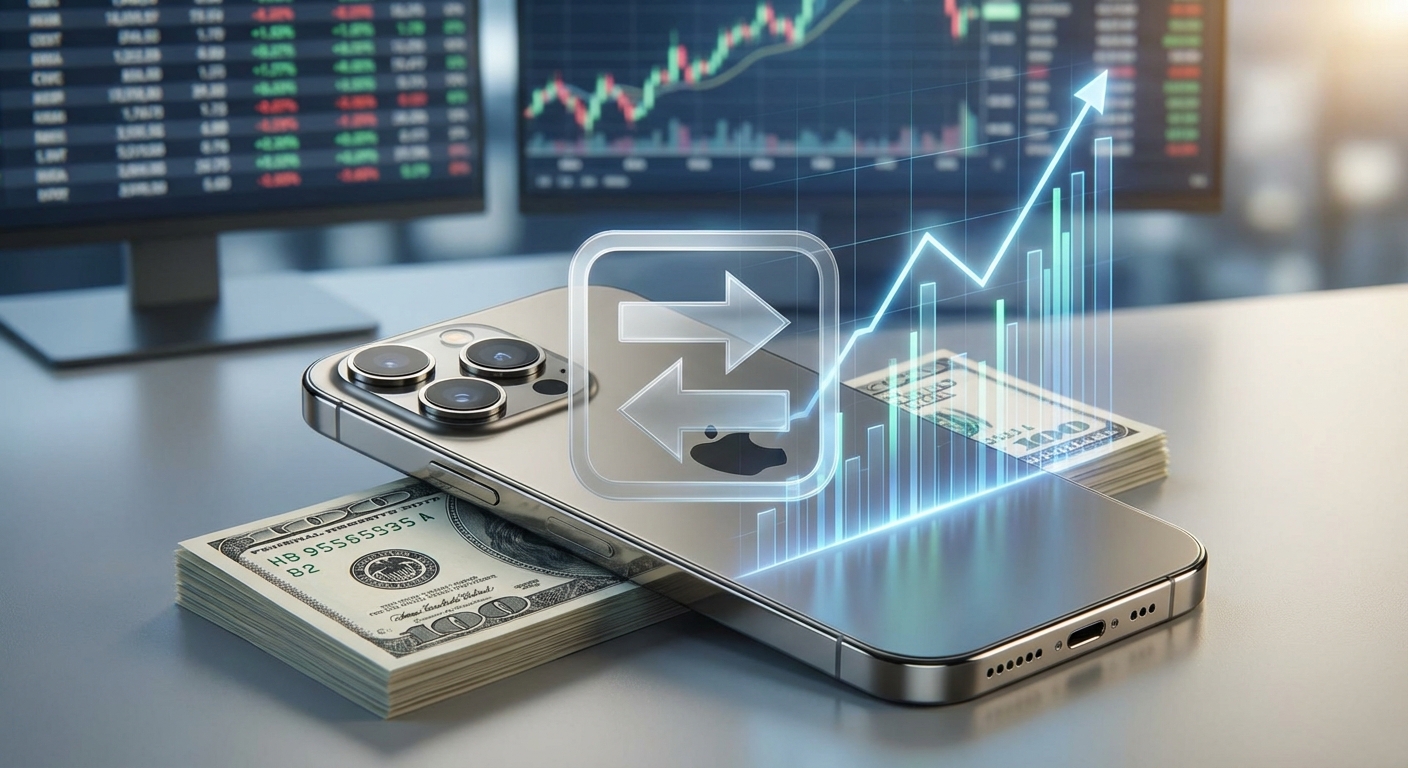
Analysts attribute this trade-in popularity not to disappointment with the product, but to broader economic factors. In an unstable economy, the high-tech flagship has effectively become a liquid short-term asset. Thanks to its high residual value, users are leveraging the iPhone 17 Pro Max as a quick way to obtain cash, selling it with minimal losses. This trend is far less common with competing Android flagships, such as the Samsung Galaxy or Google Pixel, which historically depreciate at a much faster rate.
Future Market Implications
This phenomenon transforms the new iPhone into a kind of “digital currency” that can be easily and profitably converted into cash at any moment. For Apple, this reinforces its brand’s premium status and the perceived value of its products. However, it could also signal underlying economic stress among its consumer base. For the industry, it highlights a growing trend where high-end electronics are viewed not just as utility devices, but as financial instruments. As we look toward future releases, this user behavior may influence both production strategies and the evolution of trade-in and secondary markets.