




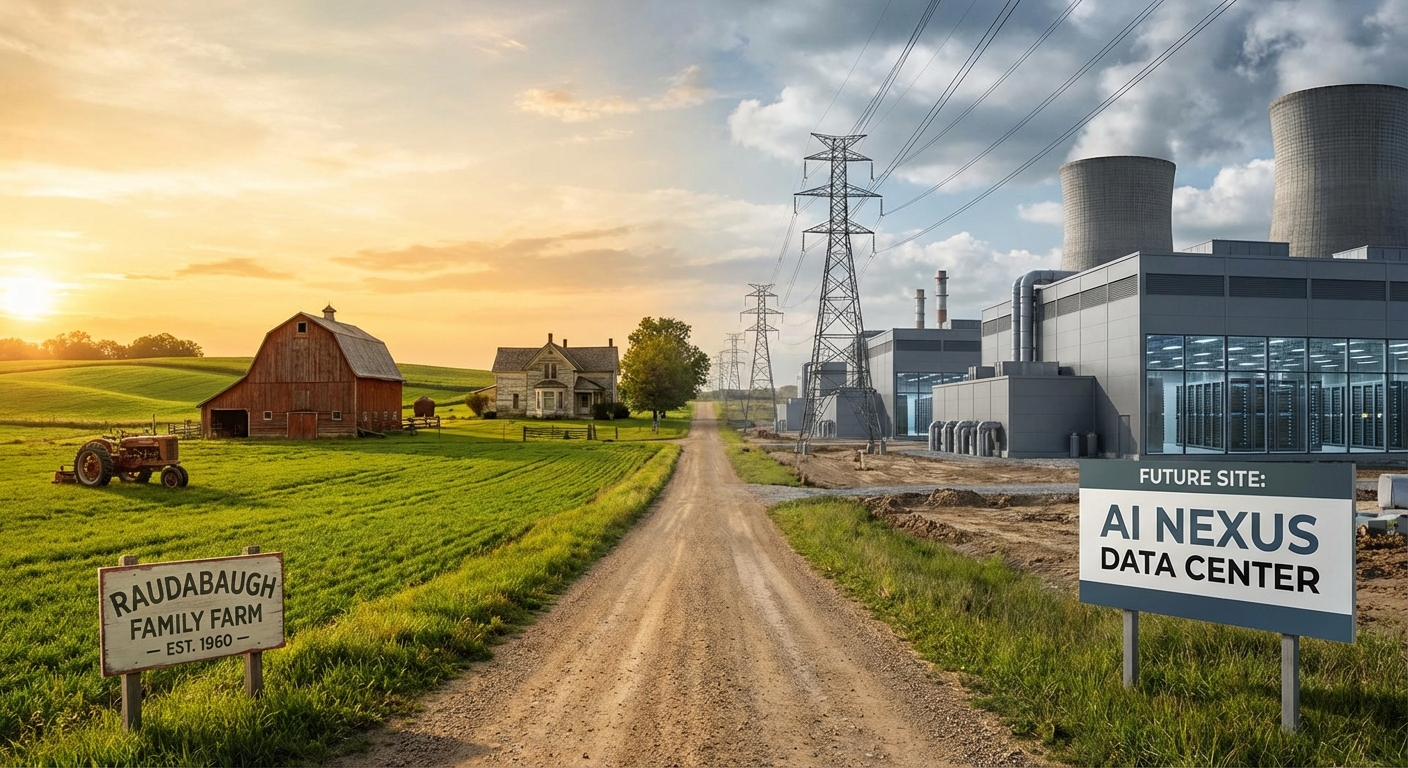

The rapid expansion of the artificial intelligence industry is fueling a construction boom for massive data centers across the United States. These facilities, essential for powering AI and cloud computing, require vast amounts of land and energy, creating a new conflict between technological progress and rural preservation. This clash is perfectly encapsulated by the decision of Mervin Raudabaugh, an 86-year-old farmer in Cumberland County, Pennsylvania, who recently turned down an offer of over $15 million to save his land from development.
A Farmer’s Stand
Mervin Raudabaugh, who has worked his land for over 60 years, was offered $60,000 per acre for three adjacent plots intended for a new data center. However, he chose his legacy over the multimillion-dollar payday. “I was not interested in destroying my farms,” Raudabaugh stated. “It’s not about the money. I just didn’t want to see those two farms gone.”
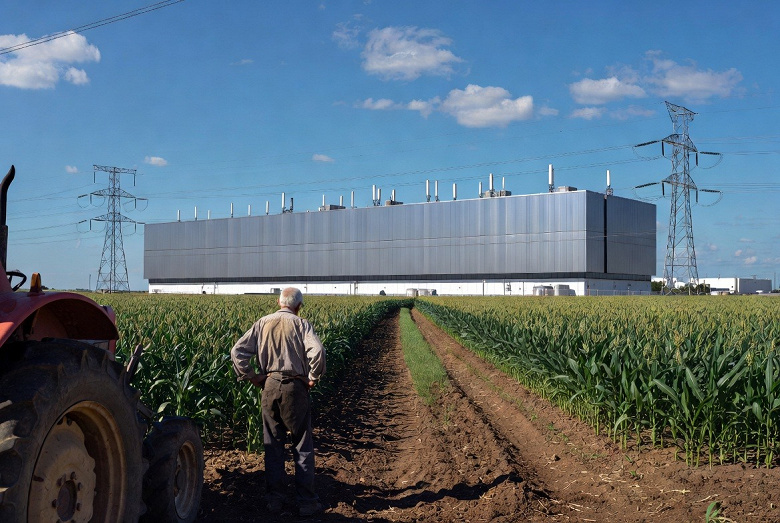
Instead of selling to developers, Raudabaugh sold the development rights to a conservation trust for just under $2 million in December, ensuring the land will remain agricultural indefinitely. His decision has been praised on social media, with many calling him a hero for prioritizing his heritage and the environment.
The New Land Rush: Data Centers Across America
Raudabaugh’s situation is not unique. The insatiable demand for data, driven by tech giants like Microsoft, Google, and Meta, has ignited a land rush in many states. In Mount Pleasant, Wisconsin, a planned data center is set to cover 600 acres. Another local farmer, 83-year-old Tom Uttech, faces the prospect of 300-foot-tall power lines being built across his 52-acre property to supply the new facility. The U.S. data center market was valued at over $54 billion in 2025 and is projected to more than double by 2034, fueled by the explosive growth of AI. This expansion is so rapid that spending on data center construction is one of the few segments growing in an otherwise slowing nonresidential construction market.
The Energy Dilemma and Community Pushback
The proliferation of data centers is placing an immense strain on local power grids and resources. In 2023, U.S. data centers consumed about 4.4% of the country’s total electricity, and some projections suggest this could rise to 12% by 2028. An AI-focused hyperscale data center can use as much power as 100,000 homes or more. This massive energy consumption is leading to rising electricity prices for local residents and sparking significant opposition. In response, several states, including New York, Georgia, and Vermont, are considering moratoriums on new data center construction to study their environmental and economic impact. Communities in Wisconsin and North Carolina have also organized protests, with some local governments passing temporary bans on new projects.
The Future of Data: A Balancing Act
As the conflict between land preservation and digital infrastructure intensifies, the industry is exploring alternatives. Suggestions include building data centers in more remote areas or even in space, though these options remain technically and financially challenging for now. Another emerging trend is the development of off-grid data centers with their own private power plants, often fueled by natural gas, to bypass strained public utilities. For farmers like Mervin Raudabaugh, the priority remains clear. “It breaks my heart to think of what’s going to take place here, because only the land that’s preserved here is going to be here,” he said. “The American farm family is definitely in trouble.” His decision highlights a growing national debate: what is the ultimate price of the AI revolution, and who will pay it?