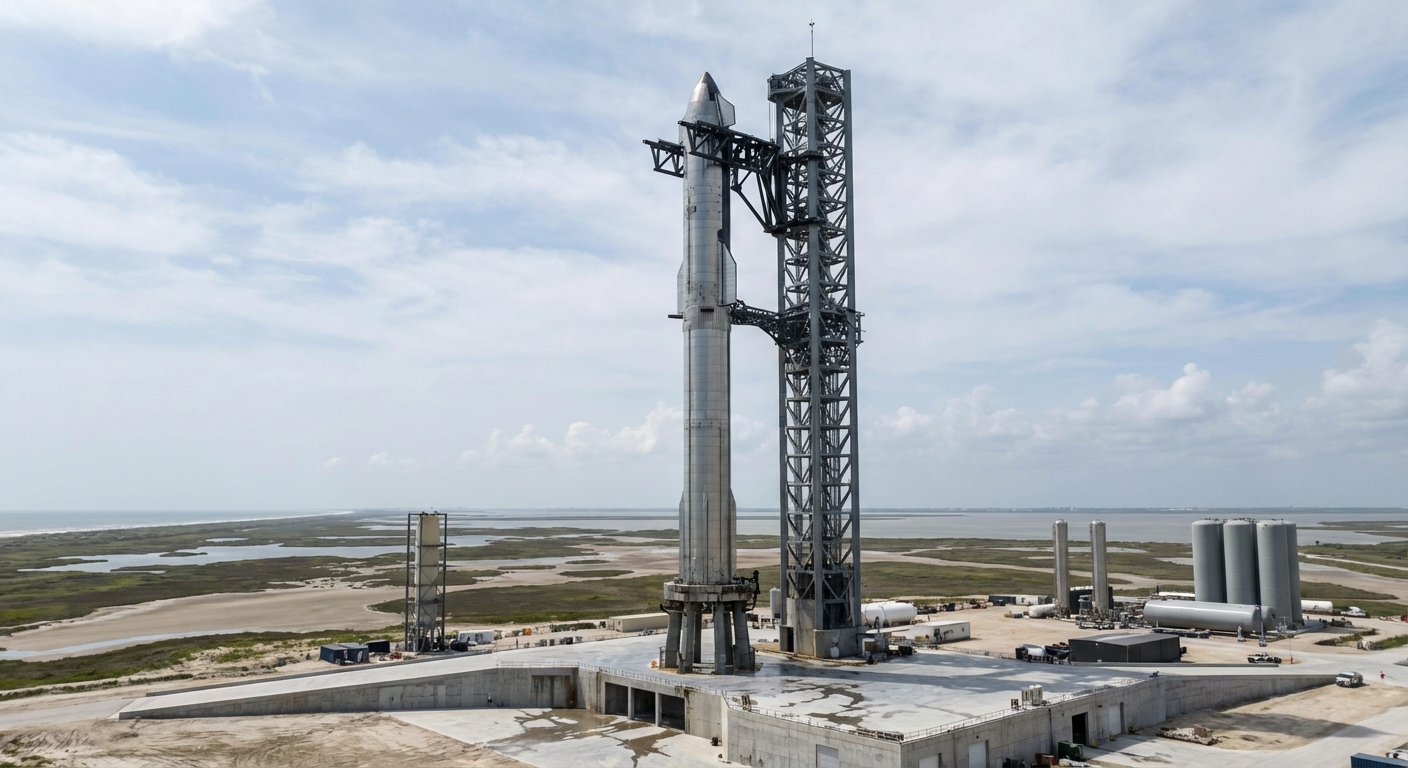




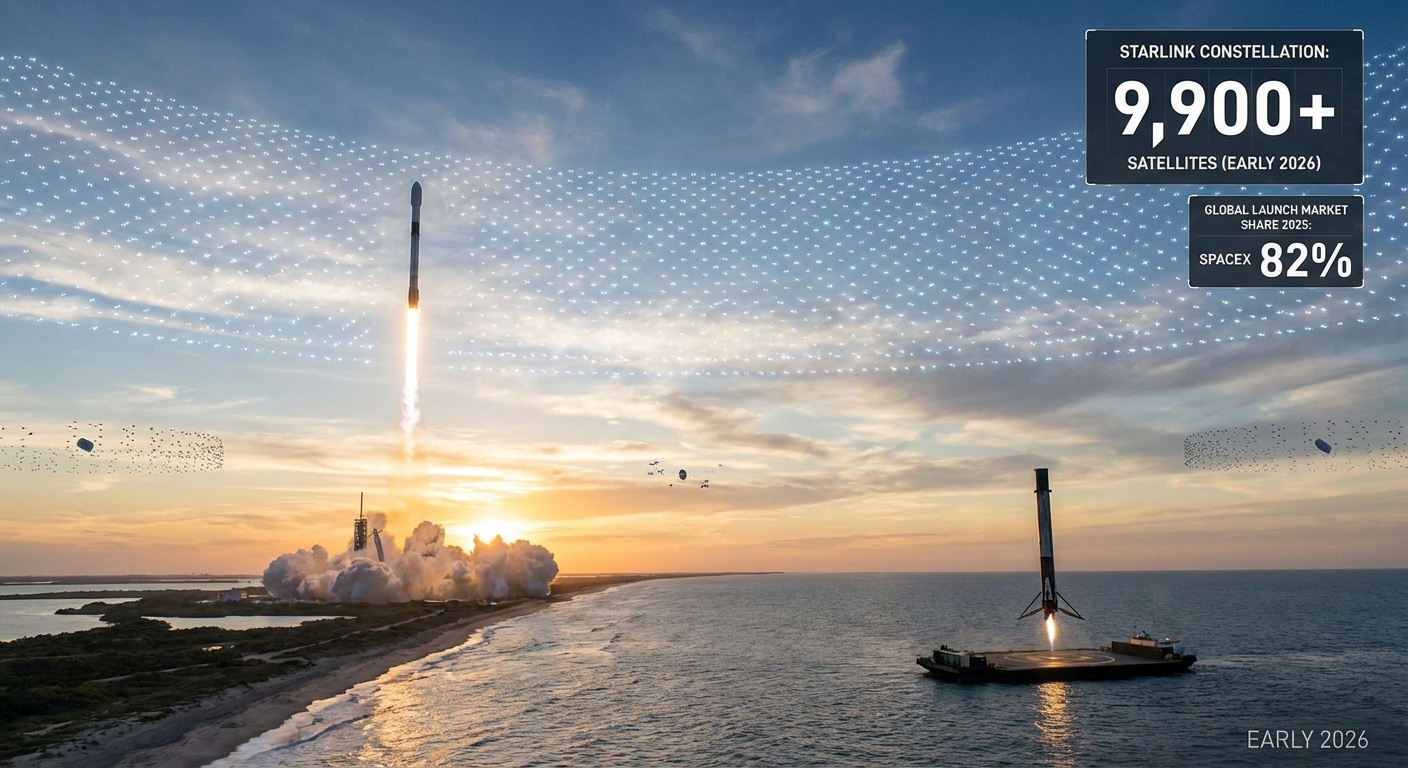

At the start of 2026, SpaceX is continuing its exceptionally high launch activity, further solidifying its dominance in the global launch market. In January and February, the company has already conducted numerous missions to expand its Starlink network, including several launches from both the East and West coasts of the United States. With hundreds of satellites already added to the low Earth orbit constellation this year, SpaceX is on track to surpass the 10,000-satellite mark for Starlink in the first half of March.
Unprecedented Launch Dominance
According to the latest data, only a few dozen orbital launches have been registered worldwide through mid-February 2026, the vast majority of which were Falcon 9 missions conducted by SpaceX. This continues a multi-year trend where SpaceX single-handedly performs more orbital launches than all other countries and companies combined. In 2025, the world saw a record 329 orbital launch attempts, with the United States leading at 181, largely due to SpaceX’s activities. The company’s share of the commercial launch market stood at 82% in 2025. This pace is sustained by the relentless schedule of Starlink missions, which constitute the majority of the Falcon rocket family’s manifest.
The Starlink Engine
The primary driver for this high cadence is the aggressive expansion of the Starlink satellite internet constellation. As of early 2026, the network consists of over 9,600 active satellites in orbit, providing high-speed internet to more than 10 million subscribers across 150 countries. The vertical integration of designing, manufacturing, and launching its own satellites allows SpaceX to deploy its network at a rate and cost that competitors cannot match. This strategy has not only fueled SpaceX’s launch statistics but has also made Starlink a significant source of revenue for the company.
The Competitive Landscape
While SpaceX leads by a significant margin, other players are attempting to carve out their share of the market. China has ramped up its launch activities, recording 92 attempts in 2025, driven by its state-run Guowang and commercial Qianfan constellation projects. In the commercial sector, key competitors include:
- Amazon’s Project Kuiper (rebranded to Amazon Leo): Set to begin commercial service in the first quarter of 2026, Amazon’s LEO constellation is considered the most direct competitor to Starlink, backed by a $10 billion investment.
- OneWeb (Eutelsat OneWeb): With a first-generation constellation of 648 satellites already complete, OneWeb focuses on enterprise and government clients, creating a hybrid network with its parent company’s geostationary satellites.
- Established Providers: Companies like Viasat and HughesNet operate geostationary satellites and compete on lower upfront costs, though with higher latency and lower speeds compared to LEO systems.
However, established launch providers like Arianespace and United Launch Alliance (ULA) performed only 7 and 6 launches respectively in 2025, highlighting the gap in launch capability.
A Look to the Future
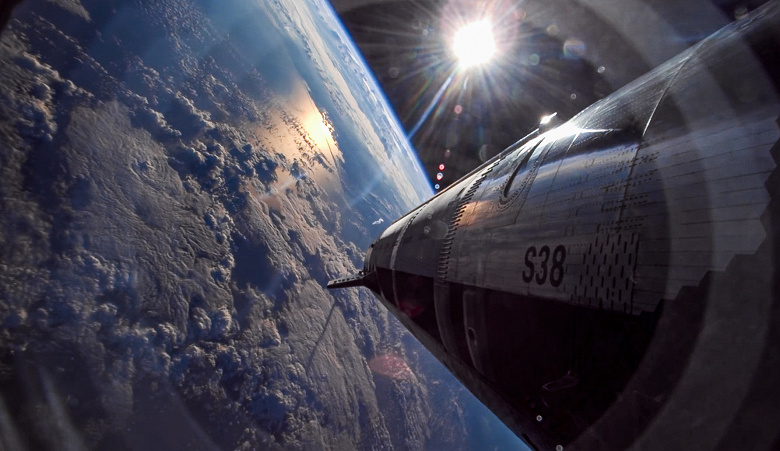
SpaceX’s dominance shows no signs of waning. The company’s strategy of reusable rocketry-with some Falcon 9 boosters having flown more than 30 times-is the cornerstone of its high-frequency, lower-cost launch model. Looking ahead, the industry anticipates the gradual transition of missions to SpaceX’s next-generation Starship vehicle, which promises even lower launch costs and greater payload capacity. As global launch capacity increases with new vehicles from Blue Origin, Rocket Lab, and others also coming online, 2026 is poised to be another record-breaking year for the space industry, with SpaceX continuing to lead the charge.