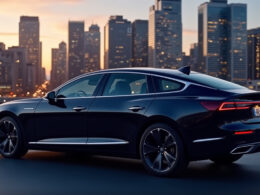


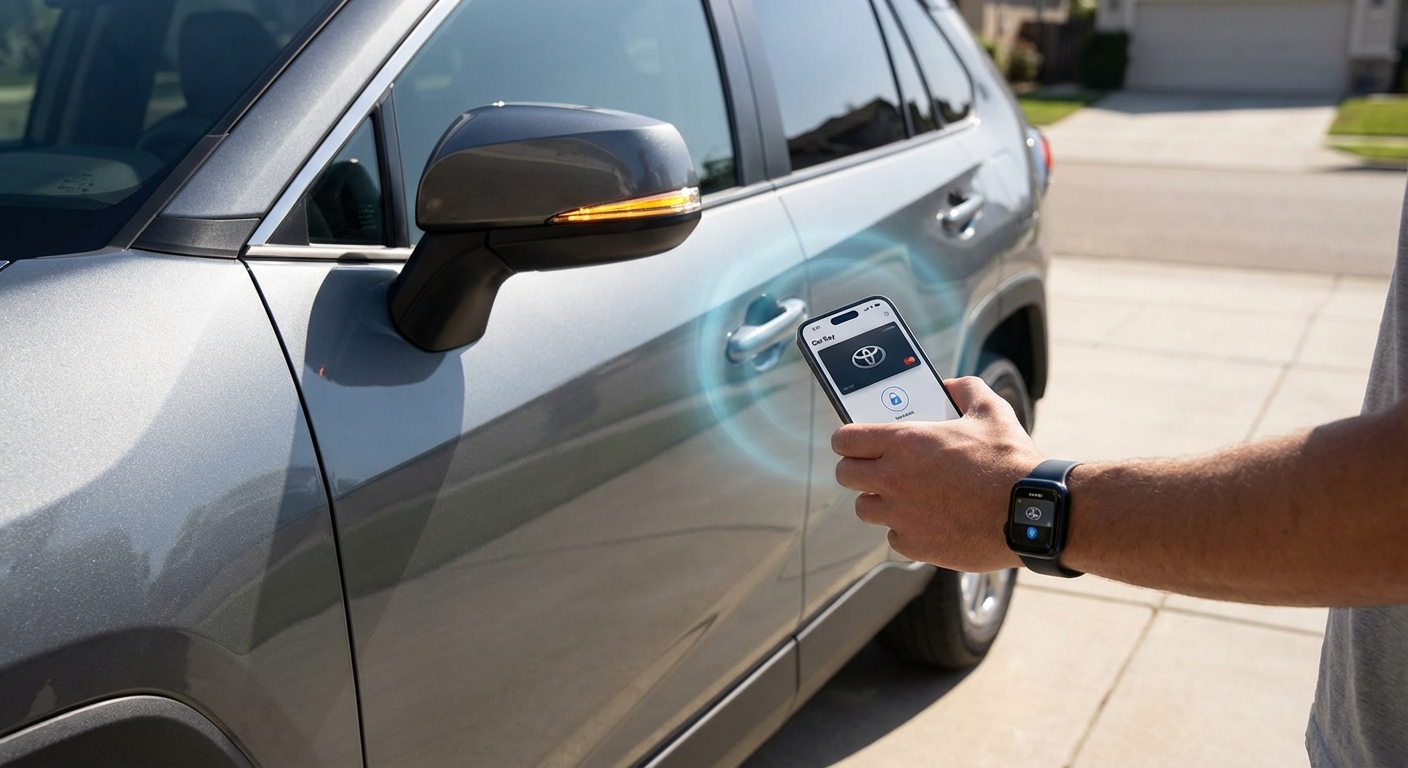

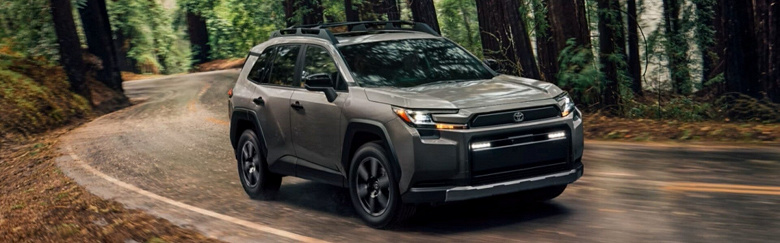
Since Apple introduced its digital car key feature in the Wallet app in 2020, the technology allowing users to lock, unlock, and start their vehicles with an iPhone or Apple Watch has seen steady adoption. Now, one of the world’s largest automakers is expanding its support for the feature. According to recent reports, select trims of the 2026 Toyota RAV4 in the United States will now support Apple’s Car Key, marking a significant step for the technology’s move into the mainstream market.
The Magic of Ultra-Wideband: How It Works
Toyota’s implementation leverages Ultra-Wideband (UWB) technology, which enables a seamless passive entry experience. Unlike earlier systems that used Near Field Communication (NFC) and required tapping the phone on the door handle, UWB allows drivers to keep their iPhone in their pocket or purse. The car detects the device’s precise location as the owner approaches, unlocking the doors automatically and allowing the engine to be started. This functionality requires an iPhone 11 or newer, or an Apple Watch Series 6 or newer. UWB offers enhanced security compared to older technologies like Bluetooth LE because its precise distance measurement capabilities make it highly resistant to relay attacks, where a signal is intercepted and relayed to trick the car.
A Growing Trend, But at a Cost
Toyota joins a growing list of automakers that already offer the feature, including Audi, BMW, Hyundai, Kia, Genesis, Mercedes-Benz, and Volvo. The inclusion by a mass-market leader like Toyota signals that digital keys are no longer a feature reserved for luxury vehicles. However, this convenience comes with a recurring cost. To use the Apple Car Key, Toyota owners will need a subscription to Toyota Remote Connect, which starts at $15 per month. While new vehicle purchases include a one-year free trial, this is part of a broader industry trend of moving vehicle features to subscription-based models.
The Broader Ecosystem Battle
The push for digital keys is part of a larger battle for control of the car’s digital ecosystem. Apple’s main competitor is Google, which offers a similar digital car key feature in Android’s ecosystem, supported by a wide range of manufacturers. Additionally, some automakers, like Tesla, have developed their own proprietary app-based key systems. The primary advantage of Apple’s and Google’s solutions is their native integration into the phone’s operating system, providing a smoother and more reliable experience than a third-party app.
The Future is Keyless
The expansion of Apple Car Key support to more mainstream vehicles like the RAV4 indicates that the physical car key’s days are numbered. This technology opens the door to new possibilities, such as securely sharing a digital key with family members or providing temporary access for a valet or mechanic directly through messaging apps. As the Car Connectivity Consortium (CCC) continues to standardize the technology, users can expect more seamless interoperability between different car and phone brands, further accelerating the shift toward a truly keyless automotive future.