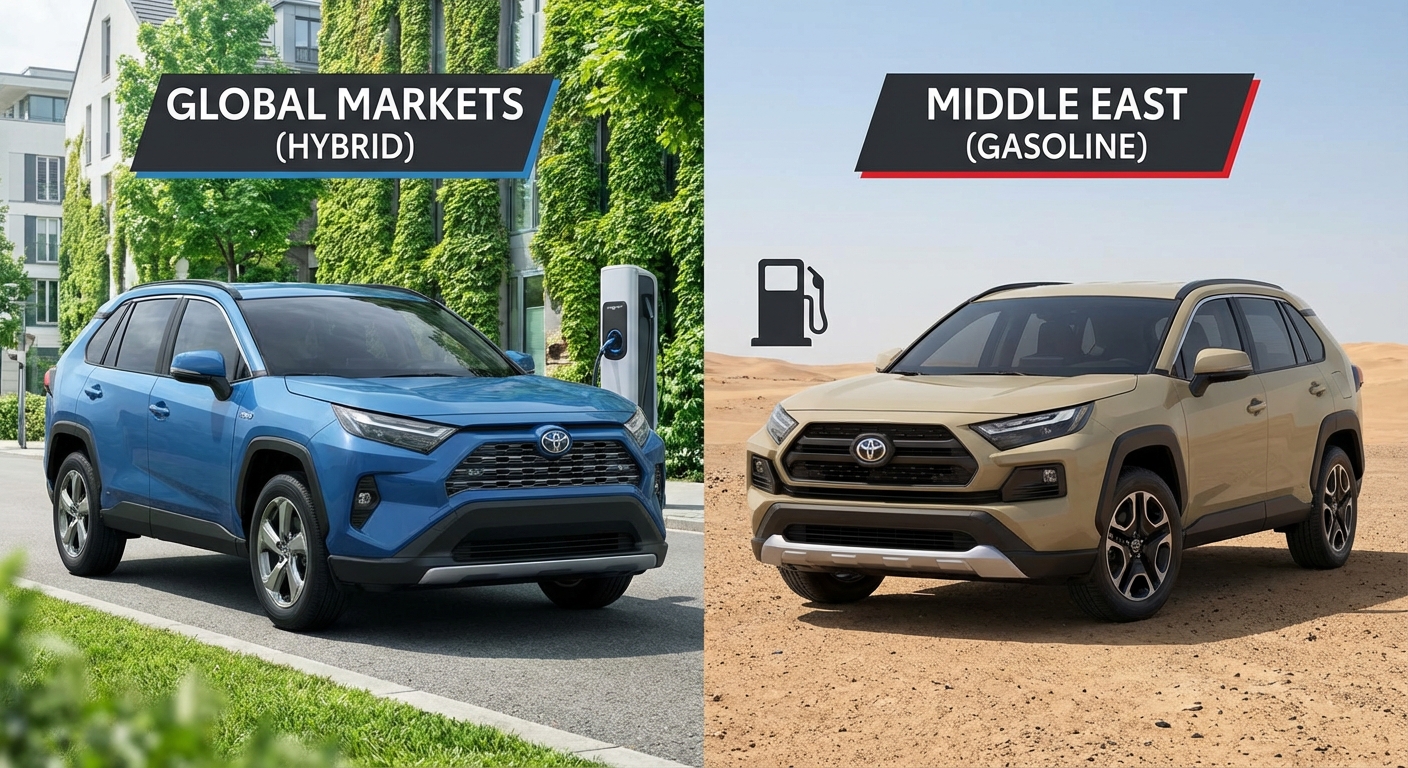

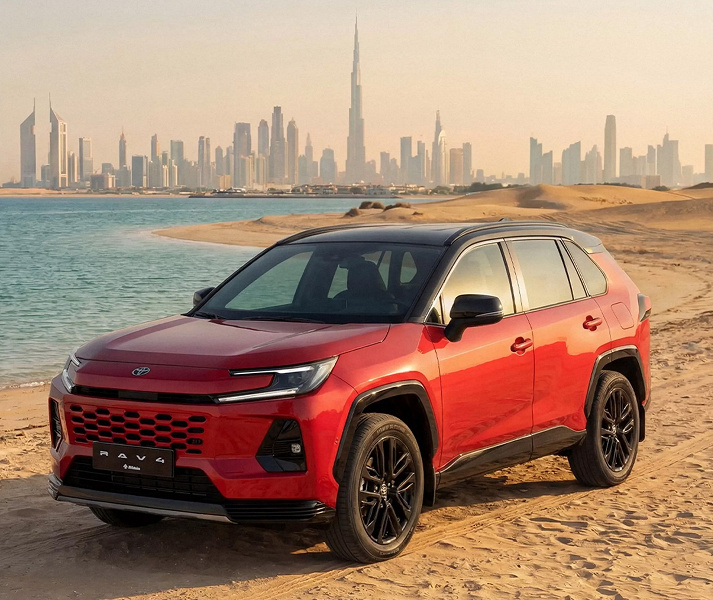
As the automotive world accelerates towards electrification, Toyota has positioned the all-new 2026 RAV4 (XA60) as a hybrid-exclusive model in key markets like the United States, Europe, and Japan. However, the company is taking a more tailored approach in the Middle East, where the popular SUV will retain a conventional internal combustion engine (ICE) option. This strategic divergence highlights the varied pace of powertrain transition across different global regions.
A Tale of Two Powertrains
For the Middle Eastern market, the 2026 RAV4 offers a familiar 2.0-liter naturally aspirated gasoline engine, producing 171 horsepower. This unit appears to be a direct carryover from the previous generation, providing a proven and cost-effective option for consumers in the region. This ICE version stands in contrast to the primary offering: a standard hybrid system built around a 2.5-liter engine, delivering a more robust 239 horsepower. Notably, while embracing the standard hybrid, the region will not receive the more powerful plug-in hybrid (PHEV) variant available elsewhere, a decision likely influenced by local market preferences and charging infrastructure maturity.
Unified Design and Technology
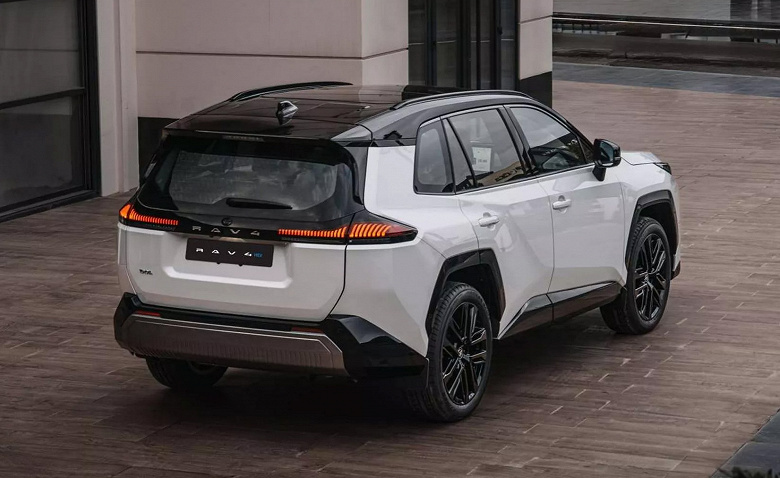
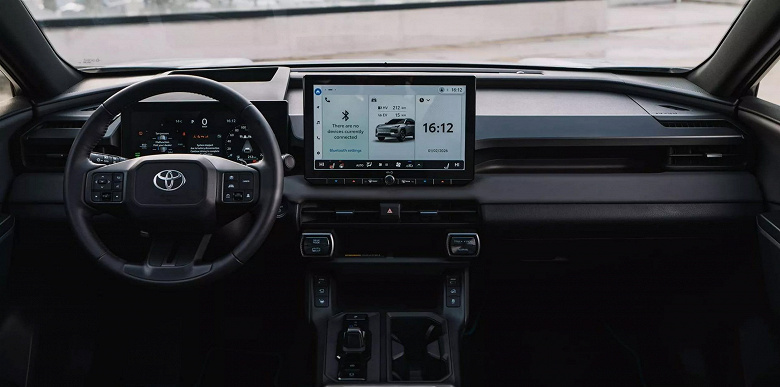
Despite the powertrain differences, the 2026 RAV4 for the Middle East maintains visual parity with its global counterparts. Buyers can choose from standard urban-focused trims as well as the more rugged Adventure version, which features a more aggressive off-road design. The cabin experience is also standardized, boasting a high-tech interior with a 12.3-inch digital instrument cluster and an infotainment system with either a 10.5-inch or a 12.9-inch screen, depending on the trim level. Premium options such as a head-up display, a panoramic roof with a power-operated sunshade, and wheels up to 20 inches in diameter are also available.
Market Positioning and Pricing
In the UAE, the pricing structure clearly reflects the different powertrain technologies. The gasoline-powered RAV4 is positioned as the entry point, with prices ranging from $28,800 to $33,700. The hybrid models command a premium, priced between $31,200 and $41,600. This strategy allows Toyota to cater to a broader customer base, from budget-conscious buyers who prefer traditional engines to those willing to invest more for the fuel efficiency and performance of a hybrid.
A Pragmatic Approach in a Shifting Landscape
Toyota’s decision to retain a gasoline-only RAV4 in the Middle East is a pragmatic acknowledgment of regional market dynamics, where factors like lower fuel prices and a developing EV infrastructure can temper the demand for electrified vehicles. While the global trend is undeniably moving towards hybrids and EVs, this tailored strategy allows Toyota to maintain a strong foothold against competitors like the Honda CR-V, Mazda CX-5, and Nissan X-Trail. By offering a choice, Toyota avoids alienating a significant portion of its customer base while still pushing its hybrid technology forward. This dual-pronged approach may serve as a transitional model for other automakers navigating a world that is electrifying at different speeds.