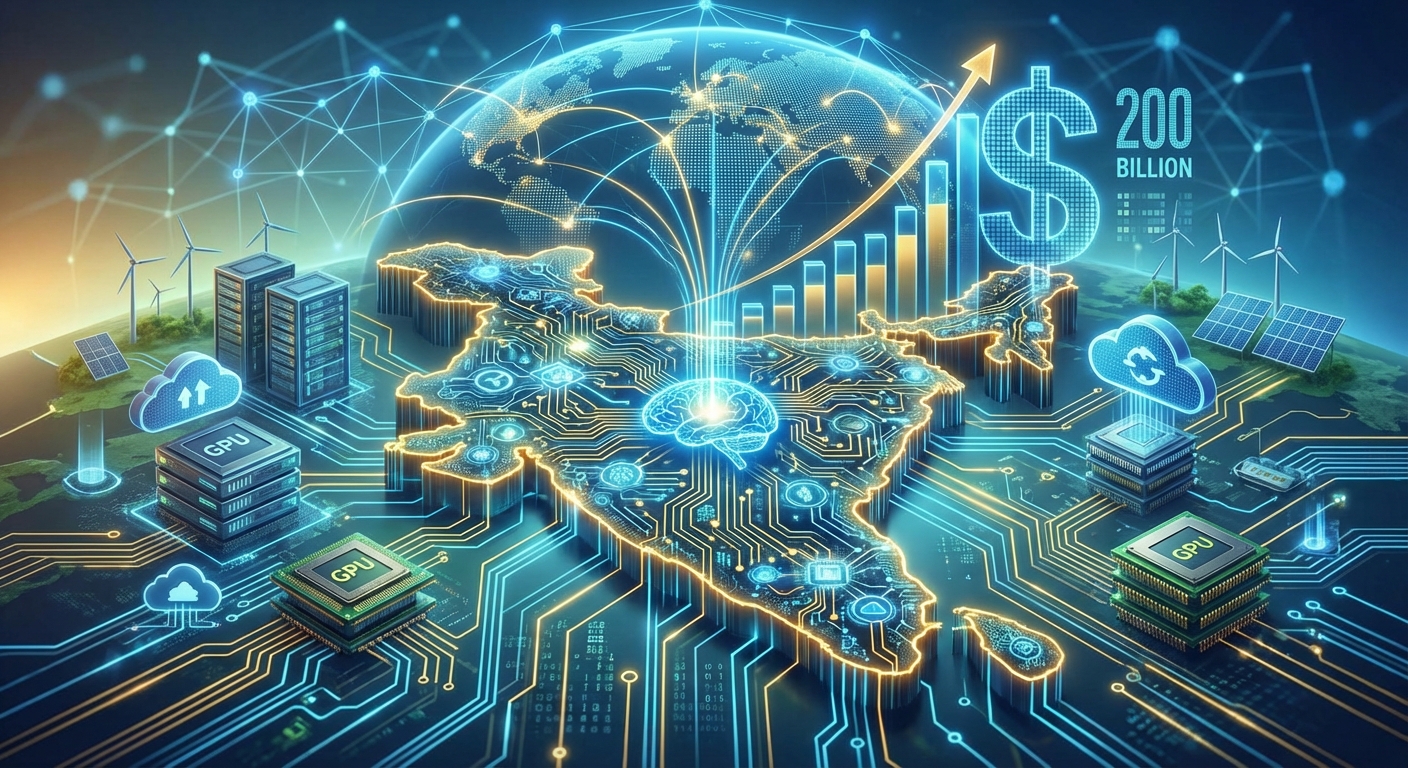

India’s Minister for Electronics and Information Technology, Ashwini Vaishnaw, has announced an ambitious plan to attract over $200 billion in investments for AI infrastructure over the next two years. The declaration was made at the AI Impact Summit in New Delhi, a government-backed event attended by top executives from OpenAI, Google, Anthropic, and other major technology firms. To secure these investments, the Indian government is rolling out a comprehensive suite of measures, including tax incentives, state-supported venture capital, and favorable policies, aiming to capture a significant portion of the global AI value chain.
Tech Giants Double Down on India
American technology giants have already signaled their confidence in India’s strategy. Companies like Amazon, Google, and Microsoft have collectively pledged around $70 billion to expand their AI and cloud infrastructure in the country. These commitments provide New Delhi with a strong foundation to pitch its unique combination of scale, cost advantages, and political incentives to attract the next wave of global AI computing investments. Vaishnaw noted that of the $200 billion target, $90 billion has already been committed, underscoring the significant momentum behind the initiative.
Fostering a Deep Tech Ecosystem
Beyond core infrastructure like data centers and chips, the government anticipates an additional $17 billion in investments flowing into deep tech and AI applications. This push is supported by several key policy decisions designed to make India a more attractive hub for AI development. These include long-term tax holidays for export-oriented cloud services and a 100 billion rupee (approximately $1.1 billion) government venture fund targeting high-risk, high-reward deep tech areas. Furthermore, earlier this month, New Delhi extended the period for which deep tech companies qualify as startups to 20 years and raised the income threshold for startup benefits to 3 billion rupees (about $33.08 million), providing a longer runway for innovation.
Expanding National Compute Power
A central pillar of this strategy is the IndiaAI Mission, which aims to significantly expand the nation’s shared computing capacity. Starting from a base of 38,000 GPUs, the program is set to add another 20,000 GPUs in the coming weeks, a move Vaishnaw described as the next phase of the country’s AI strategy. Looking ahead, the government is preparing a second phase of the AI Mission focused on research and development, innovation, and broader adoption of AI tools, alongside further expansion of computational resources.
Addressing a Sustainable Future
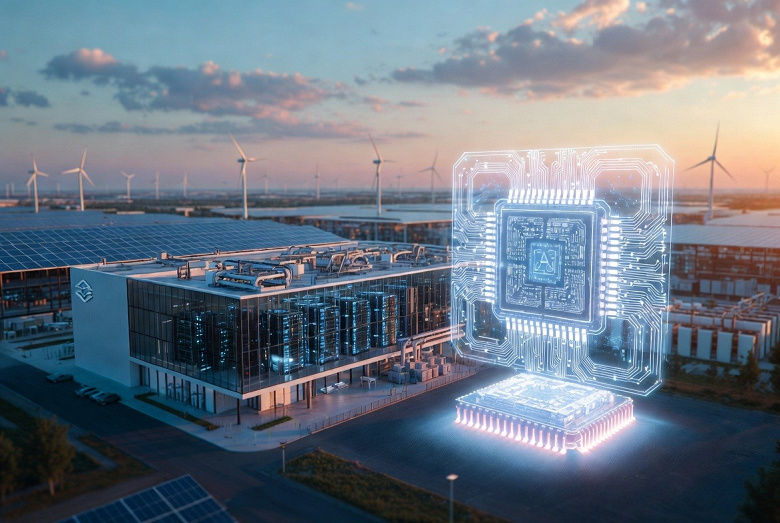
Minister Vaishnaw acknowledged the structural challenges ahead, particularly the access to reliable electricity and water required for energy-intensive data centers. He stated that the government is fully aware of the strain AI infrastructure will place on these resources. However, he also pointed to India’s energy mix as a key advantage, noting that over half of the country’s installed power generation capacity comes from clean energy sources, positioning it to support sustainable AI growth.