




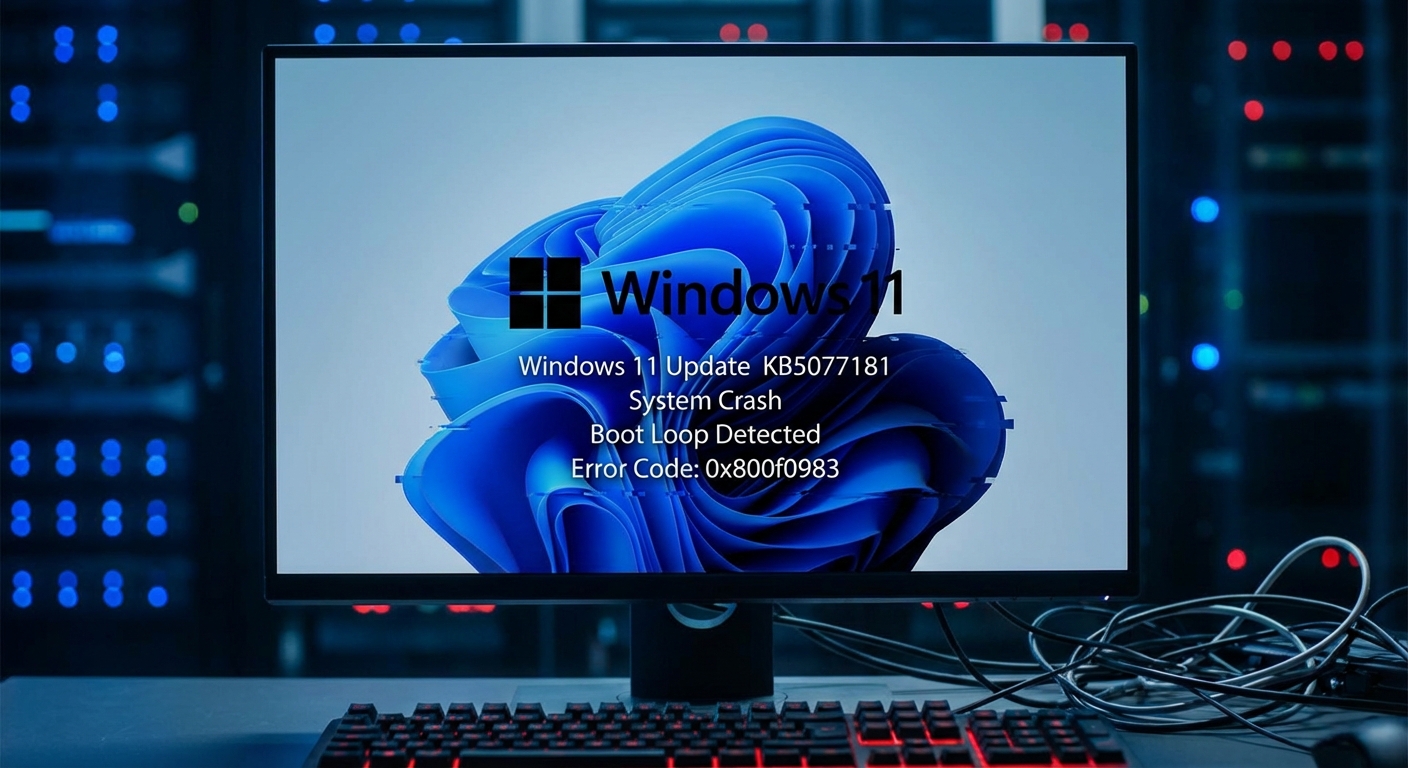

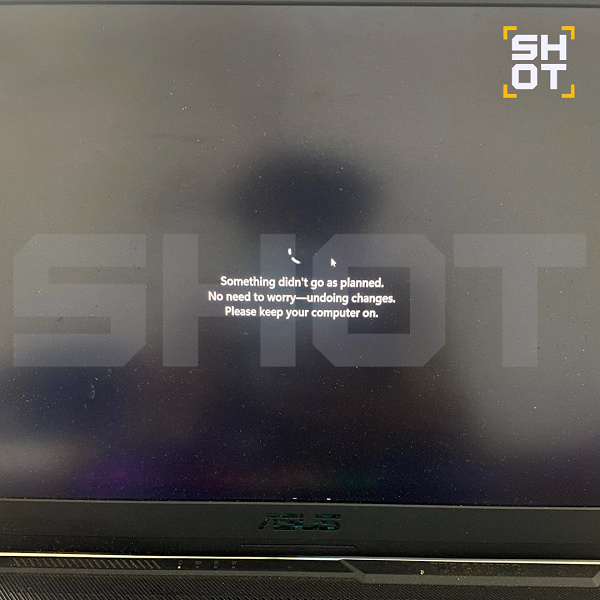
Windows 11 users are facing serious technical issues caused by the latest cumulative update, KB5077181, released as part of the February 2026 Patch Tuesday. After installing the update, many computers and laptops are entering infinite reboot loops, sometimes restarting up to 15 times, or getting stuck on a “black screen of death.”
What Went Wrong with Update KB5077181?
Beyond critical boot failures, users are reporting a range of other problems. For instance, the login screen often displays a System Event Notification Service (SENS) error, physically preventing users from accessing their personal accounts. Internet access issues are also widespread. According to reports, errors in the DHCP (Dynamic Host Configuration Protocol), which is responsible for automatically assigning IP addresses, are causing devices to show a Wi-Fi connection without any actual access to the network. Users on various forums, including iXBT.com and Reddit, are actively sharing their negative experiences with installation errors like 0x800f0983 and 0x800f0991.
Microsoft’s Response and How to Fix the Problem
While Microsoft’s official release page stated it was not aware of any issues, widespread user reports indicate significant problems. For those who have already encountered a boot loop or other critical failures, the recommended solution is to boot into the Windows Recovery Environment (WinRE) and uninstall KB5077181 manually. The main difficulty, however, lies in the aggressive nature of the update system. Even if a user successfully rolls back the system, Windows 11 often attempts to reinstall the faulty package automatically. The only reliable temporary solution is to manually pause all updates in the system settings.
A Look into the Future: The Fragility of the Windows Update Ecosystem
This incident once again raises questions about Microsoft’s update testing process. While this update was intended to patch 58 vulnerabilities, including several actively exploited zero-days, its rollout has caused significant disruption. With the vast diversity of hardware configurations worldwide, it is nearly impossible to foresee all potential conflicts. However, critical errors that lead to complete system failure erode user trust and damage productivity. In the long term, Microsoft must find a balance between the speed of releasing security patches and their stability to ensure that such situations do not become a regular headache for millions of users.